
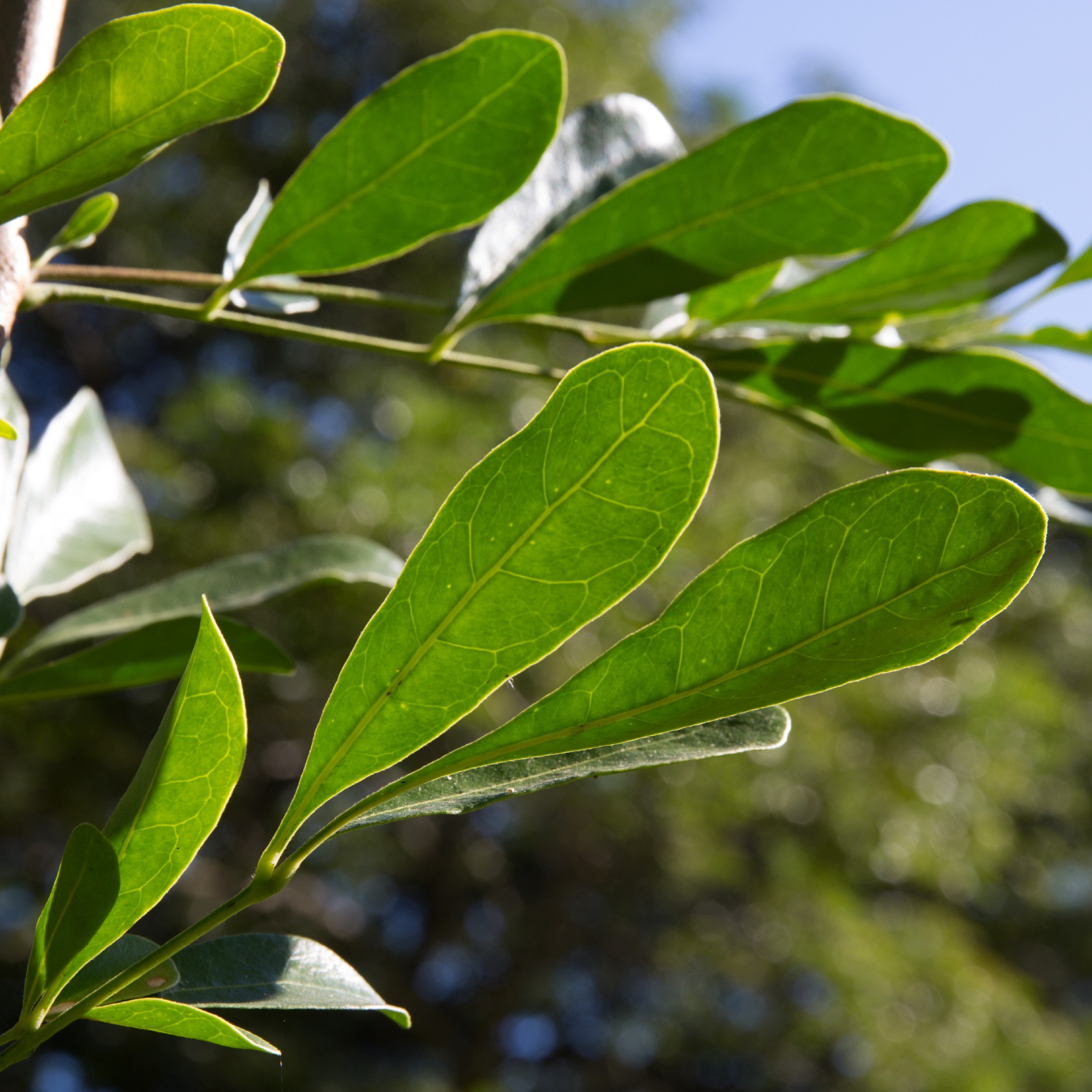
Trichilia havanensis
Uruca
Jacq., 1760
Added by
Anonymous Curator
Reviewed by
Under Review
Last modified by
Julia Trouin
TaxonomyBiological classification ranks placing this species within the tree of life, from Kingdom down to Genus.
Ecology & StatusHow this species lives: habitat preferences, diet, behavior, population status, and role in its ecosystem.
OriginWhether the species is native (evolved here), endemic (found only here), or introduced by human activity.
Native
Population TrendDirection of change in population size over time: increasing, stable, decreasing, or unknown.
Stable
Trophic RolePosition in the food chain: producer, herbivore, carnivore, omnivore, decomposer, or parasite.
--
Growth HabitPhysical form and structure of the plant: tree, shrub, herb, vine, epiphyte, aquatic, etc.
--
Leaf TypeLeaf characteristics: deciduous (seasonal shed), evergreen, simple, compound, needle-like, etc.
--
Flowering SeasonTime of year when this species typically reproduces or flowers.
--
Recent SightingsWhether this species has been observed in the wild in Costa Rica within recent years.
Yes
Habitat SummaryOverview of the specific ecosystems and environments where this species is found in Costa Rica. Multi-lang
It exhibits enormous ecological plasticity. It develops optimally in humid tropical forests, premontane forests, and transitional dry forests, typically from sea level to over 1,500 meters in elevation. It is a characteristic species of riparian zones (gallery forests along rivers and streams), forest edges, and early secondary regeneration areas. Due to its high tolerance to human disturbance and degraded or compacted soils, it thrives in agricultural settings such as living fences and coffee plantation boundaries, as well as in suburban gardens, sidewalks, and urban parks in the Greater Metropolitan Area.Light & Water NeedsSunlight intensity and moisture levels this plant needs to grow and reproduce successfully. Multi-lang
Information not available in English. Help us expand this record!BehaviourDaily activity patterns, movement, territory use, foraging style, and seasonal behavioral changes. Multi-lang
It is a tree that defines the seasonal phenology of the landscape. Flowering occurs massively and explosively mainly between the dry and transitional months from February to May. During this period, the discreet canopy flowers exude a pervasive, sweet odor that attracts buzzing swarms of hundreds of species of native bees, wasps, and butterflies actively seeking its nectar and pollen. Following flowering, the dense foliage offers shelter and nesting sites for small birds and insects. As the fruits mature towards the middle of the rainy season, the tree becomes a daytime foraging hub for forest avifauna.Toxicity / UsesToxic compounds present and their documented effects on humans or other organisms. Multi-lang
Information not available in English. Help us expand this record!Physical Measures
Length (cm)
300.0 - 1500.0 cm