
AnimaliaIUCN LCIn Progress Recent Sighting
Bolitoglossa subpalmata
Palmated Salamander
Boulenger, 1896
Detailed Texts Multi-lang
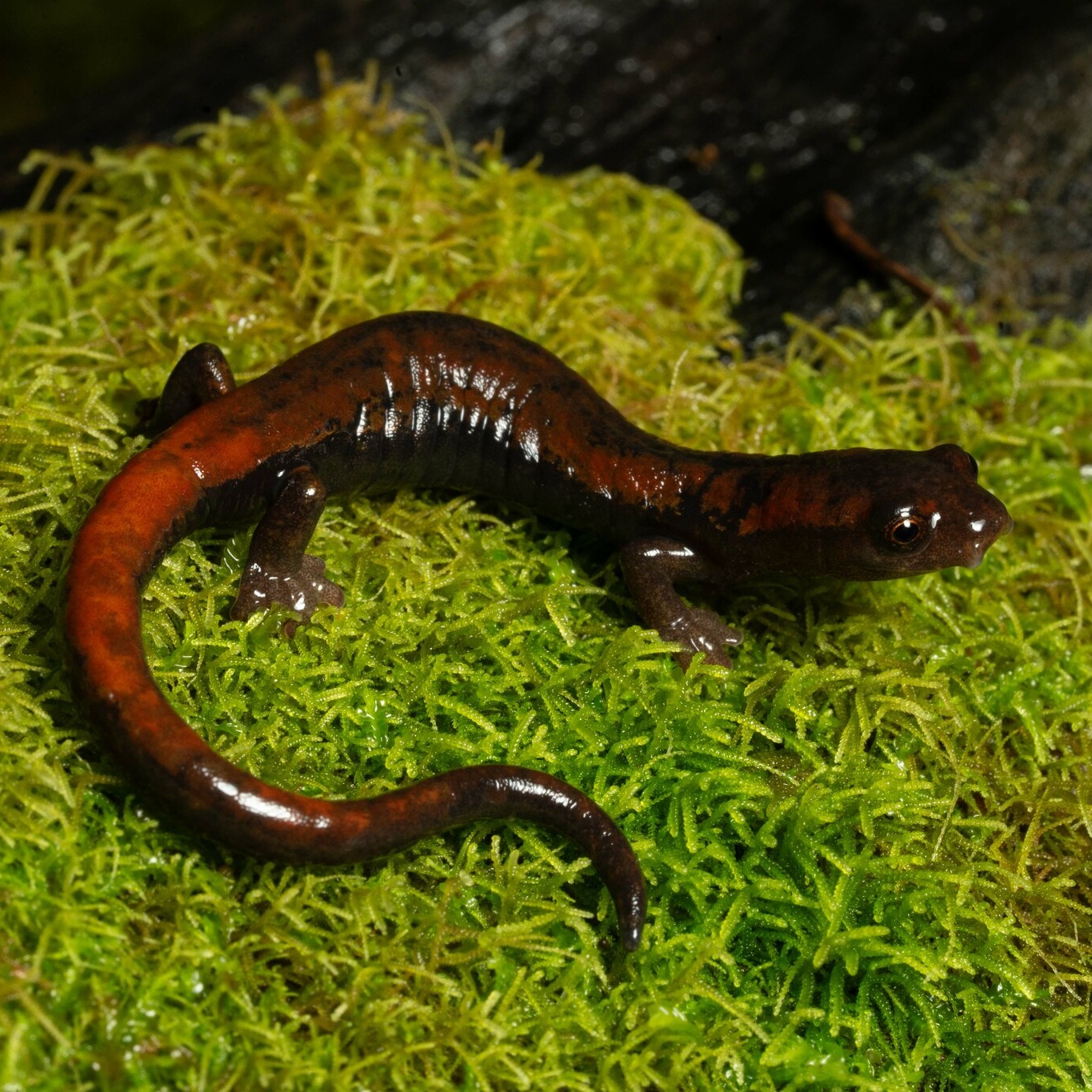
A small to medium-sized tailed amphibian with smooth, moist skin. Its most characteristic feature is the presence of partial interdigital membranes on the feet, which facilitate its movement in vegetation and moist substrates.
Added by
Anonymous Curator
Reviewed by
Under Review
Last modified by
Julia Trouin
Taxonomy
PhylumChordata
ClassAmphibia
OrderCaudata
FamilyPlethodontidae
GenusBolitoglossa
Taxonomic AuthorityBoulenger, 1896
Ecology & Status
Origin
Native
Population Trend
Stable
Breeding Season
Year Round
Trophic Role
Insectivore
Recent Sightings
Yes
Habitat Summary Multi-lang
Inhabits mainly high-elevation cloud forests, paramos, and subalpine zones. It is frequently found sheltered under fallen logs, moss, or inside bromeliads.Behaviour Multi-lang
Primarily nocturnal species. It moves stealthily through the soil and vegetation, avoiding desiccation through constant sheltering.Social Activity Multi-lang
Generally solitary. Social interactions are infrequent and are mainly limited to the reproductive period.Feeding Guild Multi-lang
Highly specialized ambush predator. Uses its protractile tongue to capture prey at high speed without needing to move.Trophic Chain Details Multi-lang
Insectivore; consumes a variety of small invertebrates, mainly mites, springtails, and small spiders present in the moss.Reproductive Behaviour Multi-lang
Oviparous species. Deposits eggs in clusters attached to protected substrates (such as the interior of bromeliads); direct development without tadpoles.Physical Measures
Length (cm)
4.0 - 7.5 cm
Weight (Grams)
1 g - 3 g
Offspring per cycle5 - 15
Sexual DimorphismYes
Lifespan
Sexual Maturity
1 - 2 Years
Gestation / Incubation
3 - 6
Lifespan Estimated
Males3 - 6 Years
Females3 - 6 Years
Sexual Dimorphism
Males Multi-lang
Males are usually thinner and have a slightly more swollen tail base due to the presence of specialized glands.
Females Multi-lang
Females have a more robust and voluminous body to house the eggs during internal development before laying.
Evolutionary Adaptations Multi-lang
Cold resistance: Possesses physiological adaptations that allow it to remain active at very low temperatures, typical of the Andean and Costa Rican paramos.
Main Threats Multi-lang
Climate change sensitivity: Rising global temperatures can reduce the area of its suitable habitat on volcanic summits.
Interesting Facts Multi-lang
Terrestrial reproduction: Like other plethodontid salamanders, it has no aquatic larval stage; juveniles hatch as miniature versions of the adults.