
AnimaliaIUCN LCIn Progress Recent Sighting
Iguana iguana
Green Iguana
Linnaeus, 1758
Detailed Texts Multi-lang
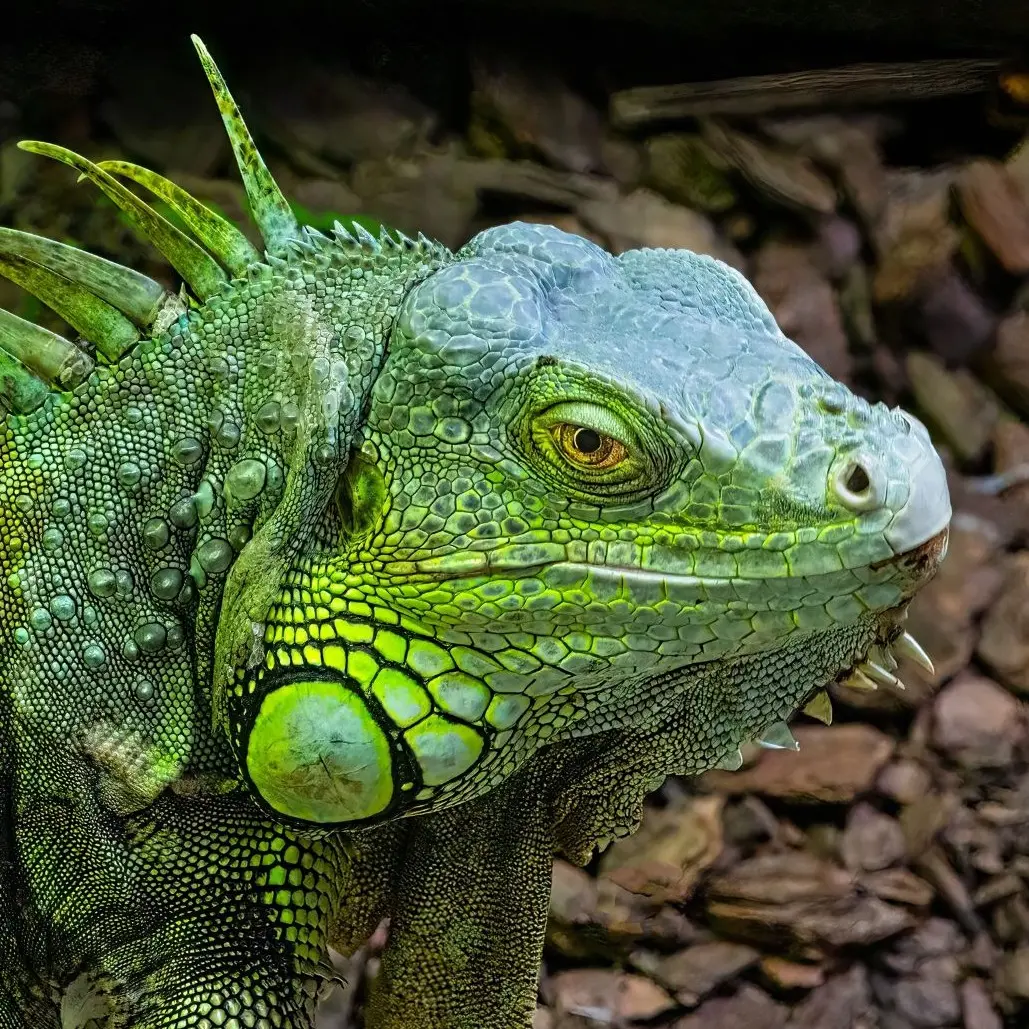
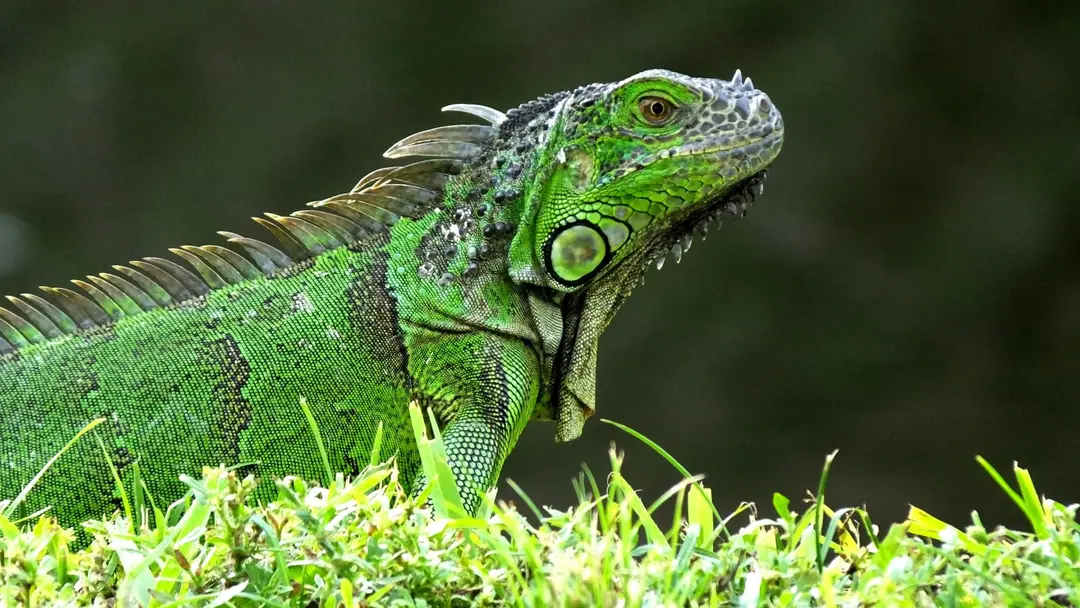
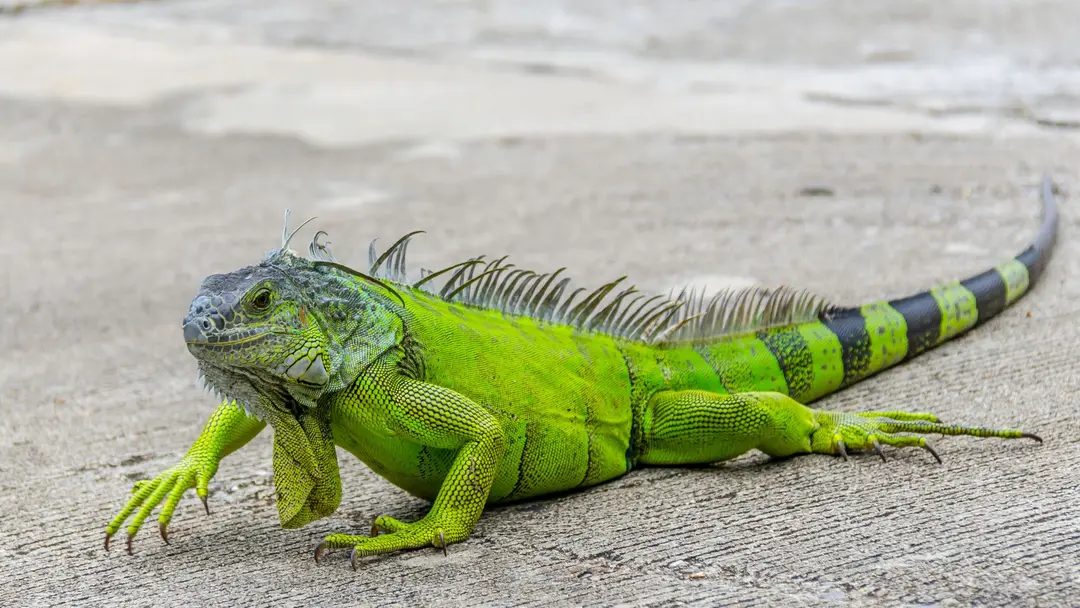
The green iguana is one of the largest lizards in tropical America. It has a crest of dermal spines and a large subtympanic scale.
Added by
Gerardo Venegas
Reviewed by
Under Review
Last modified by
Gerardo Venegas
Other Names (Global)
 Common green iguanaAmerican iguana
 Iguana verdeGarroboGallina de paloIguana común
Taxonomy
PhylumChordata
ClassReptilia
OrderSquamata
FamilyIguanidae
GenusIguana
Taxonomic AuthorityLinnaeus, 1758
Ecology & Status
Origin
Native
Population Trend
Decreasing
Breeding Season
Year Round
Trophic Role
Herbivore
Recent Sightings
Yes
Habitat Summary Multi-lang
Inhabits tropical ecosystems such as mangroves and gallery forests, always near bodies of water to take refuge.Behaviour Multi-lang
It is a diurnal and arboreal reptile that uses behavioral thermoregulation, spending hours in the sun to reach its optimal temperature.Social Activity Multi-lang
Lives solitarily, although juveniles may form temporary groups (crèches). Males defend territories during reproduction.Feeding Guild Multi-lang
Folivorous herbivore; it possesses symbiotic bacteria to ferment cellulose. Juveniles may occasionally consume insects.Trophic Chain Details Multi-lang
Primary consumer serving as prey for birds of prey, snakes, and medium carnivores. Contributes to seed dispersal.Reproductive Behaviour Multi-lang
Oviparous. Females undertake migrations to dig nests in sandy soils and deposit up to 71 eggs.Physical Measures
Length (cm)
30.0 - 200.0 cm
Weight (Grams)
1.50 kg - 8.00 kg
Offspring per cycle20 - 71
Sexual DimorphismYes
Lifespan
Sexual Maturity
18 - 36 Months
Gestation / Incubation
65 - 90
Lifespan Estimated
Males15 - 20 Years
Females15 - 20 Years
Sexual Dimorphism
Males Multi-lang
Adult males are significantly larger and more robust than females, with more developed crests and dewlaps.
Females Multi-lang
Females are generally smaller and often present less striking colorations and reduced crests.
Evolutionary Adaptations Multi-lang
Caudal autotomy: it can shed its tail to distract predators.
Parietal eye: detects light changes and movement from above.
Exceptional swimming ability: swims with lateral tail movements.
Main Threats Multi-lang
Illegal hunting and human consumption of adults and eggs.
Loss of riparian habitat due to deforestation of riparian zones.
Illegal trafficking for the international pet trade.
Interesting Facts Multi-lang
Known in Central America as 'chicken of the trees' because of its meat flavor.
Juveniles form groups called crèches for mutual protection.
Image Gallery
External References
- [https://www.iucnredlist.org/species/174302/1414031](https://www.iucnredlist.org/species/174302/1414031)