AnimaliaIUCN LCIn Progress Recent Sighting
Coragyps atratus
Black vulture
(Bechstein, 1793)
Detailed Texts Multi-lang
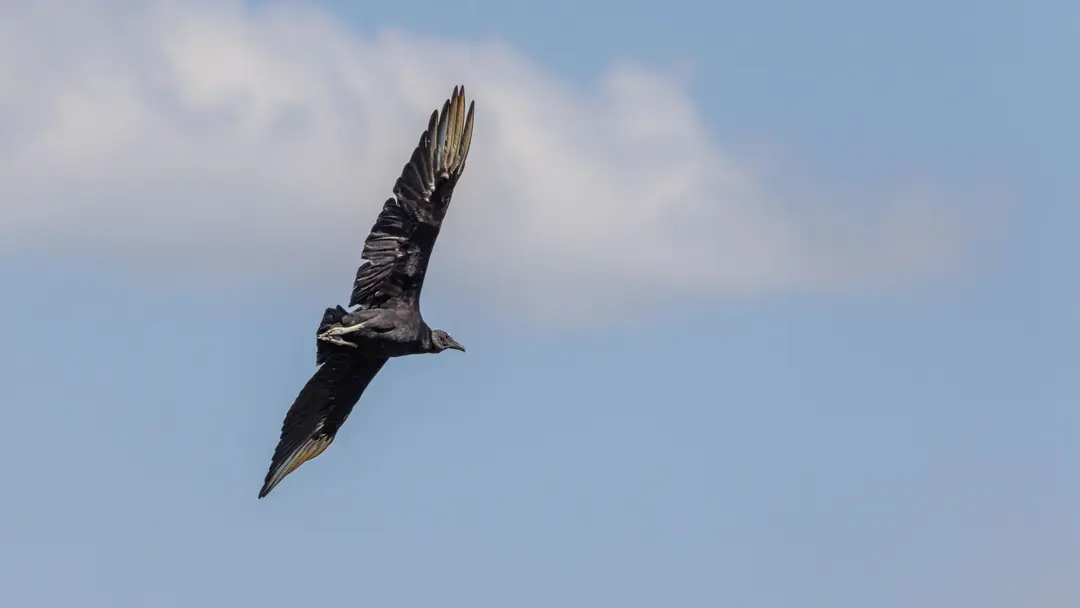
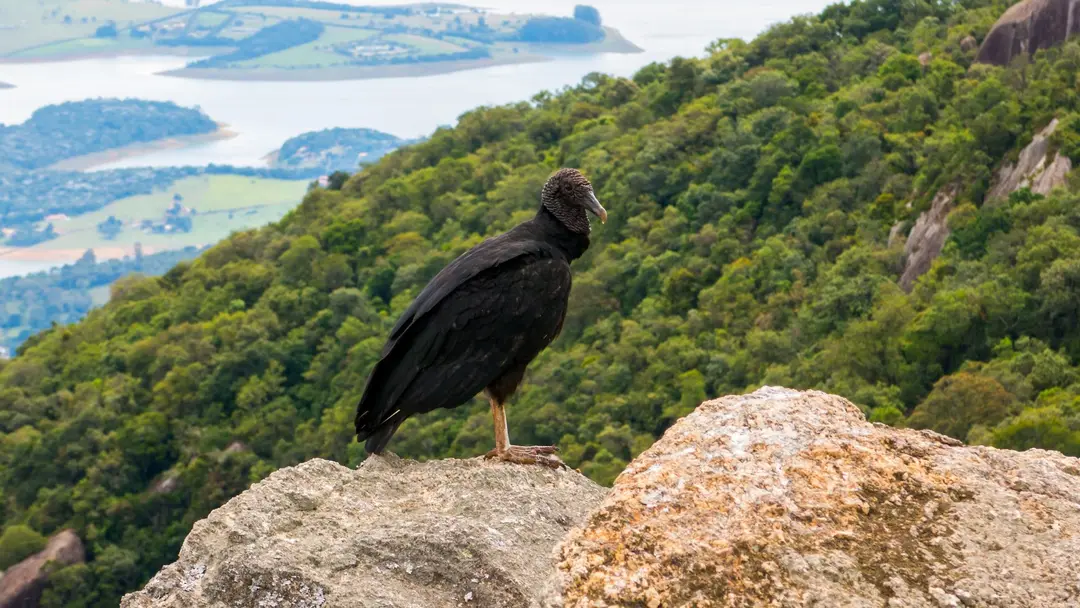
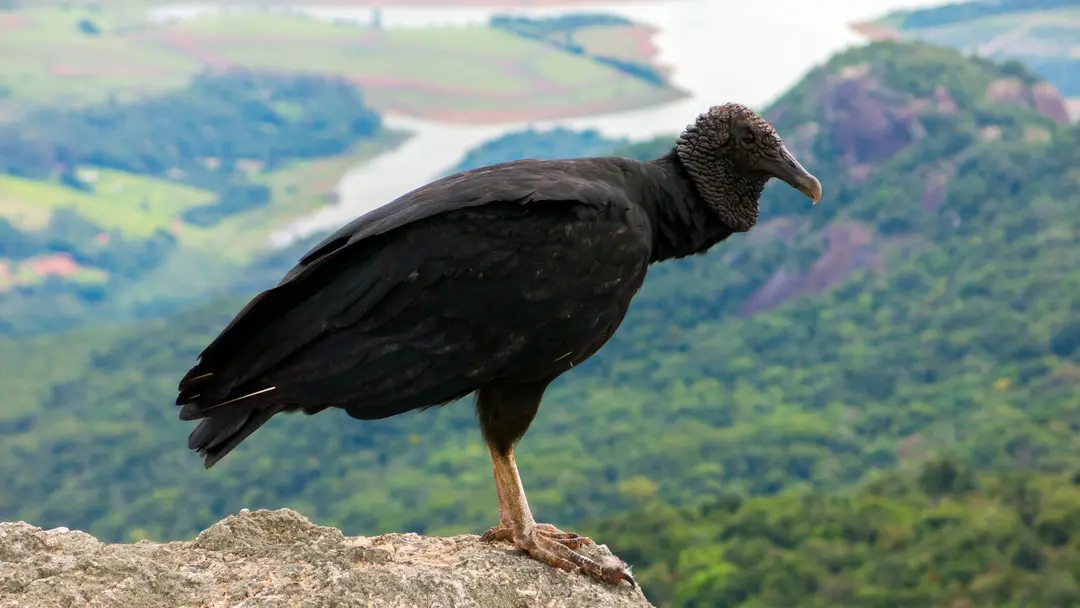
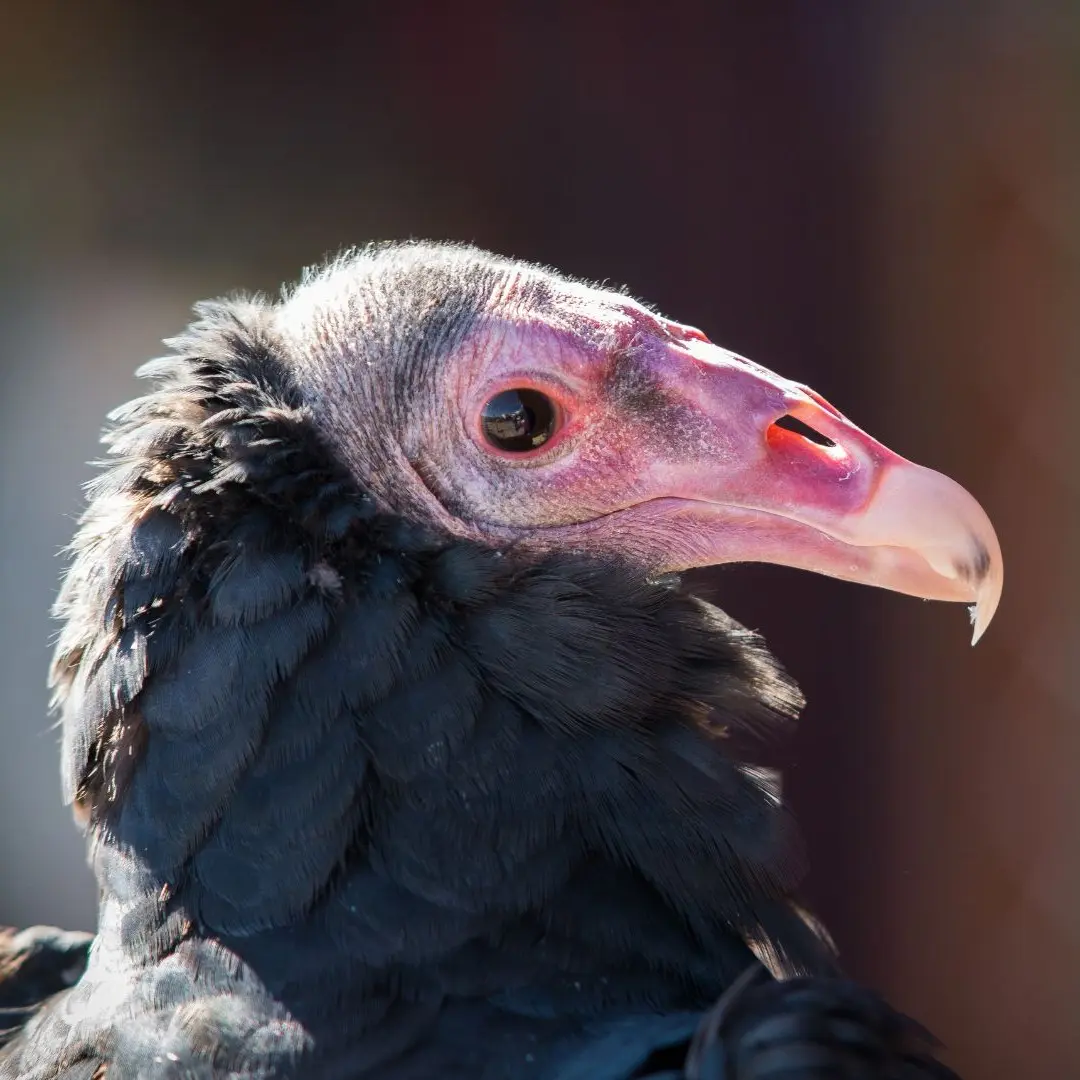
Medium-sized scavenging bird, jet-black plumage and featherless dark gray head.
Added by
Gerardo Venegas
Reviewed by
Under Review
Last modified by
Gerardo Venegas
Other Names (Global)
 GallinazoJote de cabeza negra
 Black vulture
 Urubu-comum
Taxonomy
PhylumChordata
ClassAves
OrderCathartiformes
FamilyCathartidae
GenusCoragyps
Taxonomic Authority(Bechstein, 1793)
Ecology & Status
Origin
Native
Population Trend
Increasing
Breeding Season
Year Round
Trophic Role
Scavenger
Recent Sightings
Yes
Habitat Summary Multi-lang
Highly adaptable; found in open areas, landfills, coastal zones, and urban areas.Behaviour Multi-lang
Flies by flapping wings frequently; unlike the turkey vulture, it lacks a keen sense of smell.Social Activity Multi-lang
Highly social; often feeds and roosts in large communal groups.Feeding Guild Multi-lang
Scavenger, but may occasionally hunt small live animals or eggs.Trophic Chain Details Multi-lang
Removes organic waste quickly, especially in human environments.Reproductive Behaviour Multi-lang
Does not build a nest; lays eggs directly on the ground in protected spots.Physical Measures
Length (cm)
56.0 - 74.0 cm
Weight (Grams)
1.10 kg - 2.20 kg
Offspring per cycle2 - 2
Sexual DimorphismNo
Lifespan
Sexual Maturity
24 - 36 Months
Gestation / Incubation
38 - 41
Lifespan Estimated
Males10 - 15 Years
Females10 - 15 Years
Evolutionary Adaptations Multi-lang
Follows other vultures with a better sense of smell to find food.
Stomach with extremely strong acids that neutralize pathogenic bacteria and toxins from rotting meat.
Main Threats Multi-lang
Persecution by ranchers and accidental poisoning.
Collisions with vehicles on roads while trying to feed on roadkill.
Interesting Facts Multi-lang
Known for its aggressive behavior at carcasses, even displacing larger species.
Despite being scavengers, they are excellent parents and maintain strong family bonds for months.
Image Gallery