
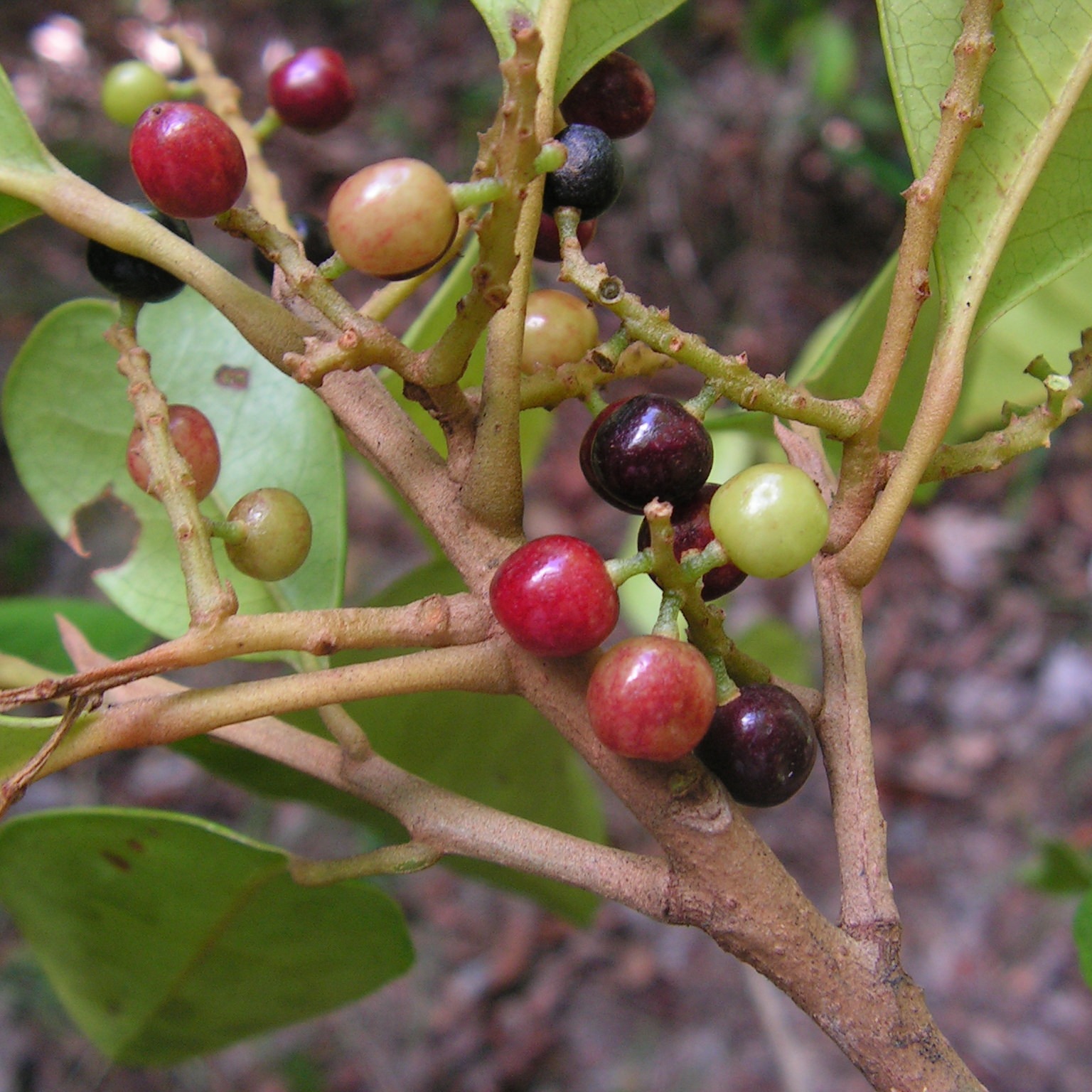
Hieronyma alchorneoides
Surá
Allemão, 1848
Added by
Anonymous Curator
Reviewed by
Under Review
Last modified by
Julia Trouin
TaxonomyBiological classification ranks placing this species within the tree of life, from Kingdom down to Genus.
Ecology & StatusHow this species lives: habitat preferences, diet, behavior, population status, and role in its ecosystem.
OriginWhether the species is native (evolved here), endemic (found only here), or introduced by human activity.
Native
Population TrendDirection of change in population size over time: increasing, stable, decreasing, or unknown.
Decreasing
Trophic RolePosition in the food chain: producer, herbivore, carnivore, omnivore, decomposer, or parasite.
--
Growth HabitPhysical form and structure of the plant: tree, shrub, herb, vine, epiphyte, aquatic, etc.
--
Leaf TypeLeaf characteristics: deciduous (seasonal shed), evergreen, simple, compound, needle-like, etc.
--
Flowering SeasonTime of year when this species typically reproduces or flowers.
--
Recent SightingsWhether this species has been observed in the wild in Costa Rica within recent years.
Yes
Habitat SummaryOverview of the specific ecosystems and environments where this species is found in Costa Rica. Multi-lang
It is a tree typical of humid and very humid tropical and premontane forests, from sea level up to 1,000 meters in elevation, tolerating very high rainfall (up to 5,000 mm annually). It dominates the canopy of mature primary forests, although it can also establish itself in late secondary forests. It exhibits excellent tolerance to poor, acidic, and poorly drained soils (such as ultisols and oxisols), which explains its abundance in certain rainy plains and hills of Costa Rica, Panama, and the Amazon. It requires high light for optimal growth in its juvenile stage, developing vigorously in gaps formed by the fall of other trees.Light & Water NeedsSunlight intensity and moisture levels this plant needs to grow and reproduce successfully. Multi-lang
Information not available in English. Help us expand this record!BehaviourDaily activity patterns, movement, territory use, foraging style, and seasonal behavioral changes. Multi-lang
The surá plays the role of an ecological flagship in the canopy structure. As an emergent tree, its upper branches push their way beyond the average green roof of the rainforest, enduring the inclemency of direct wind and tropical ultraviolet rays. This exposure forces the plant to generate micro-ecosystems in its own arms. By never losing all its leaves at the same time, the tree provides uninterrupted shade to the lower layers, while its rough bark harbors hundreds of bromeliads and orchids that take advantage of the safe balcony the resilient tree grants them to flourish.Toxicity / UsesToxic compounds present and their documented effects on humans or other organisms. Multi-lang
Information not available in English. Help us expand this record!Physical Measures
Length (cm)
1500.0 - 4000.0 cm