
Costa Rica Species
Actinote pellenea
AnimaliaHighest rank in taxonomy. Groups all life into domains: Animalia, Plantae, Fungi, etc.IUCN NEInternational Union for Conservation of Nature — the world authority on species extinction risk, using standardized criteria. — Not Evaluated — not yet assessed against the IUCN Red List criteria.DraftCurrent stage of this record in the editorial review workflow. Recent Sighting

Actinote pellenea

Pellenea Actinote

Hubner, [1821]

Detailed Texts Multi-lang
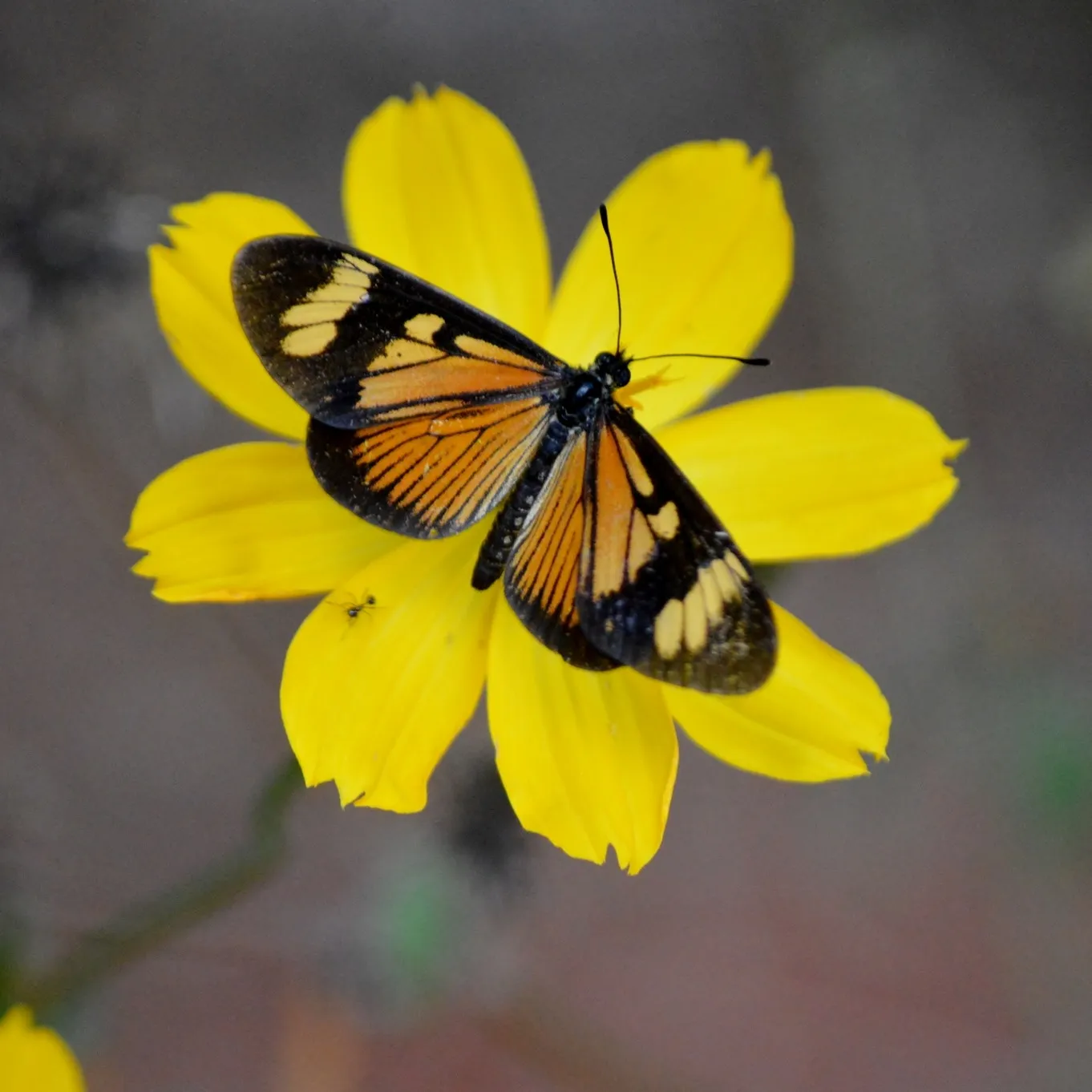
A medium-sized butterfly featuring elongated wings with an elegant combination of translucent, tawny, brownish, and yellowish patterns. Its slow, sluggish flight and unhurried behavior earn it the common name 'lazy butterfly'.

Added by

Anonymous Curator

Reviewed by

Under Review

Last modified by

Julia Trouin

TaxonomyBiological classification ranks placing this species within the tree of life, from Kingdom down to Genus.

PhylumRank below Kingdom. Groups organisms sharing a fundamental body plan (e.g., Chordata = vertebrates and some invertebrates).Arthropoda
ClassRank below Phylum. Subdivides by structural traits (e.g., Mammalia, Aves, Reptilia, Insecta).Insecta
OrderRank below Class. Groups related families sharing common ancestry (e.g., Carnivora, Primates).Lepidoptera
FamilyRank below Order. Groups closely related genera (e.g., Felidae = cats, Canidae = dogs).Nymphalidae
GenusRank just above Species. The first word in the two-part binomial scientific name.Actinote
Taxonomic AuthorityThe scientist who first formally described and published this species, followed by the year of publication.Hubner, [1821]
Record Completeness
96%
Coming soon

Ecology & StatusHow this species lives: habitat preferences, diet, behavior, population status, and role in its ecosystem.

OriginWhether the species is native (evolved here), endemic (found only here), or introduced by human activity.

Native

Population TrendDirection of change in population size over time: increasing, stable, decreasing, or unknown.

Unknown

Breeding SeasonTime of year when this species typically reproduces or flowers.

Year Round

Trophic RolePosition in the food chain: producer, herbivore, carnivore, omnivore, decomposer, or parasite.

Herbivore

Recent SightingsWhether this species has been observed in the wild in Costa Rica within recent years.

Yes

Habitat SummaryOverview of the specific ecosystems and environments where this species is found in Costa Rica. Multi-lang

Widely distributed throughout South America, thriving in open fields, forest edges, wetlands, roadsides, and disturbed rural environments where its larval host plants are abundant.

BehaviourDaily activity patterns, movement, territory use, foraging style, and seasonal behavioral changes. Multi-lang

Strictly diurnal. They are famous for their slow, steady, and unhurried flight patterns near the ground. They are incredibly docile, often staying completely still on flowers for hours while feeding.

Social ActivitySocial structure: whether the species is solitary, paired, or colonial; hierarchy and communication. Multi-lang

Caterpillars exhibit strong gregarious behavior, living and feeding together in large groups. Adults display a peaceful, non-aggressive solitary or loose aggregate foraging lifestyle.

Feeding GuildWhat the species eats, how it forages or hunts, and its role as a consumer in the food web. Multi-lang

Nectarivorous adult, herbivorous larva (gregarious folivore).

Trophic Chain DetailsSpecific interactions in local food webs: prey species, predators, competitors, and scavengers. Multi-lang

Larvae are gregarious folivores feeding on Asteraceae family plants, particularly Mikania species. Adults are nectarivores feeding on various wildflowers. They are actively avoided by many insectivores.

Reproductive BehaviourMating strategies, courtship displays, nesting or spawning behavior, and parental care. Multi-lang

Females lay large, dense clusters of golden yellow eggs on the underside of host plant leaves. The emerging caterpillars spin a silken mat where they aggregate throughout early development stages.

Physical Measures

Length (cm)

5.0 - 6.5 cm

Weight (Grams)

0.1 g - 0.4 g

Offspring per cycleTypical number of young (live births, eggs, or seeds) produced by one adult in a single reproductive event or breeding season.100 - 300
Sexual DimorphismObservable physical differences between males and females of the same species (e.g., size, coloration, features).Yes

Lifespan

Sexual MaturityAge at which the individual becomes capable of reproducing for the first time.

1 - 2 Days

Gestation / IncubationDuration from fertilization to birth (mammals) or to hatching (egg-laying species).

5 - 10

Lifespan EstimatedExpected duration of life from birth to natural death under wild conditions.
Males2 - 4 Weeks
Females2 - 4 Weeks

Sexual DimorphismPhysical differences in size, coloration, or morphology between males and females of this species.

Males Multi-lang

Males are generally smaller, possess narrower and slightly brighter wings, and spent a high amount of time actively searching for females along vegetation margins.

Females Multi-lang

Females have a significantly bulkier, rounded abdomen, wings that are noticeably wider, and often display more muted or extensive dark wing pigmentations.

Evolutionary AdaptationsInherited traits and behaviors that improve the species' survival and reproduction in its specific environment. Multi-lang

The caterpillars and adults isolate toxic chemicals from their host plants (such as Mikania and other Asteraceae), rendering them highly unpalatable to birds and lizards.
Possesses flexible wings and an incredibly resilient, rubbery abdomen that can withstand hard physical attacks from predators that quickly reject them due to bad taste.

Main ThreatsDocumented pressures reducing the population: habitat loss, hunting, disease, climate change, and invasive species. Multi-lang

Massive structural changes in native flora and indiscriminate application of broad-spectrum chemical herbicides that eradicate Asteraceae creepers.
Intense urban expansion engulfing the natural open clearings and margins that these butterflies heavily rely on for host and nectar access.

Interesting FactsSurprising or notable facts that highlight what makes this species unique or ecologically important. Multi-lang

When handled roughly or threatened, adults exude a yellowish, foul-tasting, toxic foam from their thoracic glands as a chemical defense mechanism to deter predators.