AnimaliaIUCN VUIn Progress Recent Sighting
Leopardus tigrinus
Oncilla
(Schreber, 1775)
Detailed Texts Multi-lang
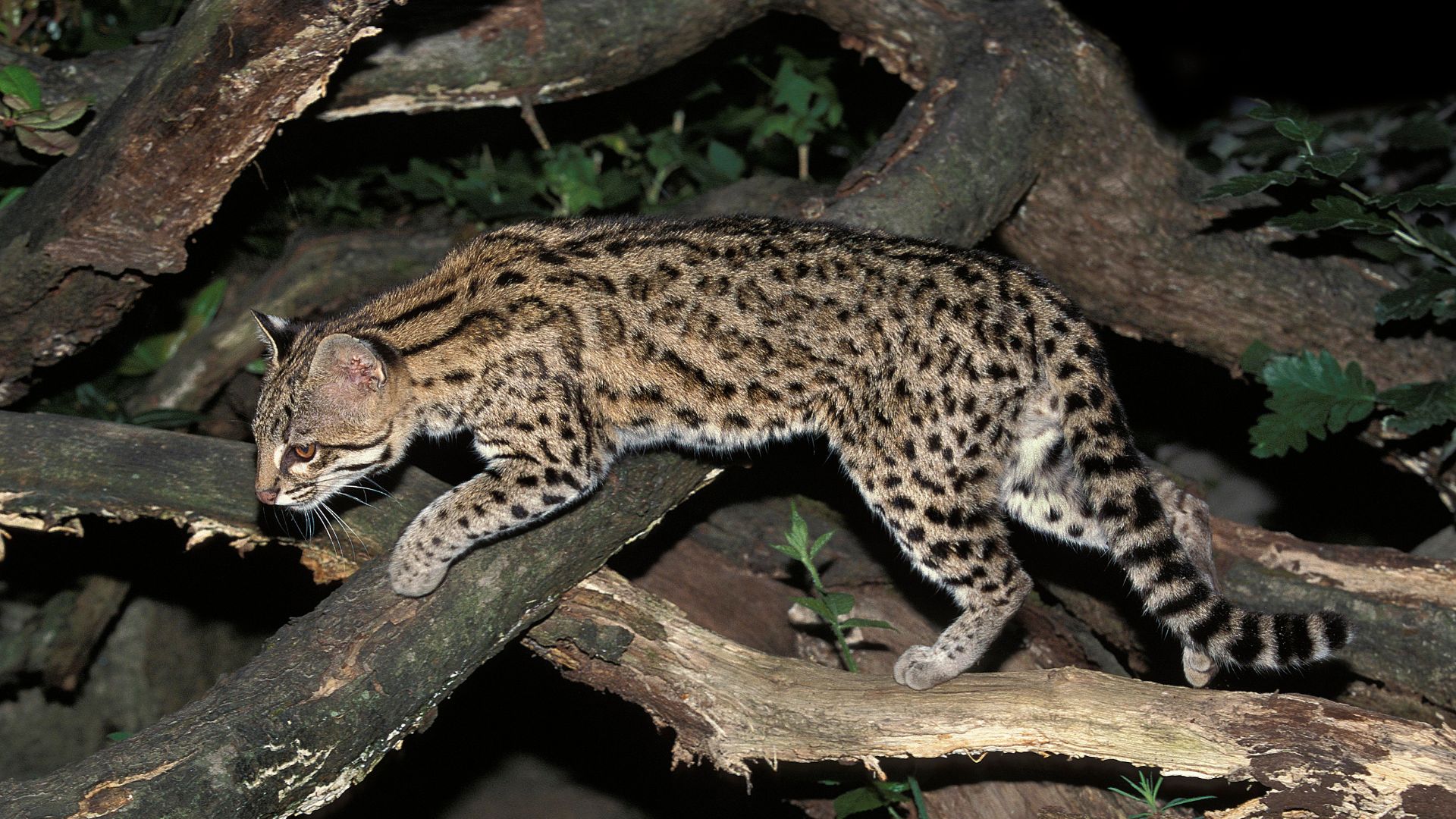
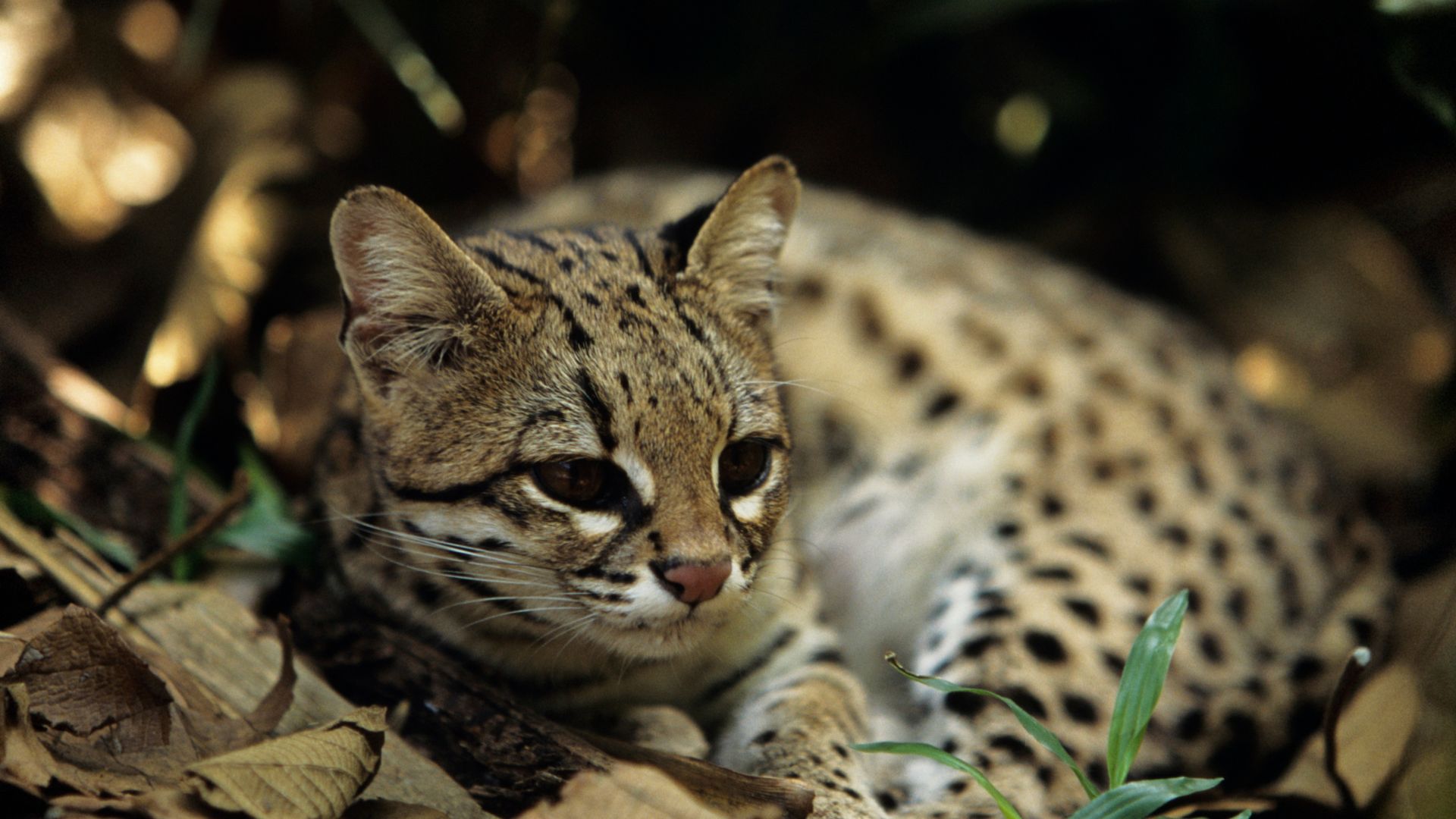
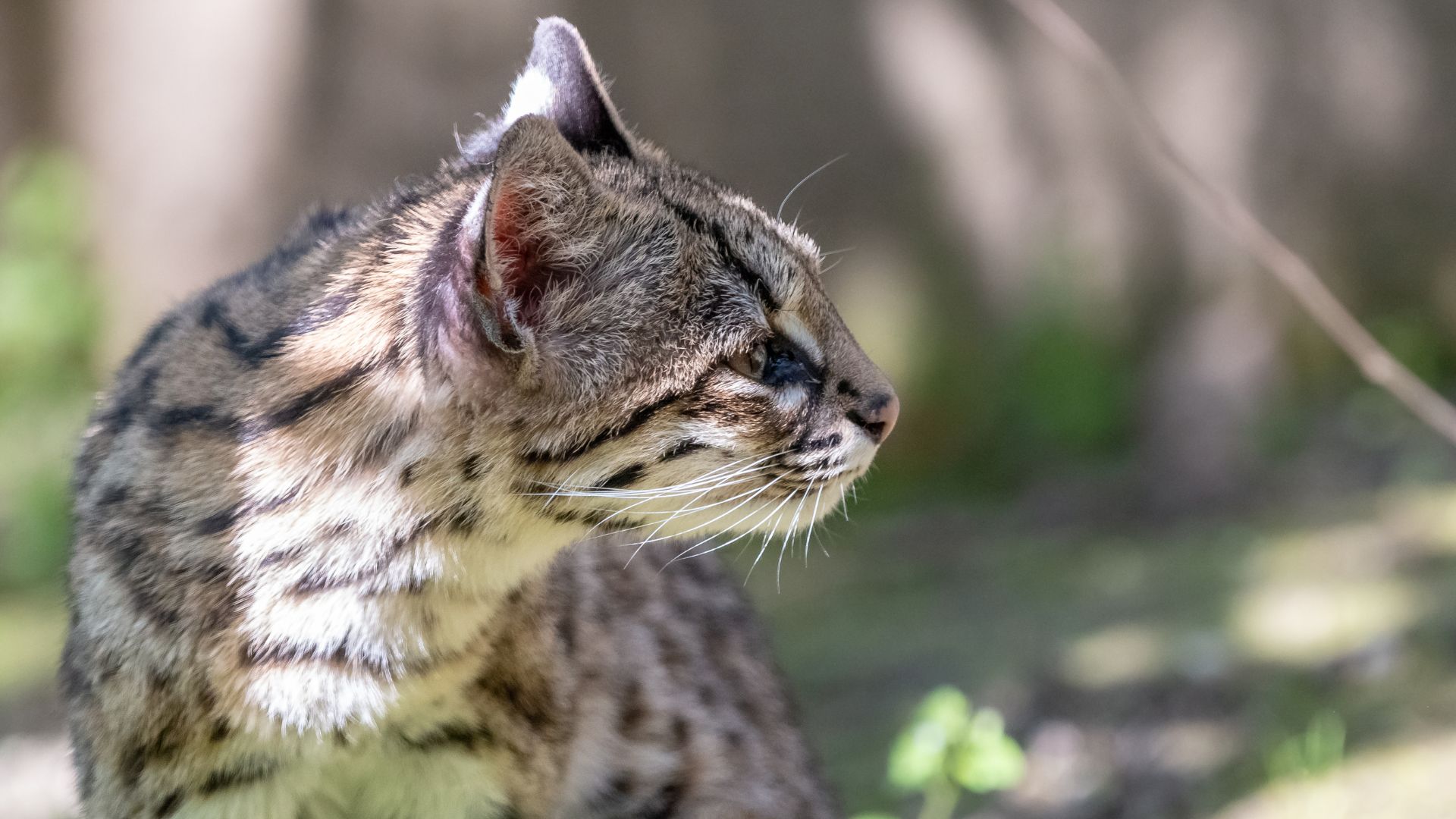
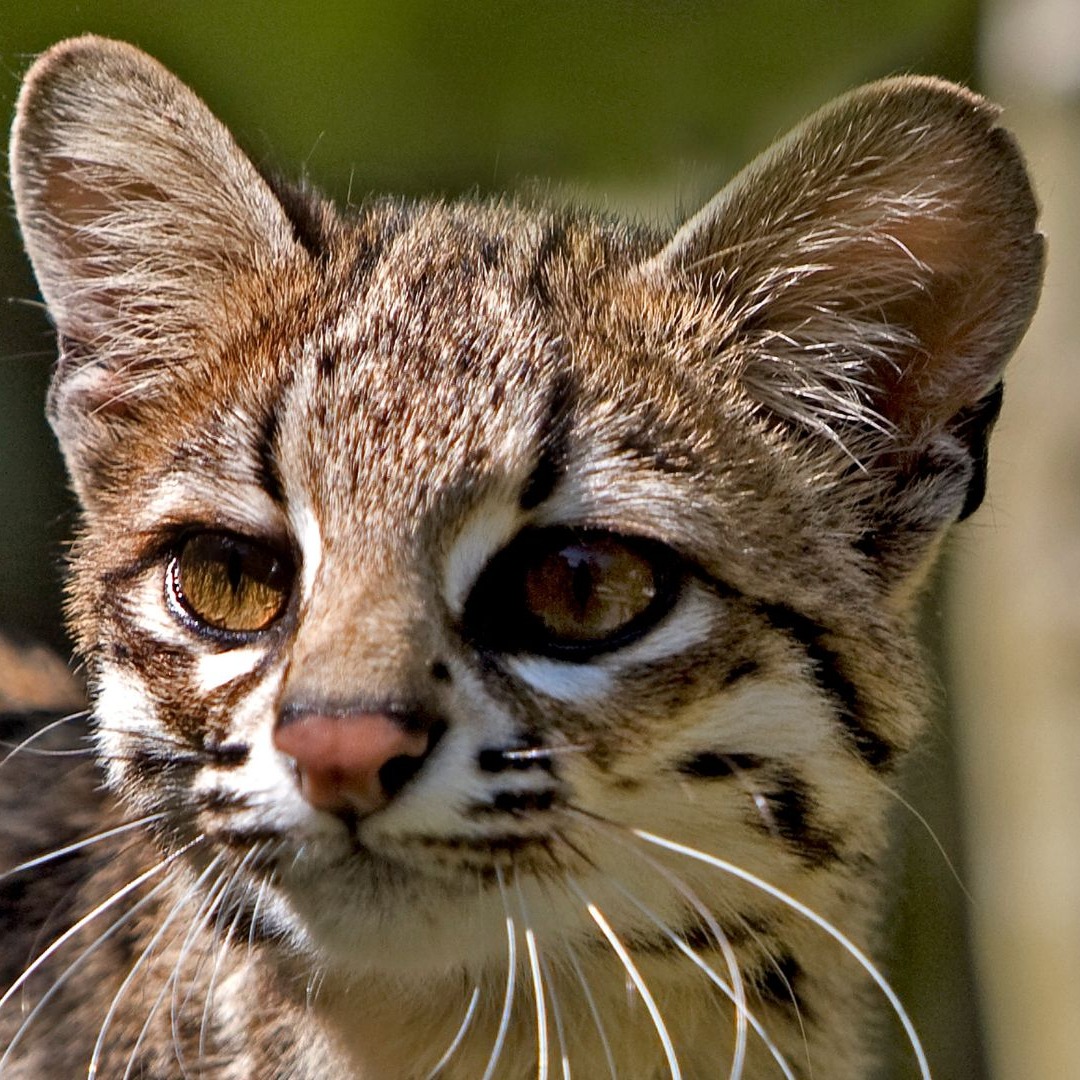
One of the smallest and most elegant felines in the Americas, with a dense, spotted coat.
Added by
Gerardo Venegas
Reviewed by
Under Review
Last modified by
Gerardo Venegas
Other Names (Global)
 TigrilloCaucelito
 Tiger cat
 Gato-do-mato-pequeno
Taxonomy
PhylumChordata
ClassMammalia
OrderCarnivora
FamilyFelidae
GenusLeopardus
Taxonomic Authority(Schreber, 1775)
Ecology & Status
Origin
Native
Population Trend
Decreasing
Breeding Season
Year Round
Trophic Role
Carnivore
Recent Sightings
Yes
Habitat Summary Multi-lang
Mainly inhabits montane forests, tropical rainforests, and scrublands.Behaviour Multi-lang
It is a nocturnal and solitary animal, very elusive and difficult to observe in the wild.Social Activity Multi-lang
Solitary except during breeding season; individuals avoid contact with each other.Feeding Guild Multi-lang
Feeds on small rodents, birds, lizards, and large insects.Trophic Chain Details Multi-lang
Controller of small vertebrate populations in fragile mountain ecosystems.Reproductive Behaviour Multi-lang
Gestation lasts about 75 days; litters are usually just one cub.Physical Measures
Length (cm)
40.0 - 55.0 cm
Weight (Grams)
1.50 kg - 3.00 kg
Offspring per cycle1 - 2
Sexual DimorphismNo
Lifespan
Sexual Maturity
18 - 24 Months
Gestation / Incubation
74 - 78
Lifespan Estimated
Males10 - 14 Years
Females10 - 14 Years
Evolutionary Adaptations Multi-lang
Its small size allows it to move with agility through dense vegetation.
Paws with soft pads that allow almost silent movement for hunting.
Main Threats Multi-lang
Conversion of forests into coffee plantations and pastures.
Illegal hunting for its fur and conflicts with humans due to predation on poultry.
Interesting Facts Multi-lang
Often confused with the margay, but the oncilla is smaller and less arboreal.
They are excellent jumpers, capable of catching birds in mid-air from the ground.
Image Gallery