AnimaliaIUCN VUIn Progress Recent Sighting
Alouatta palliata
Mantled howler monkey
(Gray, 1849)
Detailed Texts Multi-lang
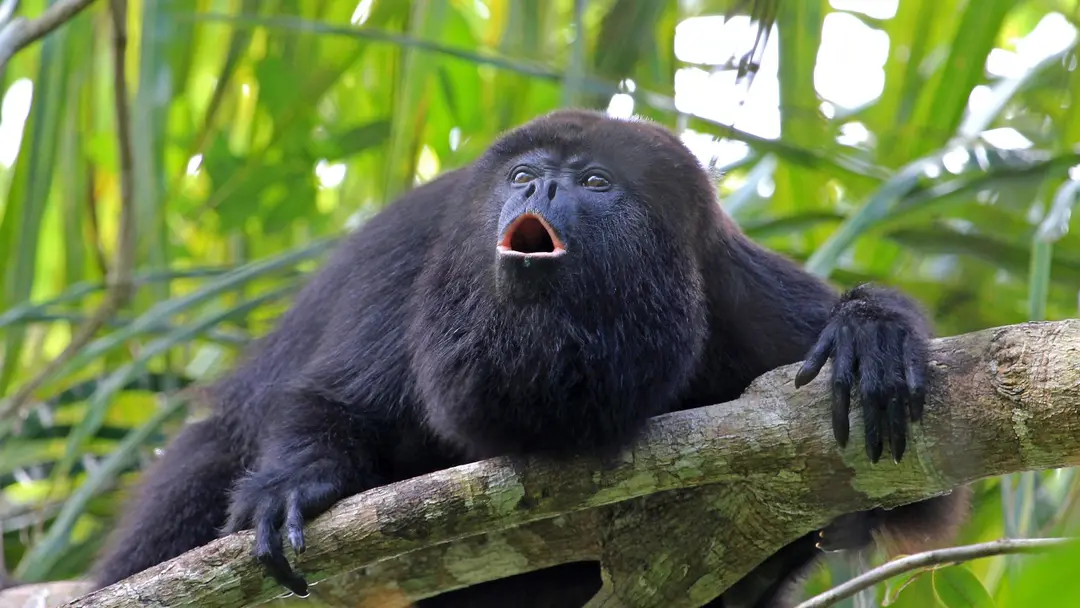
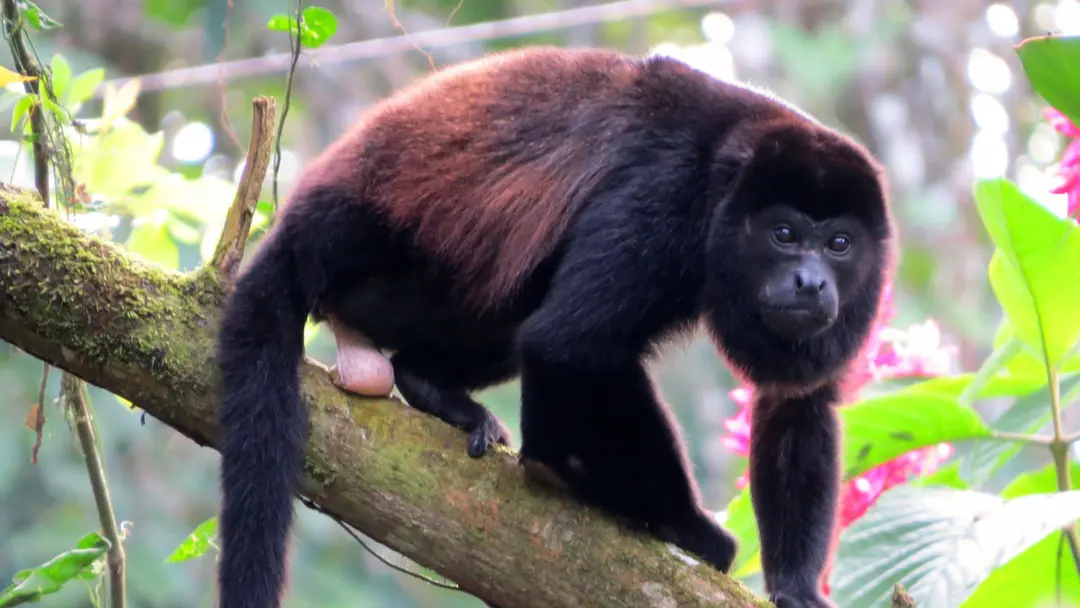
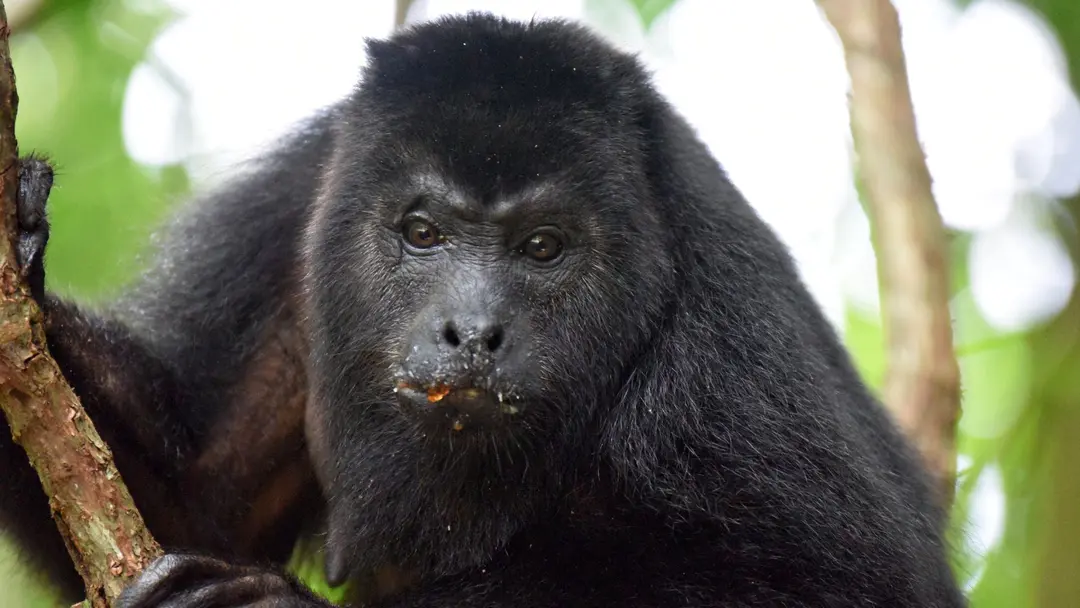
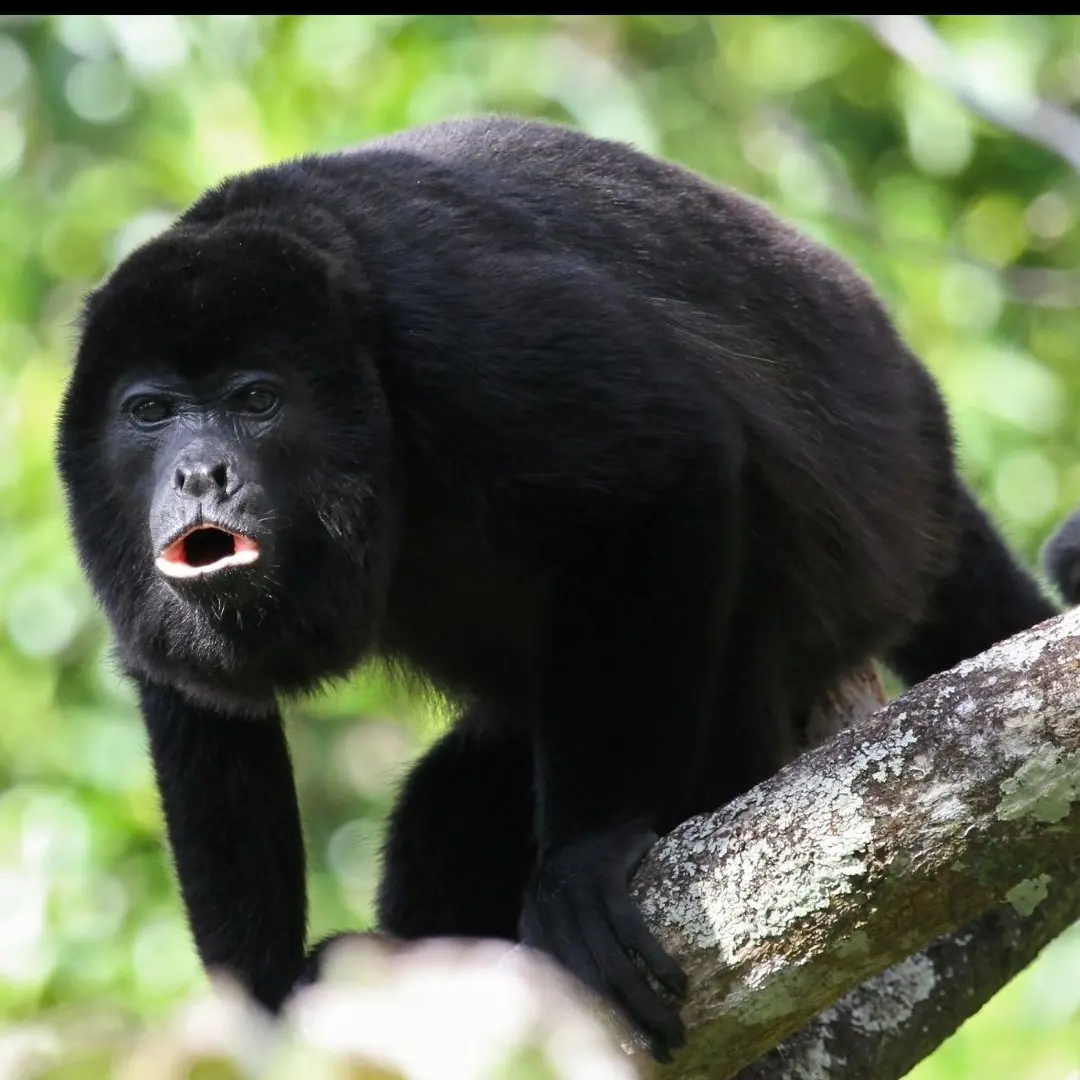
Large primate with black fur and yellowish side fringes.
Added by
Gerardo Venegas
Reviewed by
Under Review
Last modified by
Alberto Zuluaga
Other Names (Global)
 Mono aullador
 Golden-mantled howlerAullador de la costa
 Hurleur à manteau
Taxonomy
PhylumChordata
ClassMammalia
OrderPrimates
FamilyAtelidae
GenusAlouatta
Taxonomic Authority(Gray, 1849)
Ecology & Status
Origin
Native
Population Trend
Decreasing
Breeding Season
Year Round
Trophic Role
Herbivore
Recent Sightings
Yes
Habitat Summary Multi-lang
Inhabits lowland rainforests, deciduous forests, and mangroves..Behaviour Multi-lang
Famous for its powerful vocalizations that can be heard for miles.Social Activity Multi-lang
Stable social groups of 10 to 20 individuals with linear hierarchy.Feeding Guild Multi-lang
Folivore; feeds mainly on young leaves, flowers, and fruits.Trophic Chain Details Multi-lang
Contributes to the forest nutrient cycle through defecation.Reproductive Behaviour Multi-lang
Gestation lasts 6 months; the mother carries the infant on her back.Physical Measures
Length (cm)
48.0 - 65.0 cm
Weight (Grams)
4.50 kg - 9.80 kg
Offspring per cycle1 - 1
Sexual DimorphismYes
Lifespan
Sexual Maturity
36 - 48 Months
Gestation / Incubation
180 - 190
Lifespan Estimated
Males15 - 20 Years
Females15 - 20 Years
Sexual Dimorphism
Males Multi-lang
Males have a highly developed hyoid bone for howling and a prominent beard.
Females Multi-lang
Females are smaller and lack the prominent beard of the male.
Evolutionary Adaptations Multi-lang
Its throat is large to act as a resonance chamber.
Prehensile tail with a hairless tactile pad at the tip for a firm grip.
Main Threats Multi-lang
Loss of connectivity between forest patches and roadkills.
Electrocution on poorly insulated power lines when trying to cross roads.
Interesting Facts Multi-lang
It is one of the loudest land animals in the world.
They spend up to 80% of the day resting to digest the cellulose in leaves.
Image Gallery