
Costa Rica Species
Calycophyllum candidissimum
PlantaeHighest rank in taxonomy. Groups all life into domains: Animalia, Plantae, Fungi, etc.IUCN LCInternational Union for Conservation of Nature — the world authority on species extinction risk, using standardized criteria. — Least Concern — widespread and abundant; not at immediate risk of extinction.In ProgressCurrent stage of this record in the editorial review workflow. Recent Sighting

Calycophyllum candidissimum

Degame

(Vahl) DC., 1830

Detailed Texts Multi-lang
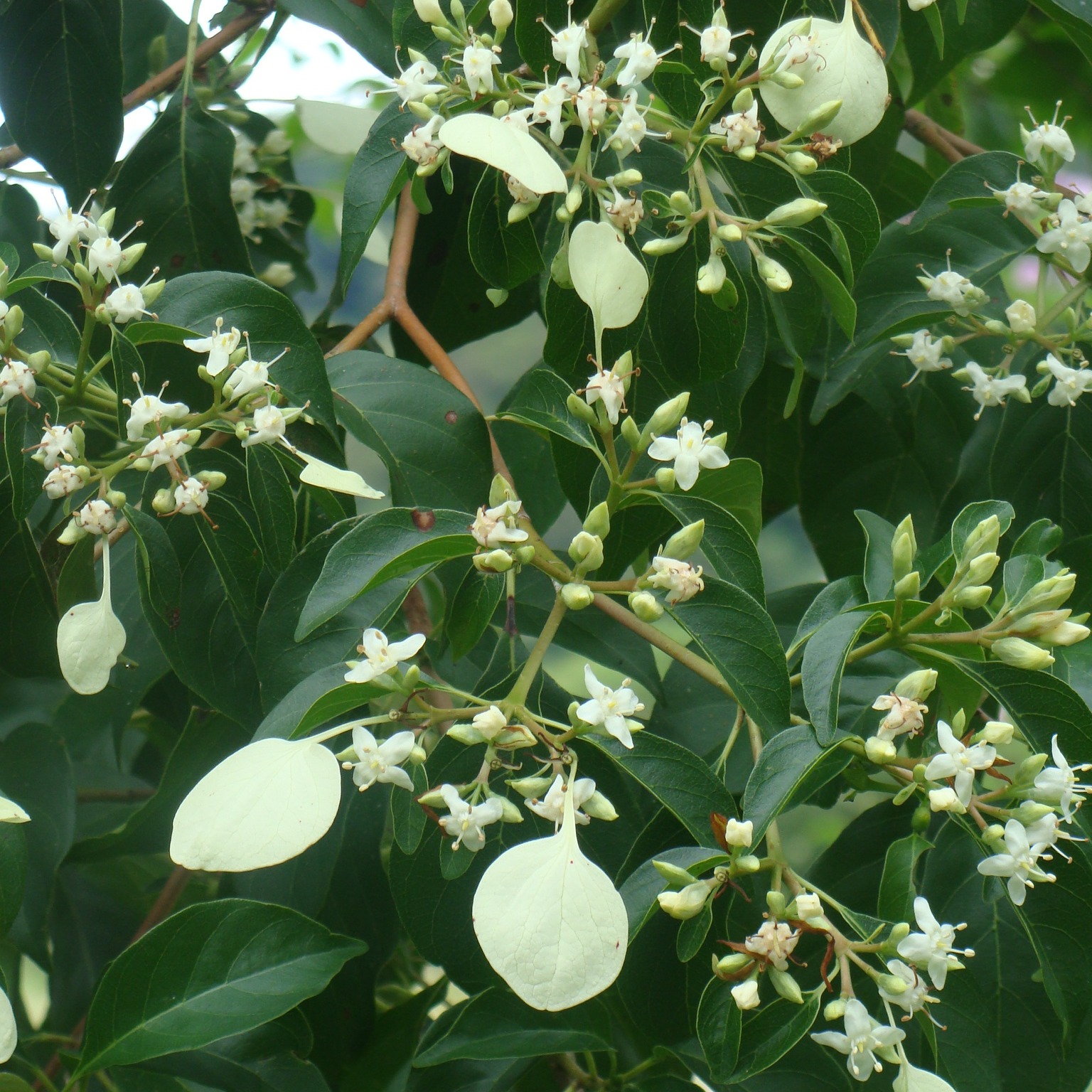
Medium-sized tree with a distinctive reddish bark that peels off in sheets. It is famous for its spectacular white flowering that covers the entire crown, emitting an intense fragrance.

Added by

Anonymous Curator

Reviewed by

Under Review

Last modified by

Julia Trouin

Other Names (Global)Regional and multilingual names used for this species across different countries and languages.

SálamoHarinoLemonwoodUrraca

TaxonomyBiological classification ranks placing this species within the tree of life, from Kingdom down to Genus.

PhylumRank below Kingdom. Groups organisms sharing a fundamental body plan (e.g., Chordata = vertebrates and some invertebrates).Tracheophyta
ClassRank below Phylum. Subdivides by structural traits (e.g., Mammalia, Aves, Reptilia, Insecta).Magnoliopsida
OrderRank below Class. Groups related families sharing common ancestry (e.g., Carnivora, Primates).Gentianales
FamilyRank below Order. Groups closely related genera (e.g., Felidae = cats, Canidae = dogs).Rubiaceae
GenusRank just above Species. The first word in the two-part binomial scientific name.Calycophyllum
Taxonomic AuthorityThe scientist who first formally described and published this species, followed by the year of publication.(Vahl) DC., 1830
Record Completeness
93%
Coming soon

Ecology & StatusHow this species lives: habitat preferences, diet, behavior, population status, and role in its ecosystem.

OriginWhether the species is native (evolved here), endemic (found only here), or introduced by human activity.

Native

Population TrendDirection of change in population size over time: increasing, stable, decreasing, or unknown.

Stable

Trophic RolePosition in the food chain: producer, herbivore, carnivore, omnivore, decomposer, or parasite.

--

Growth HabitPhysical form and structure of the plant: tree, shrub, herb, vine, epiphyte, aquatic, etc.

--

Leaf TypeLeaf characteristics: deciduous (seasonal shed), evergreen, simple, compound, needle-like, etc.

--

Flowering SeasonTime of year when this species typically reproduces or flowers.

Dry Season

Recent SightingsWhether this species has been observed in the wild in Costa Rica within recent years.

Yes

Habitat SummaryOverview of the specific ecosystems and environments where this species is found in Costa Rica. Multi-lang

Inhabits mainly tropical dry forests on the Pacific slope, from Mexico to Panama. Prefers well-drained soils and low-altitude areas.

Light & Water NeedsSunlight intensity and moisture levels this plant needs to grow and reproduce successfully. Multi-lang

Information not available in English. Help us expand this record!

BehaviourDaily activity patterns, movement, territory use, foraging style, and seasonal behavioral changes. Multi-lang

It is a deciduous tree that flowers massively at the end of the year and the beginning of the dry season. Its white flowers attract a multitude of pollinators, especially bees and butterflies.

Toxicity / UsesToxic compounds present and their documented effects on humans or other organisms. Multi-lang

Information not available in English. Help us expand this record!

Physical Measures

Length (cm)

1200.0 - 2000.0 cm

Reproductive StructuresFlowers, fruits, and seeds — the reproductive organs and their seasonal appearance.

Flower Photos (Max 2)

No image

Fruit Photos (Max 2)

No image

Evolutionary AdaptationsInherited traits and behaviors that improve the species' survival and reproduction in its specific environment. Multi-lang

Exfoliating bark that helps the tree shed parasitic plants and excessive epiphytes.
Seeds with membranous expansions that facilitate gliding over long distances during the dry season.

Main ThreatsDocumented pressures reducing the population: habitat loss, hunting, disease, climate change, and invasive species. Multi-lang

Habitat loss in dry forest due to agricultural and livestock expansion.
Excessive extraction of its wood for making violin bows and sporting goods.

Interesting FactsSurprising or notable facts that highlight what makes this species unique or ecologically important. Multi-lang

It has been the National Tree of Nicaragua since 1971.
Its wood is so fine and elastic that it is known internationally as 'Lemonwood' and is used for archery bows.

External ReferencesScientific publications, field guides, and databases that document this species or area.