AnimaliaIUCN VUIn Progress Recent Sighting
Cebus capucinus
White-faced capuchin
(Linnaeus, 1758)
Detailed Texts Multi-lang
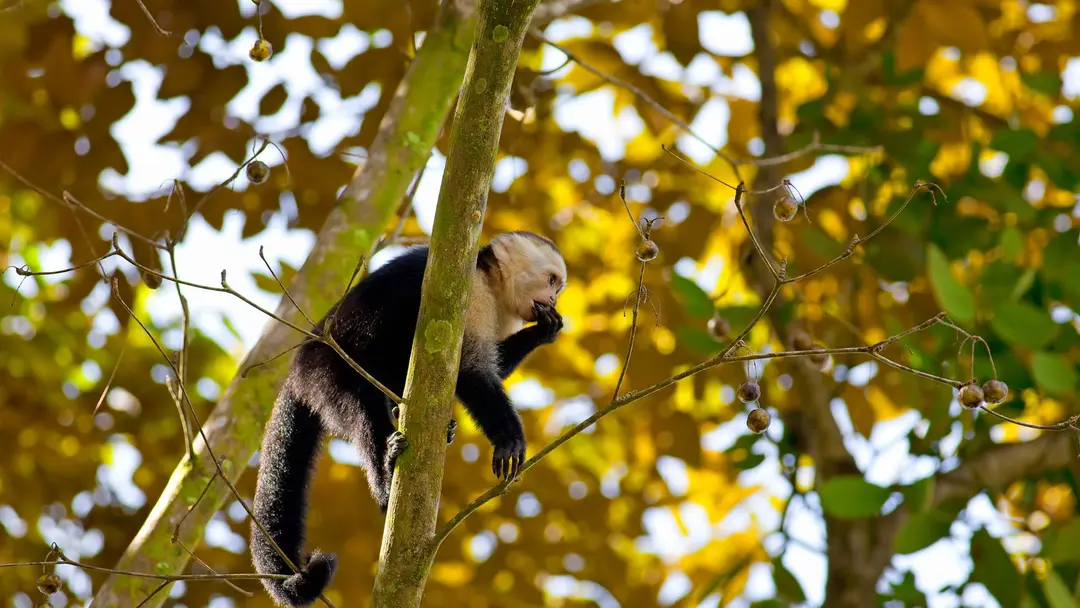
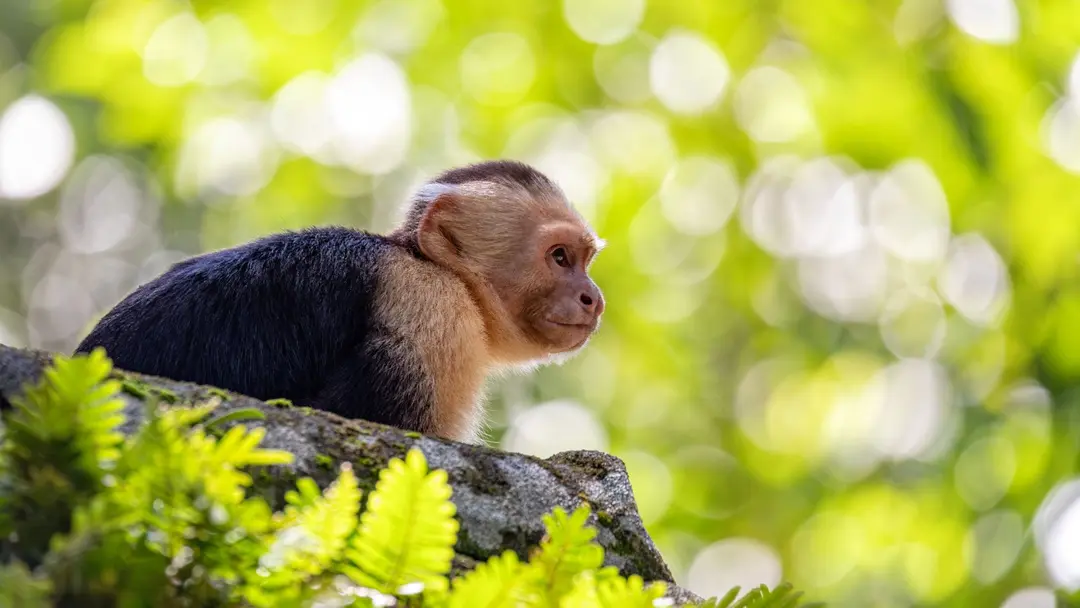
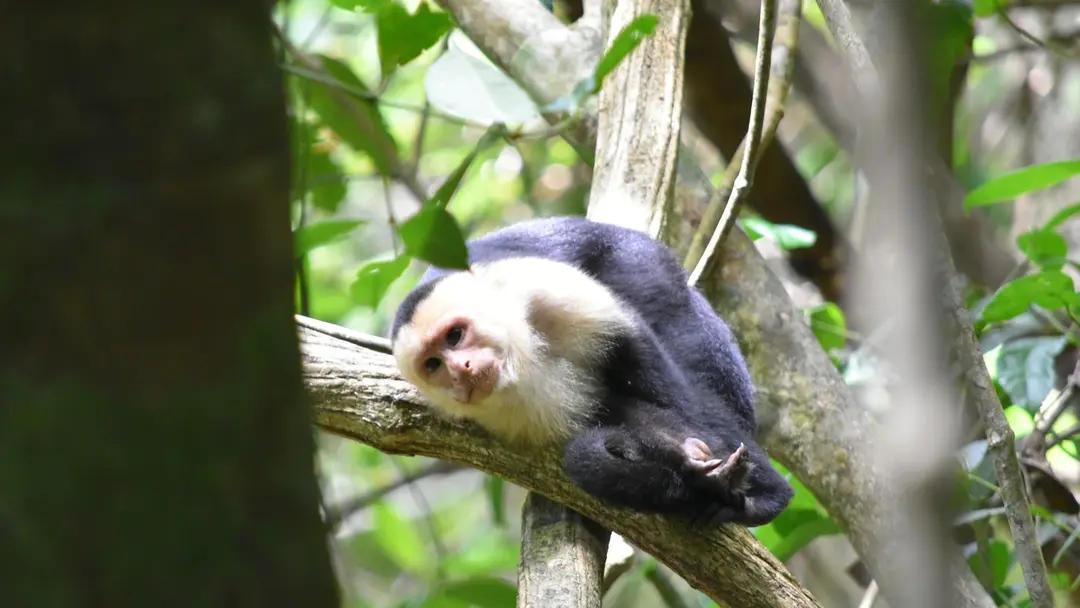
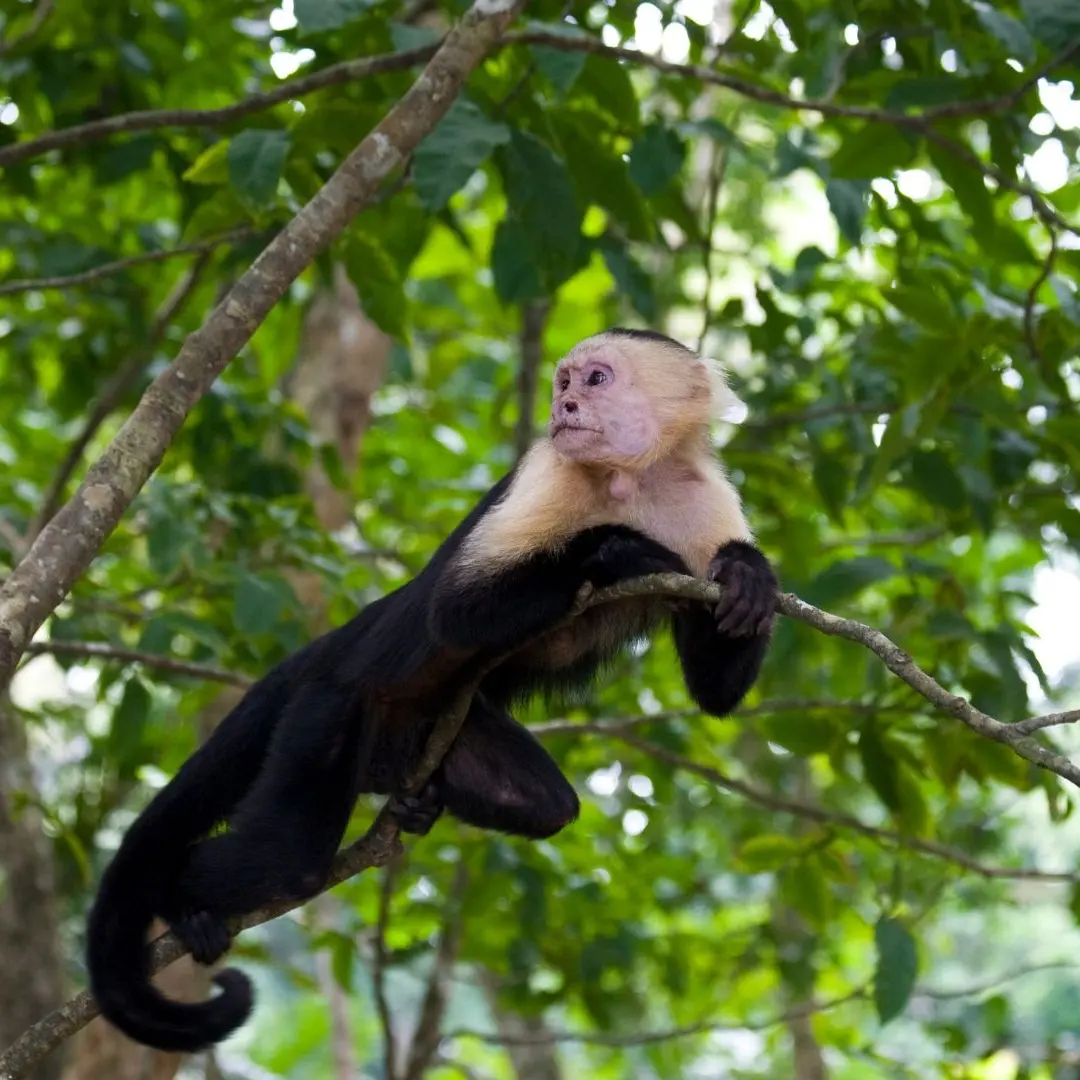
Highly intelligent primate with black fur and white face, throat, and shoulders.
Added by
Gerardo Venegas
Reviewed by
Under Review
Last modified by
Gerardo Venegas
Other Names (Global)
 Mono carablanca
 White-headed capuchinCapuchino de cabeza blanca
 Cebus
CebusTaxonomy
PhylumChordata
ClassMammalia
OrderPrimates
FamilyCebidae
GenusCebus
Taxonomic Authority(Linnaeus, 1758)
Ecology & Status
Origin
Native
Population Trend
Decreasing
Breeding Season
Year Round
Trophic Role
Omnivore
Recent Sightings
Yes
Habitat Summary Multi-lang
Adapts to various types of forests, including secondary and mangroves.Behaviour Multi-lang
Known for tool use and complex social structure.Social Activity Multi-lang
Live in groups of 10 to 35 individuals led by an alpha male.Feeding Guild Multi-lang
Omnivore; consumes fruits, insects, small vertebrates, and eggs.Trophic Chain Details Multi-lang
Important seed disperser and insect population controller.Reproductive Behaviour Multi-lang
Females give birth every two years; infant care is shared.Physical Measures
Length (cm)
33.0 - 45.0 cm
Weight (Grams)
2.60 kg - 3.90 kg
Offspring per cycle1 - 1
Sexual DimorphismYes
Lifespan
Sexual Maturity
48 - 84 Months
Gestation / Incubation
150 - 160
Lifespan Estimated
Males25 - 30 Years
Females25 - 30 Years
Ecological Relationships
Mutualism (+/+)Panthera onca — Jaguar
Test
Sexual Dimorphism
Males Multi-lang
The male is up to 25% larger than the female.
Females Multi-lang
The female is smaller and reaches sexual maturity earlier.
Evolutionary Adaptations Multi-lang
Prehensile tail that acts as a fifth hand for support.
Cognitive ability to process information and use objects as tools to obtain food.
Main Threats Multi-lang
Habitat fragmentation and capture for the pet trade.
Negative interactions with humans and transmission of zoonotic diseases.
Interesting Facts Multi-lang
They rub medicinal plants on their fur to repel insects.
They are known to be one of the most intelligent New World primates.
Ecological Relationships
Mutualism (+/+)Panthera onca — Jaguar
Test
Image Gallery