
Costa Rica Species
Adiantum raddianum
PlantaeHighest rank in taxonomy. Groups all life into domains: Animalia, Plantae, Fungi, etc.IUCN LCInternational Union for Conservation of Nature — the world authority on species extinction risk, using standardized criteria. — Least Concern — widespread and abundant; not at immediate risk of extinction.DraftCurrent stage of this record in the editorial review workflow. Recent Sighting

Adiantum raddianum

Delta Maidenhair Fern

C.Presl, 1836

Detailed Texts Multi-lang
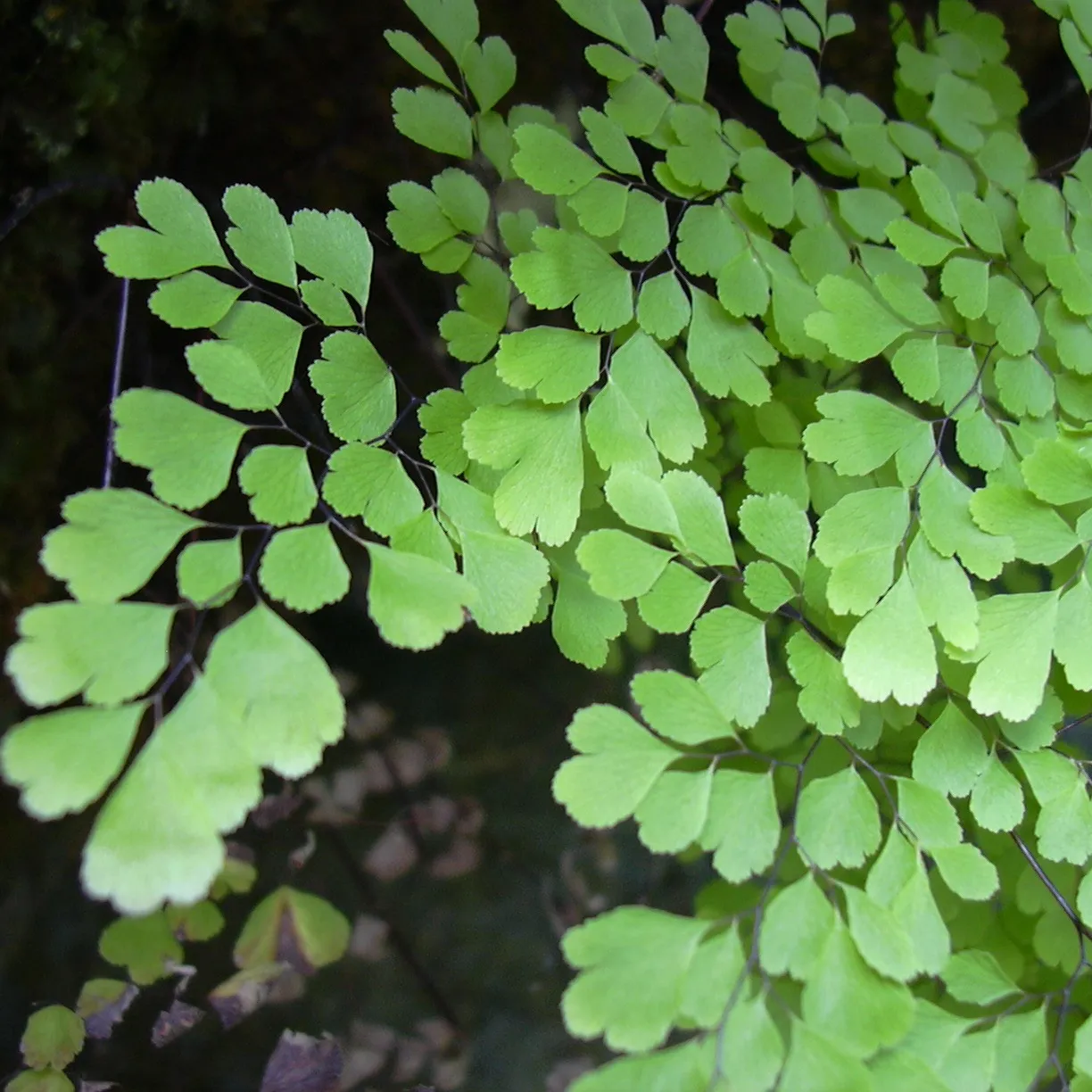
A delicate and elegant tufted terrestrial fern featuring very slender, wiry, dark brown to black stipes. Its triangular-ovate fronds are tripinnate to quadripinnate, displaying small, light green, wedge-shaped pinnules that have segments with slightly lobed margins.

Added by

Anonymous Curator

Reviewed by

Under Review

Last modified by

Julia Trouin

TaxonomyBiological classification ranks placing this species within the tree of life, from Kingdom down to Genus.

PhylumRank below Kingdom. Groups organisms sharing a fundamental body plan (e.g., Chordata = vertebrates and some invertebrates).Tracheophyta
ClassRank below Phylum. Subdivides by structural traits (e.g., Mammalia, Aves, Reptilia, Insecta).Polypodiopsida
OrderRank below Class. Groups related families sharing common ancestry (e.g., Carnivora, Primates).Polypodiales
FamilyRank below Order. Groups closely related genera (e.g., Felidae = cats, Canidae = dogs).Pteridaceae
GenusRank just above Species. The first word in the two-part binomial scientific name.Adiantum
Taxonomic AuthorityThe scientist who first formally described and published this species, followed by the year of publication.C.Presl, 1836
Record Completeness
85%
Coming soon

Ecology & StatusHow this species lives: habitat preferences, diet, behavior, population status, and role in its ecosystem.

OriginWhether the species is native (evolved here), endemic (found only here), or introduced by human activity.

Native

Population TrendDirection of change in population size over time: increasing, stable, decreasing, or unknown.

Stable

Trophic RolePosition in the food chain: producer, herbivore, carnivore, omnivore, decomposer, or parasite.

Herbivore

Growth HabitPhysical form and structure of the plant: tree, shrub, herb, vine, epiphyte, aquatic, etc.

--

Leaf TypeLeaf characteristics: deciduous (seasonal shed), evergreen, simple, compound, needle-like, etc.

--

Flowering SeasonTime of year when this species typically reproduces or flowers.

Year Round

Recent SightingsWhether this species has been observed in the wild in Costa Rica within recent years.

Yes

Habitat SummaryOverview of the specific ecosystems and environments where this species is found in Costa Rica. Multi-lang

Thrives on damp, shaded rocky walls, riverbanks, brick crevices, and damp forest floors. Native to the American tropics but highly naturalized globally in humid environments and urban microhabitats like wells and vertical drains.

Light & Water NeedsSunlight intensity and moisture levels this plant needs to grow and reproduce successfully. Multi-lang

Information not available in English. Help us expand this record!

BehaviourDaily activity patterns, movement, territory use, foraging style, and seasonal behavioral changes. Multi-lang

An herbaceous, evergreen fern that remains stationary, acting as a colonizer of vertical habitats. It is highly efficient at filtering low-intensity light and relies on high ambient mist or continuous seeps to maintain frond turgor.

Toxicity / UsesToxic compounds present and their documented effects on humans or other organisms. Multi-lang

Information not available in English. Help us expand this record!

Physical Measures

Length (cm)

15.0 - 50.0 cm

Reproductive StructuresFlowers, fruits, and seeds — the reproductive organs and their seasonal appearance.

Flower Photos (Max 2)

No image

Fruit Photos (Max 2)

No image

Evolutionary AdaptationsInherited traits and behaviors that improve the species' survival and reproduction in its specific environment. Multi-lang

The fronds possess a highly water-repellent surface layer, allowing water droplets to slide off easily without crushing or weighting down the delicate leaf structures.
Equipped with a compact, short-creeping rhizome that anchors firmly into minuscule vertical cracks, extracting nutrients from minimal organic debris.

Main ThreatsDocumented pressures reducing the population: habitat loss, hunting, disease, climate change, and invasive species. Multi-lang

Extremely vulnerable to low atmospheric humidity and direct sunlight, which scorch the delicate pinnules and dry out the shallow root systems rapidly.
Destruction of urban wetland microclimates and rocky walls due to aggressive cement renovations and the excessive use of herbicides.

Interesting FactsSurprising or notable facts that highlight what makes this species unique or ecologically important. Multi-lang

The genus name 'Adiantum' is derived from the Greek word meaning 'unwetted', directly referencing the incredible capacity of its delicate foliage to remain completely dry even when submerged under water.