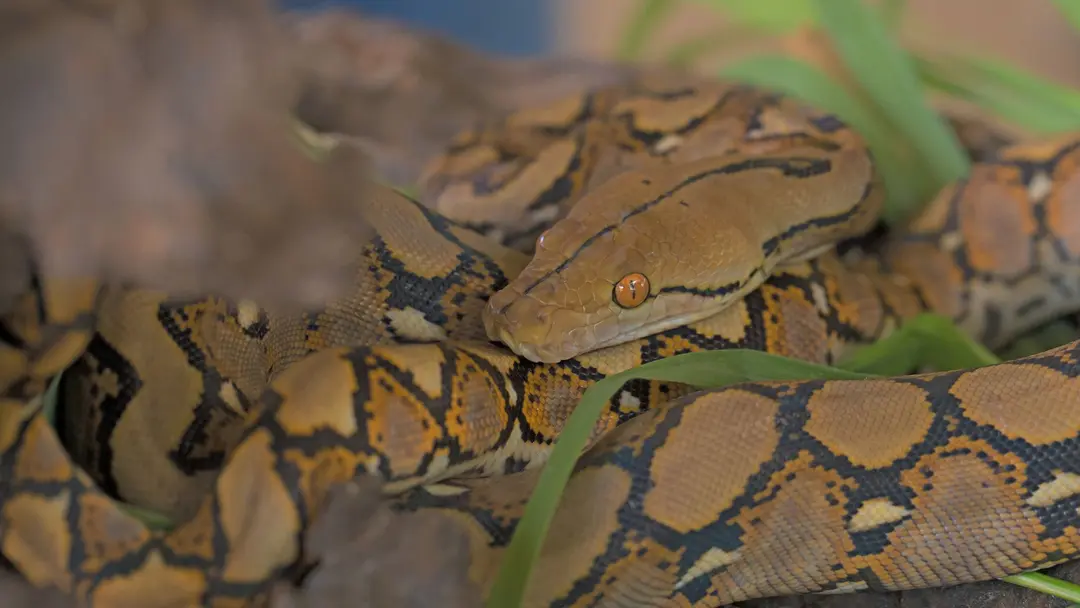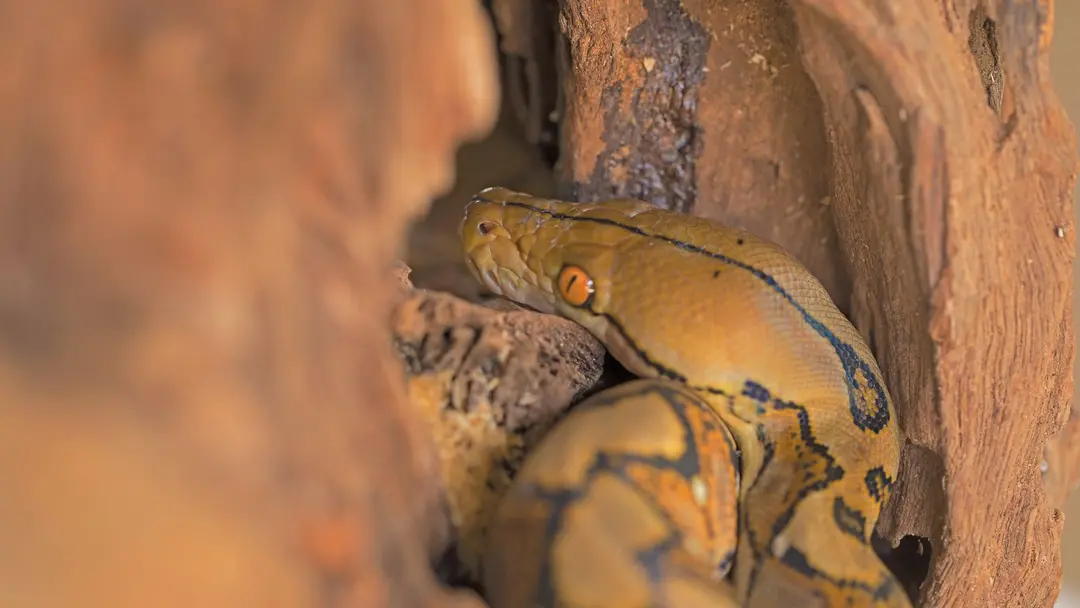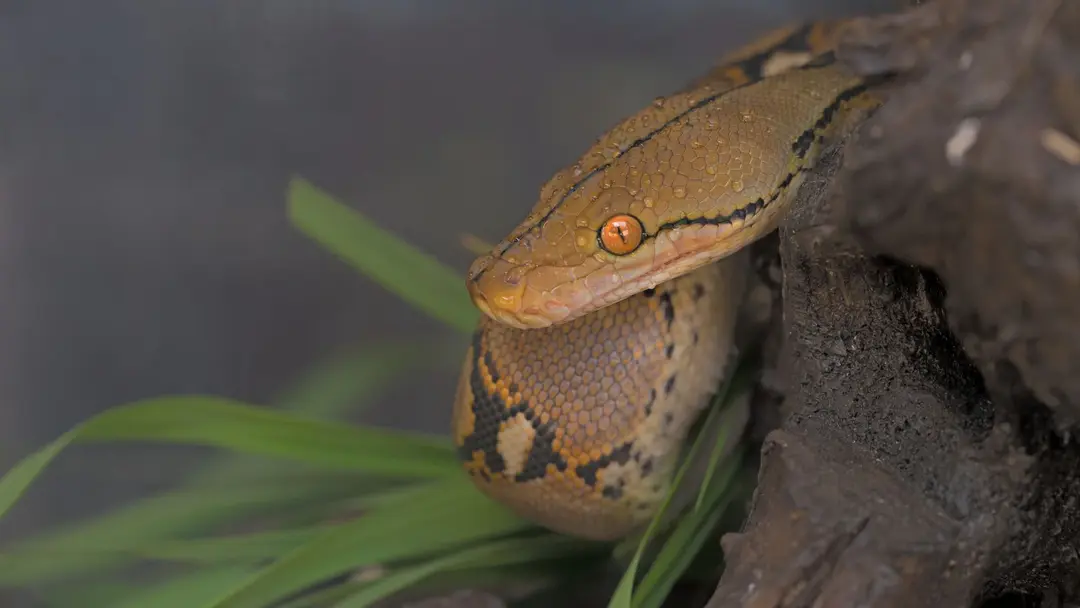
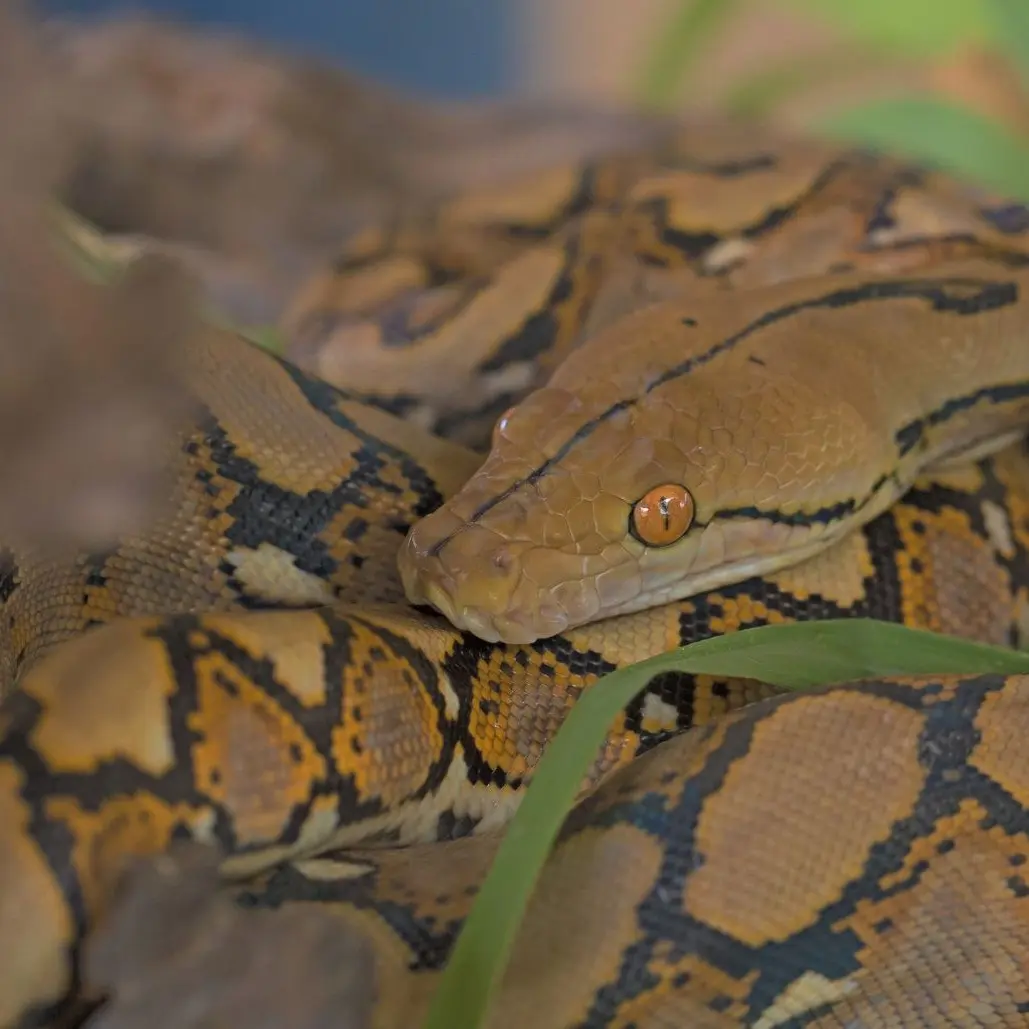
Boa imperator
Common Boa
Daudin, 1803
Added by
Gerardo Venegas
Reviewed by
Under Review
Last modified by
Gerardo Venegas
Other Names (Global)Regional and multilingual names used for this species across different countries and languages.
 Bequer
 Central American BoaBoa constrictoraBécquer
TaxonomyBiological classification ranks placing this species within the tree of life, from Kingdom down to Genus.
Ecology & StatusHow this species lives: habitat preferences, diet, behavior, population status, and role in its ecosystem.
OriginWhether the species is native (evolved here), endemic (found only here), or introduced by human activity.
Native
Population TrendDirection of change in population size over time: increasing, stable, decreasing, or unknown.
Stable
Breeding SeasonTime of year when this species typically reproduces or flowers.
Dry Season
Trophic RolePosition in the food chain: producer, herbivore, carnivore, omnivore, decomposer, or parasite.
Carnivore
Recent SightingsWhether this species has been observed in the wild in Costa Rica within recent years.
Yes
Habitat SummaryOverview of the specific ecosystems and environments where this species is found in Costa Rica. Multi-lang
Found in diverse habitats, from humid jungles to semi-arid zones.BehaviourDaily activity patterns, movement, territory use, foraging style, and seasonal behavioral changes. Multi-lang
Solitary and nocturnal; uses constriction to subdue its prey.Social ActivitySocial structure: whether the species is solitary, paired, or colonial; hierarchy and communication. Multi-lang
Mainly solitary, interacting only to reproduce.Feeding GuildWhat the species eats, how it forages or hunts, and its role as a consumer in the food web. Multi-lang
Carnivore. Eats rodents, birds, iguanas, and small mammals.Trophic Chain DetailsSpecific interactions in local food webs: prey species, predators, competitors, and scavengers. Multi-lang
Regulates small vertebrate populations in neotropical ecosystems.Reproductive BehaviourMating strategies, courtship displays, nesting or spawning behavior, and parental care. Multi-lang
Ovoviviparous. Females give birth to fully formed young.Physical Measures
Length (cm)
150.0 - 300.0 cm
Weight (Grams)
5.00 kg - 15.00 kg
Lifespan
Sexual MaturityAge at which the individual becomes capable of reproducing for the first time.
3 - 5 Years
Gestation / IncubationDuration from fertilization to birth (mammals) or to hatching (egg-laying species).
4 - 8
Evolutionary AdaptationsInherited traits and behaviors that improve the species' survival and reproduction in its specific environment. Multi-lang
Main ThreatsDocumented pressures reducing the population: habitat loss, hunting, disease, climate change, and invasive species. Multi-lang
Interesting FactsSurprising or notable facts that highlight what makes this species unique or ecologically important. Multi-lang
Image GalleryPhotographs of this species or habitat in its natural environment.