AnimaliaIUCN NEIn Progress Recent Sighting
Boa imperator
Common Boa
Daudin, 1803
Detailed Texts Multi-lang
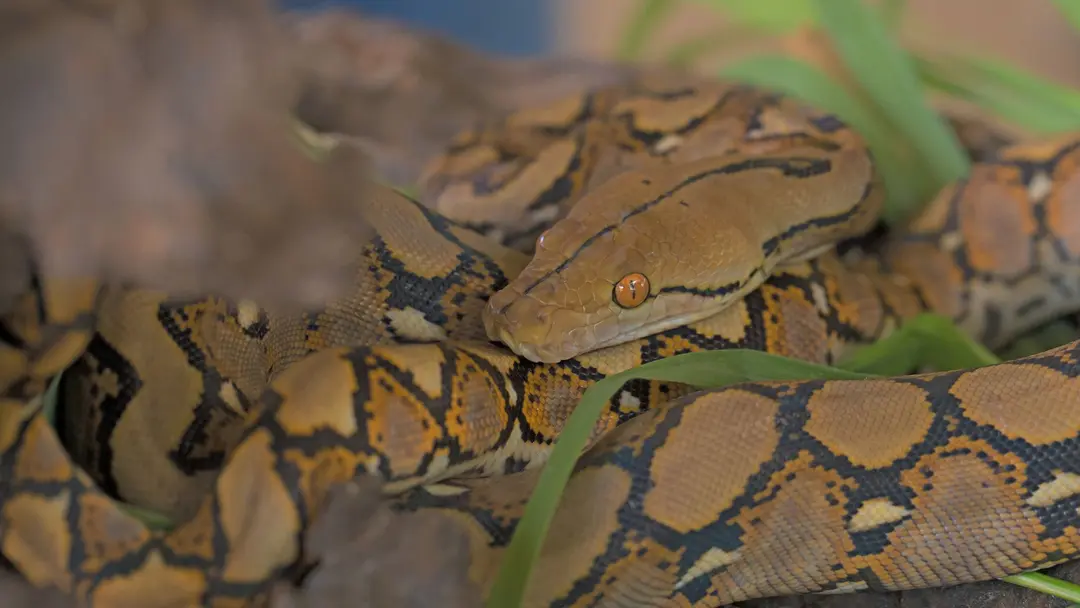
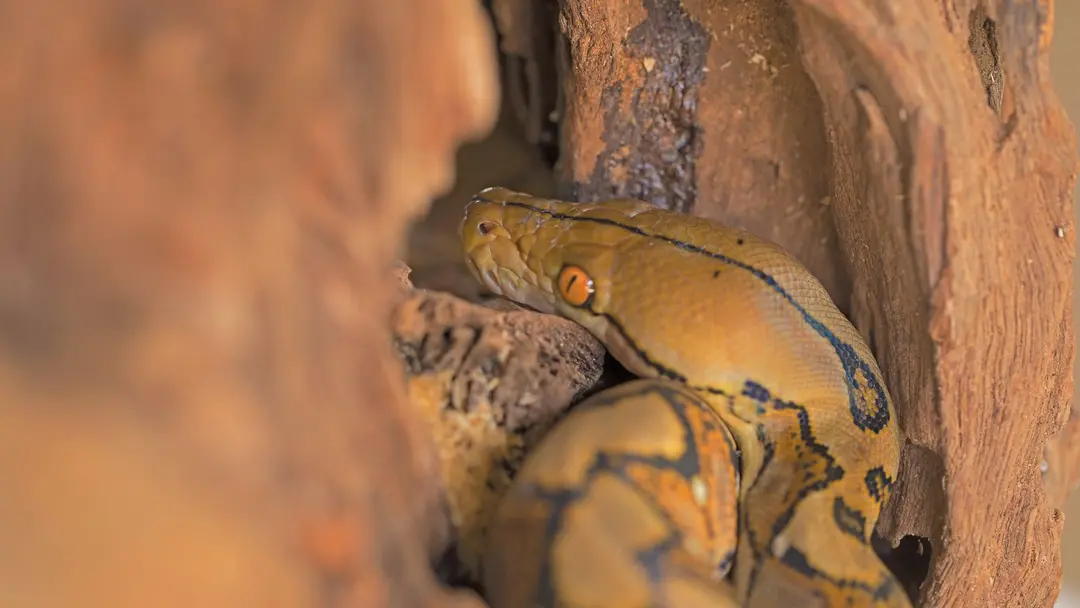
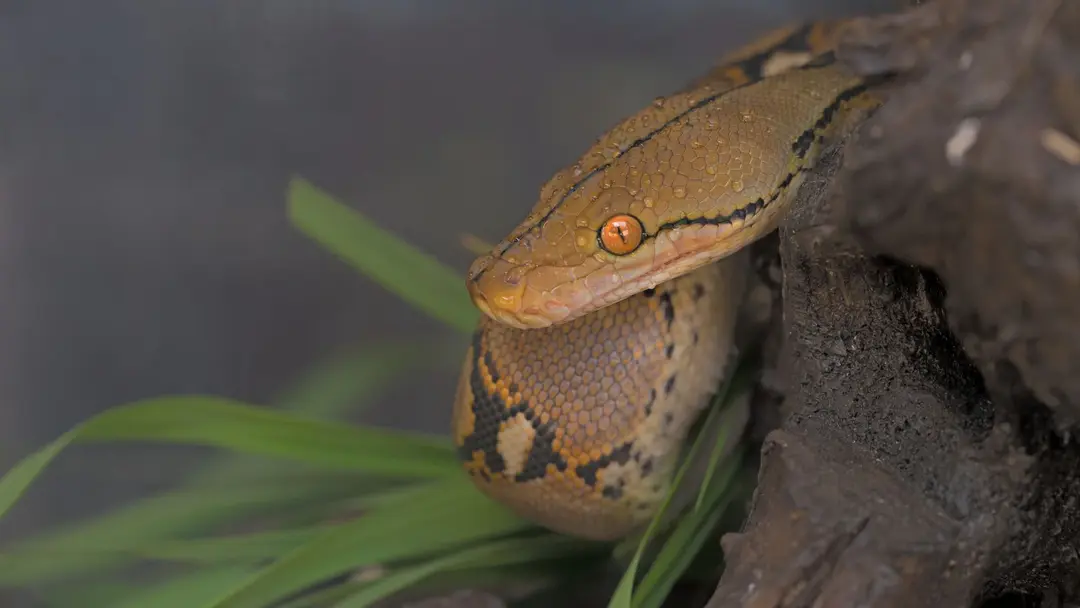
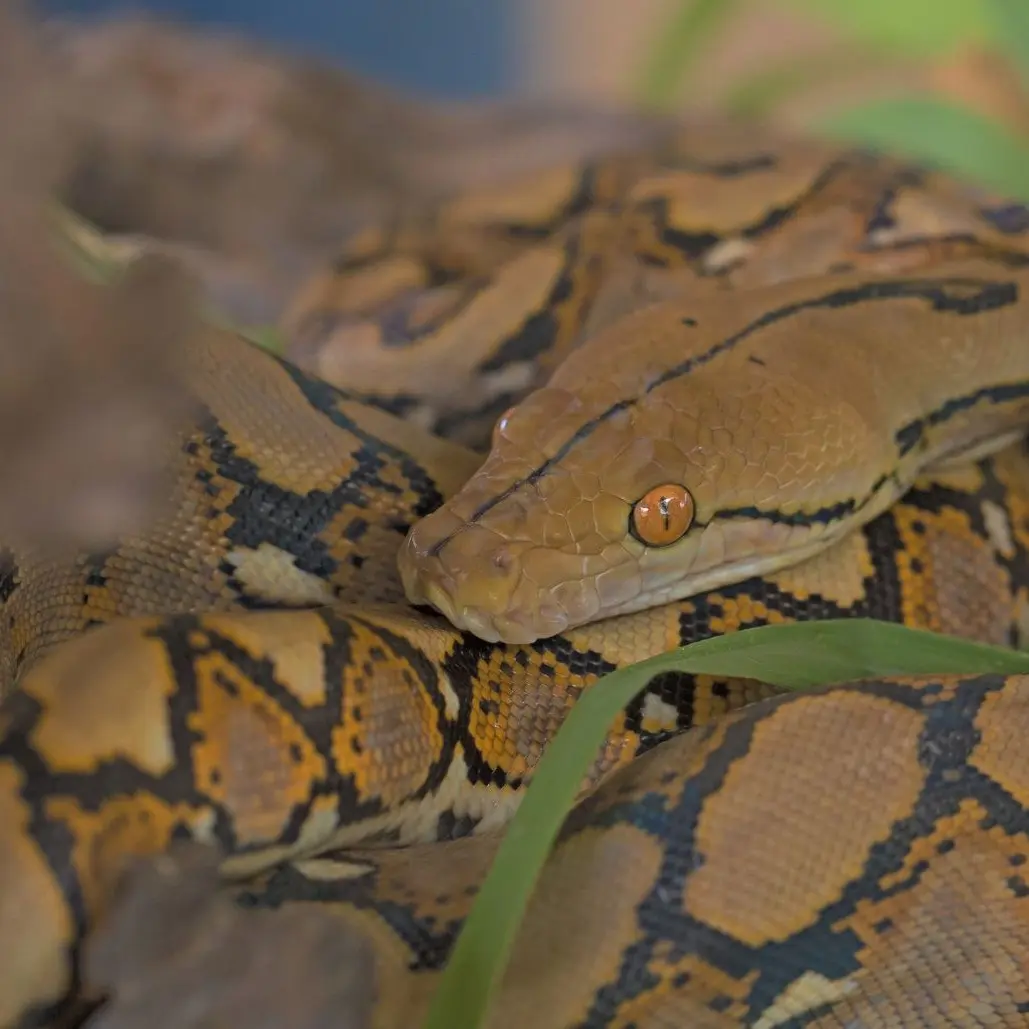
Large non-venomous constrictor snake with brown and cream color patterns.
Added by
Gerardo Venegas
Reviewed by
Under Review
Last modified by
Gerardo Venegas
Other Names (Global)
 Bequer
 Central American BoaBoa constrictoraBécquer
Taxonomy
PhylumChordata
ClassReptilia
OrderSquamata
FamilyBoidae
GenusBoa
Taxonomic AuthorityDaudin, 1803
Ecology & Status
Origin
Native
Population Trend
Stable
Breeding Season
Dry Season
Trophic Role
Carnivore
Recent Sightings
Yes
Habitat Summary Multi-lang
Found in diverse habitats, from humid jungles to semi-arid zones.Behaviour Multi-lang
Solitary and nocturnal; uses constriction to subdue its prey.Social Activity Multi-lang
Mainly solitary, interacting only to reproduce.Feeding Guild Multi-lang
Carnivore. Eats rodents, birds, iguanas, and small mammals.Trophic Chain Details Multi-lang
Regulates small vertebrate populations in neotropical ecosystems.Reproductive Behaviour Multi-lang
Ovoviviparous. Females give birth to fully formed young.Physical Measures
Length (cm)
150.0 - 300.0 cm
Weight (Grams)
5.00 kg - 15.00 kg
Offspring per cycle10 - 60
Sexual DimorphismNo
Lifespan
Sexual Maturity
3 - 5 Years
Gestation / Incubation
4 - 8
Lifespan Estimated
Males20 - 30 Years
Females20 - 30 Years
Evolutionary Adaptations Multi-lang
Prehensile tail that helps it move through tree branches.
Thermosensitive organs in the labial scales that detect the body heat of their prey.
Main Threats Multi-lang
Illegal wildlife trade for the pet market.
Habitat loss due to agricultural and urban expansion.
Interesting Facts Multi-lang
Unlike pythons, boas do not lay eggs; the young are born alive.
They are called 'Bécquer' in some rural areas of Costa Rica.
Image Gallery