
La Cangreja National Park
Parque Nacional La Cangreja
Added by
Anonymous Curator
Reviewed by
Under Review
Last modified by
Julia Trouin
Description
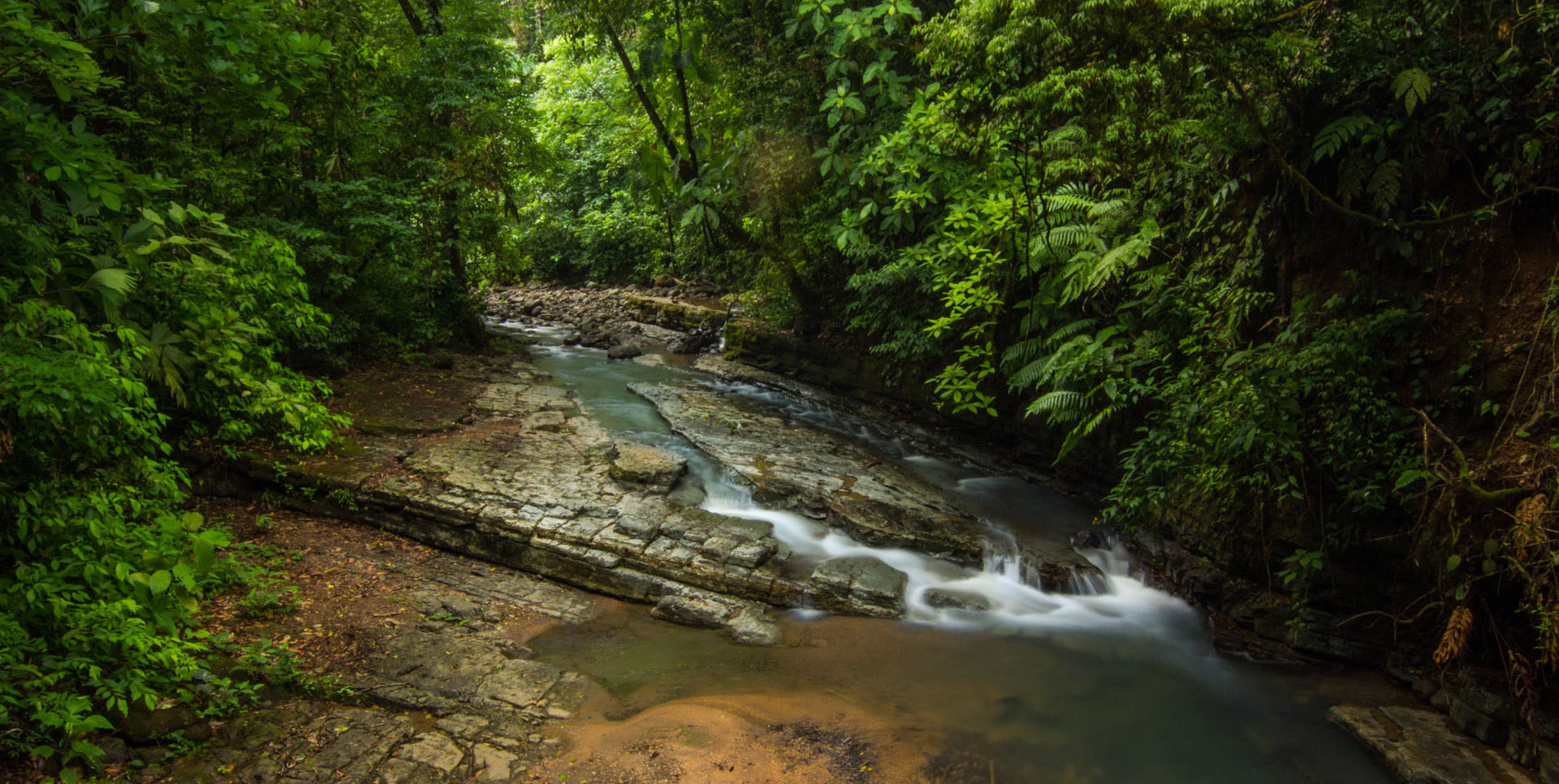
An exceptional biodiversity haven located in Puriscal. La Cangreja is world-famous for harboring the Puriscal or Caraigre tree, an endemic species that exists nowhere else on the planet. Its name comes from the peculiar shape of La Cangreja Hill, which from a distance resembles a giant crab, acting as an island of primary forest surrounded by agricultural areas.
ClassificationAdministrative and legal categories that govern how this area is managed and protected.
HistoryHistorical background, founding story, and timeline of legal protection designation.
Originally declared a Protected Zone in 1987, it was upgraded to National Park status in 2002 to ensure the survival of the Caraigre and protect the last sources of pure water in the Puriscal region. It represents the last stronghold of original forest in an area that suffered intense historical deforestation due to cattle ranching and tobacco farming.
Surface AreaTotal surface area subdivided by terrestrial, marine, and buffer zones in hectares.
Entry FeesEntry fee structure for Costa Rican residents and international visitors, in CRC and USD.
Mandatory card payment. It is recommended to contact local guides in Mastatal to learn the botanical secrets of the Caraigre.
EcosystemsVegetation communities and ecosystem types present within this protected area.
The park protects a tropical very humid forest ecosystem (transition to premontane). It is an area of great water importance where more than 40 water springs originate. Its terrain is rugged, with steep slopes and volcanic soils that support an evergreen forest with trees reaching 40 meters in height.
WildlifeNotable fauna and flora documented through scientific surveys and long-term monitoring.
Home to the Caraigre (Plinia puriscalensis), whose fruit is edible and grows on the trunk. It houses more than 300 species of birds, including trogons, toucans, and the scarlet macaw migrating from Carara. Among mammals, sloths, anteaters, deer, peccaries, and felines like the ocelot and margay are observed. It is a critical site for the preservation of local amphibians and reptiles.
How to Get ThereHow to reach this protected area by road, public bus, boat, or guided tour.
Located in Mastatal, Puriscal. Access is via the route from Santiago de Puriscal towards Mastatal. The road is gravel and steep in several sections; a 4x4 or AWD vehicle is recommended, especially during the heavy rainy season (September-November).
ClimateTypical weather patterns, temperature ranges, and seasonal rainfall affecting this location.
Warm and very humid climate. Temperatures range between 24°C and 32°C. The dry season (January-April) is most recommended for hiking, although the park remains green year-round.
Visitor RegulationsVisitor rules and restrictions designed to protect the natural heritage of this area.
Closed footwear and repellent are mandatory. Taking Caraigre fruits or any other species is not allowed. Pets and single-use plastics are prohibited. You must travel only on authorized trails to avoid accidents with snakes or getting lost in the thicket.
Best Seasons to Visit
Regions
Facilities & ServicesInfrastructure and services available: ranger stations, restrooms, parking, and lodges.
HighlightsDistinctive features and attractions that make this protected area exceptional.
Main ThreatsDocumented pressures reducing the population: habitat loss, hunting, disease, climate change, and invasive species.
- Aislamiento geográfico y difícil acceso
- Caza furtiva esporádica
- Presión de la frontera agrícola
- Deslizamientos en época de lluvias intensas
ConservationActive programs and initiatives working to protect and restore this habitat or area.
- Protección exclusiva a nivel mundial del Caraigre
- Programa de monitoreo de nacientes de agua para Mastatal
- Educación biológica centrada en especies endémicas
- Reforestación de zonas de amortiguamiento