
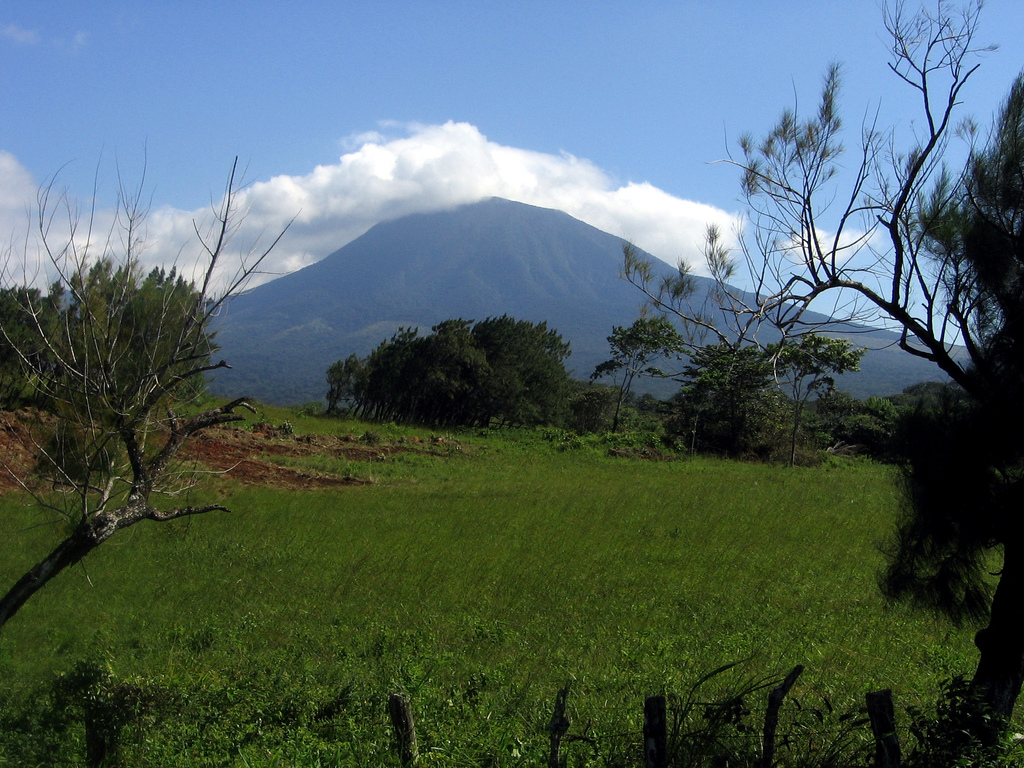
Guanacaste National Park
Parque Nacional Guanacaste
Added by
Anonymous Curator
Reviewed by
Under Review
Last modified by
Julia Trouin
Description
A vital extension of Santa Rosa National Park, created to protect the biological corridors connecting the lowland dry forest with the cloud forests of the Orosi and Cacao volcanoes. This immense altitudinal gradient ensures the survival and migration of thousands of species during seasonal changes.
ClassificationAdministrative and legal categories that govern how this area is managed and protected.
HistoryHistorical background, founding story, and timeline of legal protection designation.
Founded in 1989, its creation was largely driven by Dr. Daniel Janzen with a pioneering vision: to allow the migration of insects, birds, and mammals that need refuge in humid forests when the dry forest loses its leaves. It is a global model for large-scale ecological restoration.
Surface AreaTotal surface area subdivided by terrestrial, marine, and buffer zones in hectares.
Entry FeesEntry fee structure for Costa Rican residents and international visitors, in CRC and USD.
Card payment at the Maritza Station. It is recommended to coordinate in advance with the ACG as certain research stations may be limited exclusively to scientists or volunteers during certain periods.
EcosystemsVegetation communities and ecosystem types present within this protected area.
It harbors an amazing transition of ecosystems. Tropical dry and transitional forests dominate the lower slopes. As you ascend the volcanic slopes, it transforms into a lush tropical rainforest, culminating in mysterious cloud forests at the volcano peaks.
WildlifeNotable fauna and flora documented through scientific surveys and long-term monitoring.
A biodiversity paradise. It is notable for its incredible variety of nocturnal and diurnal butterflies. Home to tapirs, sloths, jaguars, pumas, coatis, and monkeys. Birdwatchers can spot guans, toucans, parrots, and the elusive bellbird in the higher areas.
How to Get ThereHow to reach this protected area by road, public bus, boat, or guided tour.
Main access to the Maritza Biological Station is via the North Inter-American Highway, near the turnoff to Cuajiniquil. The park operates through research-oriented Biological Stations (Maritza, Pitilla, Cacao). To access high stations like Cacao, the use of 4x4 vehicles or long hikes is essential.
ClimateTypical weather patterns, temperature ranges, and seasonal rainfall affecting this location.
Its climate varies greatly depending on altitude. At the base (300 masl), the typical dry heat of Guanacaste is experienced (25°C - 30°C). As you ascend the volcanoes, the temperature drops dramatically (15°C - 20°C), with increasing humidity, wind, and constant cloud cover.
Visitor RegulationsVisitor rules and restrictions designed to protect the natural heritage of this area.
As a park highly focused on scientific research, tourism is low-impact. Some stations require prior reservation with the ACG. Hunting, extracting species, leaving marked trails, and leaving trash are strictly prohibited. Pets are not allowed.
Best Seasons to Visit
Regions
Facilities & ServicesInfrastructure and services available: ranger stations, restrooms, parking, and lodges.
HighlightsDistinctive features and attractions that make this protected area exceptional.
Main ThreatsDocumented pressures reducing the population: habitat loss, hunting, disease, climate change, and invasive species.
- Cambio climático afectando la elevación de las nubes en los volcanes
- Caza furtiva en los linderos del parque
- Incendios forestales en la zona baja de transición
ConservationActive programs and initiatives working to protect and restore this habitat or area.
- Consolidación del corredor biológico altitudinal
- Programa intensivo de investigación e inventario de biodiversidad
- Restauración activa de pastizales hacia bosque tropical