
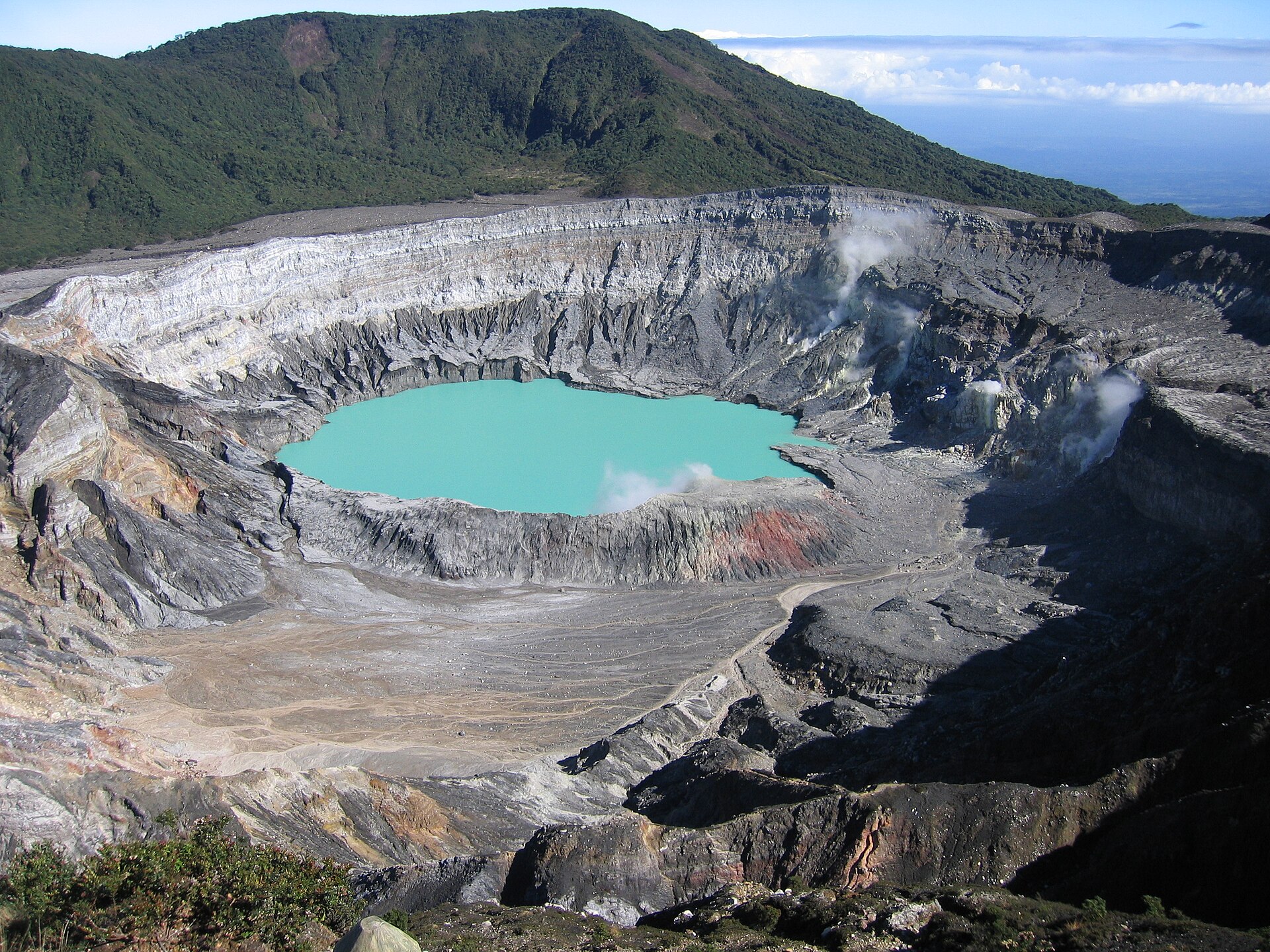
Poas Volcano National Park
Parque Nacional Volcán Poás
Added by
Anonymous Curator
Reviewed by
Under Review
Last modified by
Julia Trouin
Description
One of the most spectacular and accessible volcanoes in the world. It features an immense active main crater with an acidic lagoon and fumaroles, as well as an inactive crater (Botos) that houses a beautiful cold-water lagoon surrounded by cloud forest.
ClassificationAdministrative and legal categories that govern how this area is managed and protected.
HistoryHistorical background, founding story, and timeline of legal protection designation.
Created in 1971, it is one of the pioneer parks of the country's conservation system. After strong eruptions in 2017, the park was closed and underwent a major safety overhaul, reopening with a world-pioneering management model that includes volcanic bomb shelters and real-time gas meters.
Surface AreaTotal surface area subdivided by terrestrial, marine, and buffer zones in hectares.
Entry FeesEntry fee structure for Costa Rican residents and international visitors, in CRC and USD.
ATTENTION! Ticket purchase is EXCLUSIVELY online through the SINAC website. Tickets are NOT sold on-site. You must reserve a specific date and time. Parking is charged by a separate concessionaire on-site.
EcosystemsVegetation communities and ecosystem types present within this protected area.
Highlights include the cloud forest ecosystem and the unique stunted forest (dwarf trees twisted by wind and cold). Near the crater, the vegetation resembles the paramo, adapted to acid rain and volcanic gases. Bromeliads, orchids, and mosses abound.
WildlifeNotable fauna and flora documented through scientific surveys and long-term monitoring.
Home to the endemic Poas squirrel, coyotes, weasels, and armadillos. It is an extraordinary place for birdwatchers, where you can see the resplendent quetzal, the sooty robin, the emerald toucanet, and the peculiar volcano hummingbird, endemic to the high mountains.
How to Get ThereHow to reach this protected area by road, public bus, boat, or guided tour.
Access is extremely easy. You drive on an excellent paved road from Alajuela, passing through Fraijanes, until you reach the park entrance (approx. 50 min from SJO airport). The facilities and the trail to the main crater are 100% wheelchair accessible.
ClimateTypical weather patterns, temperature ranges, and seasonal rainfall affecting this location.
High mountain climate, cold, windy, and very humid. Average temperatures are around 12°C to 15°C but can drop lower with the wind. Fog and drizzle are common. It is recommended to visit early in the morning (8:00 am) for the highest probability of a clear crater.
Visitor RegulationsVisitor rules and restrictions designed to protect the natural heritage of this area.
Mandatory to wear a safety helmet if indicated by SINAC. Time spent at the crater viewpoint is strictly limited to 20 minutes for safety reasons regarding gases. The park may close without prior notice if meters detect high toxicity levels.
Best Seasons to Visit
Regions
Facilities & ServicesInfrastructure and services available: ranger stations, restrooms, parking, and lodges.
HighlightsDistinctive features and attractions that make this protected area exceptional.
Main ThreatsDocumented pressures reducing the population: habitat loss, hunting, disease, climate change, and invasive species.
- Actividad volcánica impredecible
- Gases tóxicos y lluvia ácida
- Saturación turística en temporada alta
ConservationActive programs and initiatives working to protect and restore this habitat or area.
- Sistema de monitoreo volcánico pionero a nivel mundial
- Restricción de aforo de visitantes en tiempo real
- Infraestructura de seguridad adaptada al entorno