
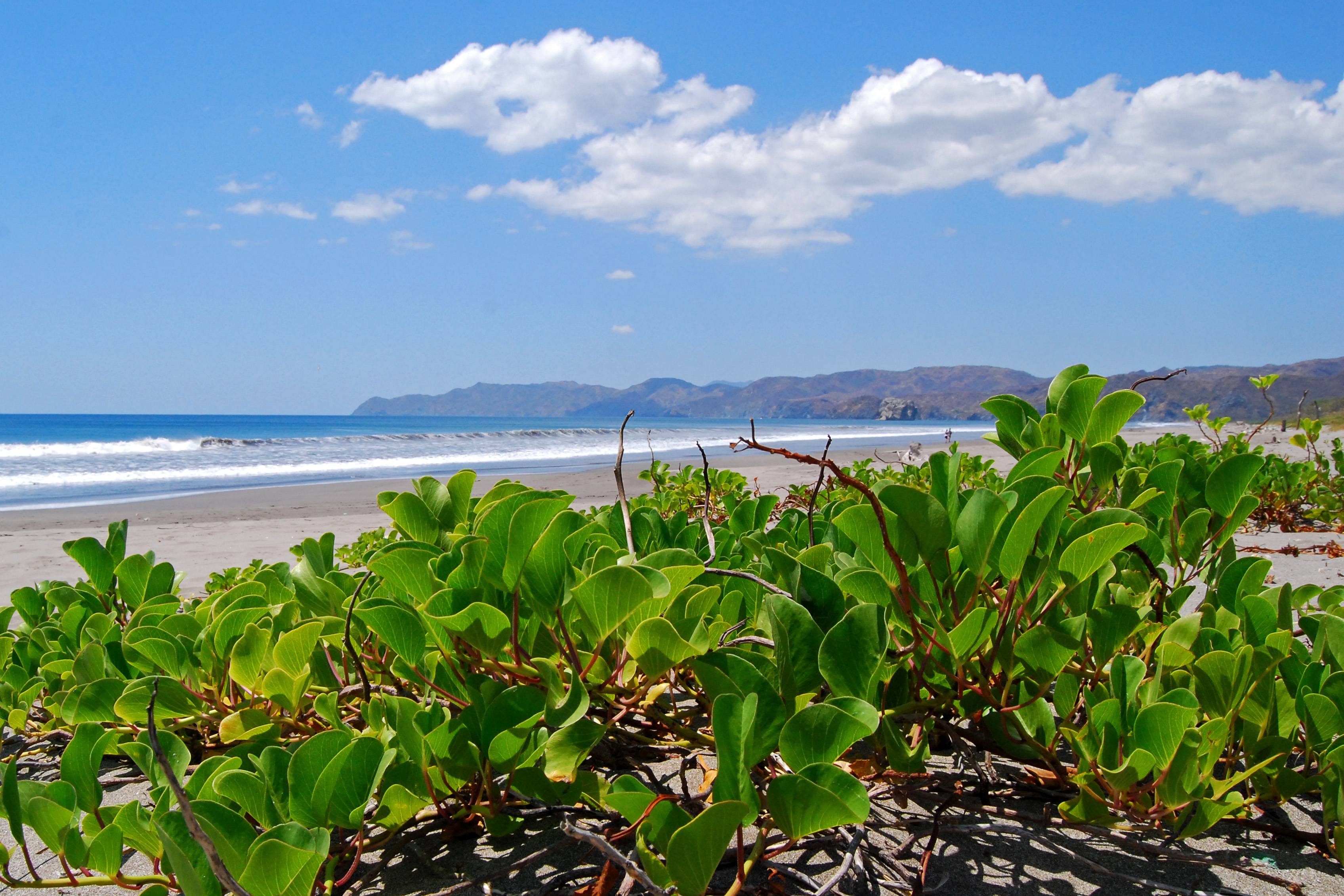
Santa Rosa National Park
Parque Nacional Santa Rosa
Added by
Anonymous Curator
Reviewed by
Under Review
Last modified by
Julia Trouin
Description
Located in the northwest, it is the cradle of conservation in Costa Rica and harbors the oldest and most intact sample of tropical dry forest in Mesoamerica. It protects a vast, biodiversity-rich marine sector and the nation's most revered historical site: La Casona, a symbol of Costa Rican sovereignty.
ClassificationAdministrative and legal categories that govern how this area is managed and protected.
HistoryHistorical background, founding story, and timeline of legal protection designation.
Founded on March 20, 1971, it was the first national park established in Costa Rica. It was originally created to protect the site of the heroic Battle of Santa Rosa (1856), where an army of Costa Rican peasants defeated William Walker's filibusters. The stone corrals and La Casona are living museums of this feat.
Surface AreaTotal surface area subdivided by terrestrial, marine, and buffer zones in hectares.
Entry FeesEntry fee structure for Costa Rican residents and international visitors, in CRC and USD.
Payment is made at the entrance booth and must be made exclusively by debit or credit card. Preferential rates exist for domestic students and senior citizens. Fees regulated by SINAC resolution.
EcosystemsVegetation communities and ecosystem types present within this protected area.
It is a complex ecological mosaic harboring extensive anthropic savannahs and dense patches of regenerating dry forest. Its coasts feature large mangroves, riparian forests, and wetlands. The marine area includes important coral reef systems and marine nutrient upwelling zones.
WildlifeNotable fauna and flora documented through scientific surveys and long-term monitoring.
A crucial sanctuary for the jaguar, puma, white-tailed deer, peccaries, and three monkey species (howler, white-faced capuchin, and spider monkey). Its greatest biological jewel is Nancite Beach, one of the few places in the world where massive 'arribadas' of olive ridley turtles (Lepidochelys olivacea) occur for synchronized nesting.
How to Get ThereHow to reach this protected area by road, public bus, boat, or guided tour.
Main entrance at km 269 of the North Inter-American Highway, 36 km from Liberia. There are 7 paved kilometers to the historic sector. To continue to the coastal sectors (Witch's Rock/Naranjo Beach), a high-clearance 4x4 vehicle is strictly required due to extreme terrain conditions in winter.
ClimateTypical weather patterns, temperature ranges, and seasonal rainfall affecting this location.
Tropical dry climate with an average temperature of 28°C to 30°C. It features an intense dry season from December to April where trees lose their foliage, and a rainy season from May to November that transforms the landscape into an intensely green forest.
Visitor RegulationsVisitor rules and restrictions designed to protect the natural heritage of this area.
Staying on marked trails is mandatory. It is absolutely forbidden to extract flora, fauna, or relics; feed wild animals; bring pets; or light campfires (high forest fire risk). The use of drones is not permitted without special permits from civil aviation and SINAC.
Best Seasons to Visit
Regions
Facilities & ServicesInfrastructure and services available: ranger stations, restrooms, parking, and lodges.
HighlightsDistinctive features and attractions that make this protected area exceptional.
Main ThreatsDocumented pressures reducing the population: habitat loss, hunting, disease, climate change, and invasive species.
- Incendios forestales provocados y naturales durante el verano
- Caza furtiva de mamíferos y recolección ilegal de huevos de tortuga marina
- Impacto del cambio climático en los delicados patrones de precipitación
- Invasión de especies de pastos exóticos (Pasto Jaragua)
ConservationActive programs and initiatives working to protect and restore this habitat or area.
- Programa pionero a nivel mundial en la restauración de bosque seco tropical
- Control preventivo y activo de incendios forestales mediante brigadas especializadas
- Monitoreo científico continuo de las tortugas marinas en el sector de Nancite
- Programa de Educación Biológica (PEB) integrando a las comunidades y escuelas vecinas