
Cocos Island National Park
Parque Nacional Isla del Coco
Added by
Anonymous Curator
Reviewed by
Under Review
Last modified by
Julia Trouin
Description
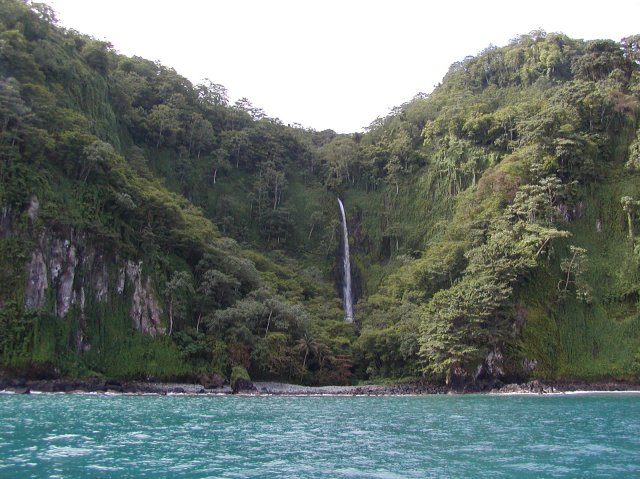
Emerging from the depths of the Pacific like a solitary emerald, Cocos Island is a natural laboratory of incalculable value and a UNESCO World Heritage Site. It is the only island in the Eastern Pacific that possesses a tropical rainforest, fueled by extreme rainfall that generates hundreds of waterfalls cascading directly into the sea. Its waters are world-famous for harboring the densest concentrations of hammerhead sharks and pelagic marine life on the planet.
ClassificationAdministrative and legal categories that govern how this area is managed and protected.
HistoryHistorical background, founding story, and timeline of legal protection designation.
Officially discovered in 1526, the island became a strategic refuge for pirates and privateers of the 17th and 18th centuries, such as Edward Davis and Benito Bonito. Legends of hidden treasures, like the 'Treasure of Lima,' have attracted hundreds of expeditions, including that of Franklin Roosevelt. It was declared a National Park in 1978 to protect not only its mystical history but its unique terrestrial and marine ecosystem that inspired works like 'Treasure Island' and 'Jurassic Park.'
Surface AreaTotal surface area subdivided by terrestrial, marine, and buffer zones in hectares.
Entry FeesEntry fee structure for Costa Rican residents and international visitors, in CRC and USD.
Entrance fees are paid per day of stay in park waters. Generally, collection is managed by the live-aboard companies operating the tour. Nationals pay a reduced rate.
EcosystemsVegetation communities and ecosystem types present within this protected area.
It is the only tropical rainforest ecosystem on an island in the Eastern Pacific. The island features evergreen forests, freshwater swamps, and a vertical geography of impassable cliffs. Underwater, it boasts extensive coral reefs and seamounts that act as cleaning and feeding stations for large oceanic migrators.
WildlifeNotable fauna and flora documented through scientific surveys and long-term monitoring.
A paradise of endemism: the Cocos Island finch, cuckoo, and flycatcher are birds found nowhere else in the world. Underwater, the biodiversity is overwhelming: schools of hundreds of hammerhead sharks, Galapagos sharks, whale sharks, giant mantas, dolphins, turtles, and the iconic tiger shark. Humpback whales and orcas are commonly observed in the surroundings.
How to Get ThereHow to reach this protected area by road, public bus, boat, or guided tour.
Access EXCLUSIVELY by sea in authorized expedition vessels. The journey departs from the port of Puntarenas and takes approximately 36 hours of navigation (550 km offshore). Tours typically last 10 to 12 days, focused primarily on high-level recreational diving.
ClimateTypical weather patterns, temperature ranges, and seasonal rainfall affecting this location.
Extremely humid equatorial climate. It rains torrentially almost every day of the year (over 7,000 mm annually). Temperatures are warm (24°C - 30°C). Water visibility is best from January to May, although the most abundant marine life is often seen during the rainy months.
Visitor RegulationsVisitor rules and restrictions designed to protect the natural heritage of this area.
Camping or overnight stays on the island are PROHIBITED (only allowed for rangers and scientists). Visitors must sleep on their vessels. Extracting any object (shells, stones, species) is forbidden. Fishing is strictly prohibited within a 12-nautical-mile radius. Diving requires advanced certifications due to strong currents and depths.
Best Seasons to Visit
Regions
Facilities & ServicesInfrastructure and services available: ranger stations, restrooms, parking, and lodges.
HighlightsDistinctive features and attractions that make this protected area exceptional.
Main ThreatsDocumented pressures reducing the population: habitat loss, hunting, disease, climate change, and invasive species.
- Pesca ilegal a gran escala (Palangre)
- Especies invasoras (Cerdos, venados y ratas que dañan la flora endémica)
- Blanqueamiento de corales por aumento de temperatura
ConservationActive programs and initiatives working to protect and restore this habitat or area.
- Radar de vigilancia marina de largo alcance
- Programa de control de especies invasoras
- Expediciones científicas permanentes (DeepSee)
- Restauración de arrecifes de coral