
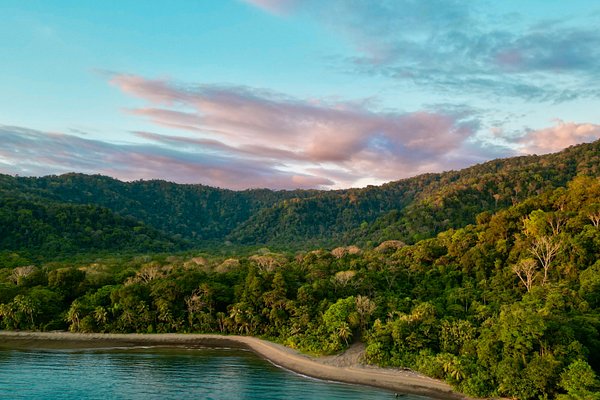
Piedras Blancas National Park
Parque Nacional Piedras Blancas
Added by
Anonymous Curator
Reviewed by
Under Review
Last modified by
Julia Trouin
Description
A virgin jungle sanctuary located in front of the majestic Golfo Dulce. Piedras Blancas protects one of the world's most important stretches of tropical very humid forest, acting as a crucial biological corridor connecting to Corcovado. It is a place of raw beauty, where mountains covered in dense vegetation drop steeply into the sea, creating tropical fjord landscapes unique in the Americas.
ClassificationAdministrative and legal categories that govern how this area is managed and protected.
HistoryHistorical background, founding story, and timeline of legal protection designation.
Originally part of Corcovado National Park (known as the Esquinas Sector), it was declared an independent park in 1991 to better focus protection efforts against logging and poaching. Its consolidation was achieved through significant international campaigns, notably the support of Austrian organizations that helped purchase private lands to return them to the state.
Surface AreaTotal surface area subdivided by terrestrial, marine, and buffer zones in hectares.
Entry FeesEntry fee structure for Costa Rican residents and international visitors, in CRC and USD.
Mandatory card payment. Access is usually arranged through nearby private lodges or directly at the ranger station in La Gamba.
EcosystemsVegetation communities and ecosystem types present within this protected area.
The park consists of lowland evergreen tropical very humid forest. It features rugged geology with deep valleys and crystal-clear rivers flowing into Golfo Dulce. It includes mangrove ecosystems and coastal zones where the jungle interacts directly with the gulf's marine life.
WildlifeNotable fauna and flora documented through scientific surveys and long-term monitoring.
It is one of the best birdwatching spots in southern Costa Rica, with species such as scarlet macaws, toucans, and the endemic yellow-billed cotinga. It is a refuge for the country's five felines, tapirs, and peccaries. In the gulf waters off the park, dolphins, humpback whales, and whale sharks are seen in season.
How to Get ThereHow to reach this protected area by road, public bus, boat, or guided tour.
Access is primarily by sea from Golfito or Puerto Jimenez, which ensures its pristine state. By land, entry is through the La Gamba sector (near Golfito) via a gravel road that requires a 4x4 vehicle, especially during the rainy season.
ClimateTypical weather patterns, temperature ranges, and seasonal rainfall affecting this location.
Extremely humid and hot (26°C - 33°C). It rains copiously most of the year. The short dry season (January to March) is ideal for long hikes, although the forest is best enjoyed in its vibrant rainy state.
Visitor RegulationsVisitor rules and restrictions designed to protect the natural heritage of this area.
Mandatory to travel with an authorized guide due to the jungle's density and risk of disorientation. Prohibited to extract any type of natural or archaeological resource. It is recommended to wear quick-dry clothing, hiking boots, and bring plenty of water. Entry of pets is prohibited.
Best Seasons to Visit
Regions
Facilities & ServicesInfrastructure and services available: ranger stations, restrooms, parking, and lodges.
HighlightsDistinctive features and attractions that make this protected area exceptional.
Main ThreatsDocumented pressures reducing the population: habitat loss, hunting, disease, climate change, and invasive species.
- Tala ilegal de madera fina
- Cacería de mamíferos grandes
- Aislamiento logístico para patrullajes
ConservationActive programs and initiatives working to protect and restore this habitat or area.
- Corredor biológico AMISTOSA (Amistad-Oosa)
- Investigación científica en conjunto con Austria (Rainforest of the Austrians)
- Control de caza furtiva con la comunidad de La Gamba