
Tortuguero National Park
Parque Nacional Tortuguero
Added by
Anonymous Curator
Reviewed by
Under Review
Last modified by
Julia Trouin
Description
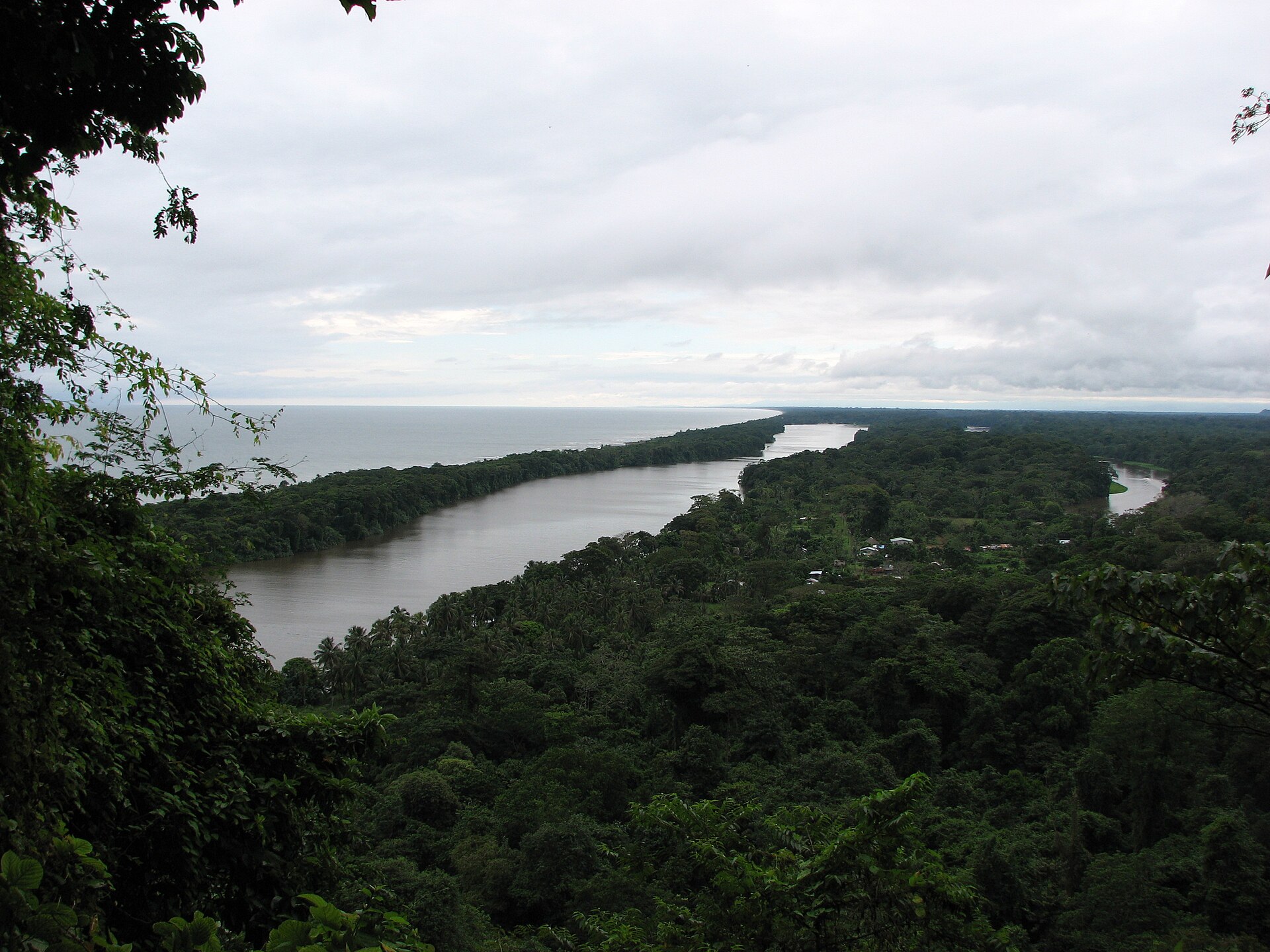
Known worldwide as the 'Amazon of Costa Rica', Tortuguero is a vast floodplain composed of an intricate network of navigable lagoons and canals surrounded by dense tropical jungle. It is the most important site in the western half of the Caribbean for the nesting of the green sea turtle (Chelonia mydas), offering an incomparable natural spectacle.
ClassificationAdministrative and legal categories that govern how this area is managed and protected.
HistoryHistorical background, founding story, and timeline of legal protection designation.
Established in 1970 thanks to the pioneering efforts of biologist Dr. Archie Carr, who dedicated his life to studying and protecting sea turtles. Its creation stopped the indiscriminate hunting of turtles and logging in the region, turning a small fishing and logging village into a global benchmark for ecotourism and community conservation.
Surface AreaTotal surface area subdivided by terrestrial, marine, and buffer zones in hectares.
Entry FeesEntry fee structure for Costa Rican residents and international visitors, in CRC and USD.
The entrance ticket (online payment) allows navigation through the canals and walking on the El Jaguar trail. Night turtle tours require the payment of additional fees directly to the Local Guides Association.
EcosystemsVegetation communities and ecosystem types present within this protected area.
It protects very humid tropical forests, swamps formed by the Yolillo palm, mangroves, uninterrupted coastal beaches, and a vast marine sector. The park's dynamics are dictated by water, with canals varying in flow according to precipitation, forming highly productive riparian ecosystems.
WildlifeNotable fauna and flora documented through scientific surveys and long-term monitoring.
A key site for the jaguar, which has adapted its diet to hunt turtles on the beach. Refuge for the Antillean manatee, three monkey species, crocodiles, caimans, sloths, and basilisks (Jesus Christ lizards). During the nesting season, it hosts thousands of green sea turtles, as well as leatherbacks and hawksbills. Its birdlife includes toucans, great green macaws, and various herons.
How to Get ThereHow to reach this protected area by road, public bus, boat, or guided tour.
There are no roads to Tortuguero. Main access is by boat, departing from the La Pavona dock (Guapiles) or from the port of Moín (Limón). The trip through the canals takes 1 to 3 hours and is a safari in itself. There is also a small airstrip for domestic flights from San Jose.
ClimateTypical weather patterns, temperature ranges, and seasonal rainfall affecting this location.
Tropical very humid climate year-round. Temperatures range between 25°C and 32°C. Unlike the rest of the country, the driest months in the Caribbean are September and October. The main green sea turtle nesting season runs from July to October.
Visitor RegulationsVisitor rules and restrictions designed to protect the natural heritage of this area.
Swimming in the ocean is prohibited due to strong rip currents and the presence of sharks. Night tours to see turtle nesting must mandatorily be done with a local certified guide; using white flashlights, taking photographs (even without flash), and wearing light-colored clothing is strictly prohibited. Navigation is regulated by speed limits in the canals.
Best Seasons to Visit
Regions
Facilities & ServicesInfrastructure and services available: ranger stations, restrooms, parking, and lodges.
HighlightsDistinctive features and attractions that make this protected area exceptional.
Main ThreatsDocumented pressures reducing the population: habitat loss, hunting, disease, climate change, and invasive species.
- Expansión de la frontera agrícola (piña y banano) en los límites
- Caza furtiva de tortugas y recolección de huevos
- Contaminación del agua por agroquímicos arrastrados por los ríos
ConservationActive programs and initiatives working to protect and restore this habitat or area.
- Programa de rastreo satelital de tortugas (Sea Turtle Conservancy)
- Monitoreo del Jaguar (Proyecto Jaguar)
- Involucramiento activo de la comunidad en operaciones turísticas controladas