
Irazu Volcano National Park
Parque Nacional Volcán Irazú
Added by
Anonymous Curator
Reviewed by
Under Review
Last modified by
Julia Trouin
Description
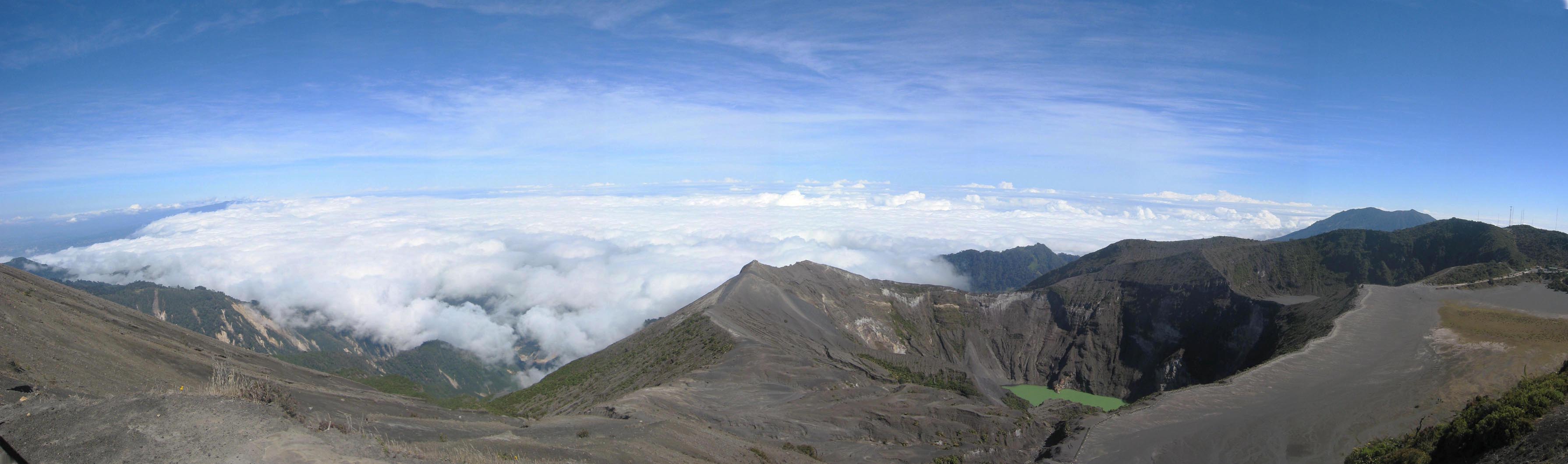
The highest volcano in Costa Rica (3,432 masl), famous for its lunar landscape and the stunning emerald green lagoon in its main crater. On clear days, it is possible to see both the Pacific Ocean and the Caribbean Sea from its summit.
ClassificationAdministrative and legal categories that govern how this area is managed and protected.
HistoryHistorical background, founding story, and timeline of legal protection designation.
Created in 1955. It became world-famous when it began an intense ash eruption in 1963, on the exact day US President John F. Kennedy visited Costa Rica, an activity that lasted until 1965.
Surface AreaTotal surface area subdivided by terrestrial, marine, and buffer zones in hectares.
Entry FeesEntry fee structure for Costa Rican residents and international visitors, in CRC and USD.
Entry is exclusively by advance online purchase on the SINAC website. There are no ticket sales at the physical park entrance.
EcosystemsVegetation communities and ecosystem types present within this protected area.
It protects areas of subalpine paramo and high-altitude cloud forest. Near the craters, vegetation is scarce due to acidity and ashes, creating a unique desolate ecosystem.
WildlifeNotable fauna and flora documented through scientific surveys and long-term monitoring.
Wildlife is scarce at the summit, but foxes, coyotes, armadillos, and endemic birds like the volcano junco and volcano hummingbird can be seen. Coatis often approach tourists.
How to Get ThereHow to reach this protected area by road, public bus, boat, or guided tour.
Excellent access via a fully paved road all the way to the crater, about 31 km from the city of Cartago. It is the most easily accessible national park from the Greater Metropolitan Area.
ClimateTypical weather patterns, temperature ranges, and seasonal rainfall affecting this location.
Very cold, humid, and windy climate. Temperatures range between 5°C and 15°C, with possible frost. Fog can cover the crater in minutes; early morning visits are recommended.
Visitor RegulationsVisitor rules and restrictions designed to protect the natural heritage of this area.
It is mandatory to stay behind the railings. Descending into the craters is prohibited. Do not feed the wild coatis (dangerous for them and you). Bring appropriate warm clothing; the weather is extreme.
Best Seasons to Visit
Regions
Facilities & ServicesInfrastructure and services available: ranger stations, restrooms, parking, and lodges.
HighlightsDistinctive features and attractions that make this protected area exceptional.
Main ThreatsDocumented pressures reducing the population: habitat loss, hunting, disease, climate change, and invasive species.
- Alimentación de animales silvestres por parte de visitantes
- Vandalismo en infraestructura y barreras de seguridad
- Emisiones de gases volcánicos corrosivos
ConservationActive programs and initiatives working to protect and restore this habitat or area.
- Monitoreo volcánico constante (OVSICORI y RSN)
- Rotulación y campañas de educación para no alimentar la fauna
- Mejora continua de la infraestructura para resistir la ceniza y acidez