
Barra Honda National Park
Parque Nacional Barra Honda
Added by
Anonymous Curator
Reviewed by
Under Review
Last modified by
Julia Trouin
Description
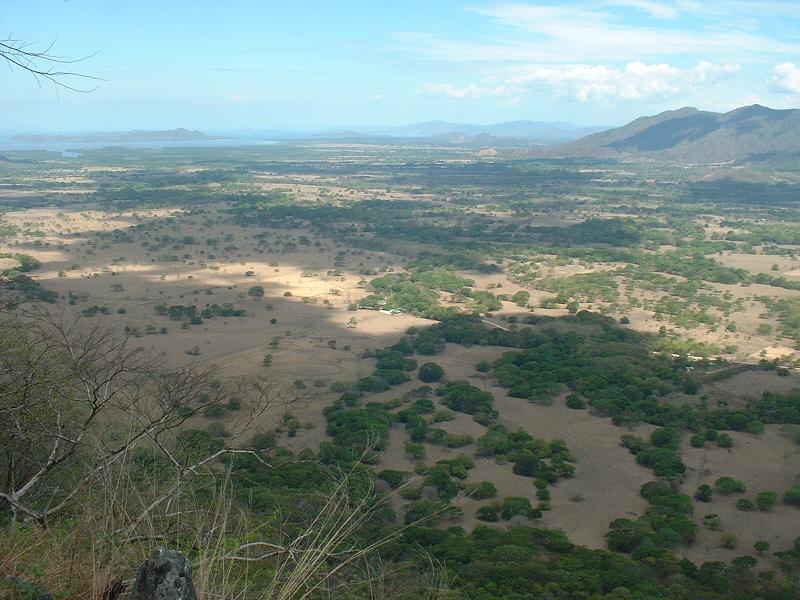
Famous for its intricate system of limestone caves, this park offers a unique underground experience in Costa Rica. Above ground, it protects an important patch of tropical dry forest on the Nicoya Peninsula, featuring spectacular viewpoints overlooking the Gulf of Nicoya.
ClassificationAdministrative and legal categories that govern how this area is managed and protected.
HistoryHistorical background, founding story, and timeline of legal protection designation.
Created in 1974 to protect geological formations of stalactites and stalagmites that took millions of years to form. The caves were scientifically discovered in the 1960s, though they were known to local residents. It is a key site for regional speleology and archaeology.
Surface AreaTotal surface area subdivided by terrestrial, marine, and buffer zones in hectares.
Entry FeesEntry fee structure for Costa Rican residents and international visitors, in CRC and USD.
Park admission does not include the cave tour. The guide service and speleology equipment have an additional cost charged by the local guides' association. It is recommended to book the tour in advance.
EcosystemsVegetation communities and ecosystem types present within this protected area.
Dominated by tropical dry forest, the park features flora adapted to water scarcity in summer. Its hills of marine origin (ancient coral reefs from 60 million years ago) house the network of caves that is the core of the protected ecosystem.
WildlifeNotable fauna and flora documented through scientific surveys and long-term monitoring.
Home to typical dry forest fauna such as white-tailed deer, coatis, raccoons, and white-faced monkeys. It is especially notable for its colonies of bats that inhabit the caves and for birds like the white-throated magpie-jay and trogons.
How to Get ThereHow to reach this protected area by road, public bus, boat, or guided tour.
Located about 22 km from the city of Nicoya. Land access is viable for all types of vehicles in the dry season, though caution is recommended on the last few kilometers of gravel road. For descending into the caves, a certified guide and special equipment provided at the park are required.
ClimateTypical weather patterns, temperature ranges, and seasonal rainfall affecting this location.
Tropical dry climate with temperatures ranging between 24°C and 34°C. The best time to explore the caves is summer (December to April) to avoid water seepage and enjoy dry trails.
Visitor RegulationsVisitor rules and restrictions designed to protect the natural heritage of this area.
Descending into the caves is prohibited for individuals with heart problems, claustrophobia, or severe asthma. The use of a helmet and harness is mandatory to enter the Terciopelo cave. It is forbidden to touch limestone formations, extract minerals, or disturb bats.
Best Seasons to Visit
Regions
Facilities & ServicesInfrastructure and services available: ranger stations, restrooms, parking, and lodges.
HighlightsDistinctive features and attractions that make this protected area exceptional.
Main ThreatsDocumented pressures reducing the population: habitat loss, hunting, disease, climate change, and invasive species.
- Vandalismo en formaciones de cavernas
- Incendios forestales en el área circundante
- Erosión de senderos por escorrentía
ConservationActive programs and initiatives working to protect and restore this habitat or area.
- Programa de espeleología segura y sostenible
- Monitoreo de poblaciones de murciélagos
- Protección de nacientes de agua locales