
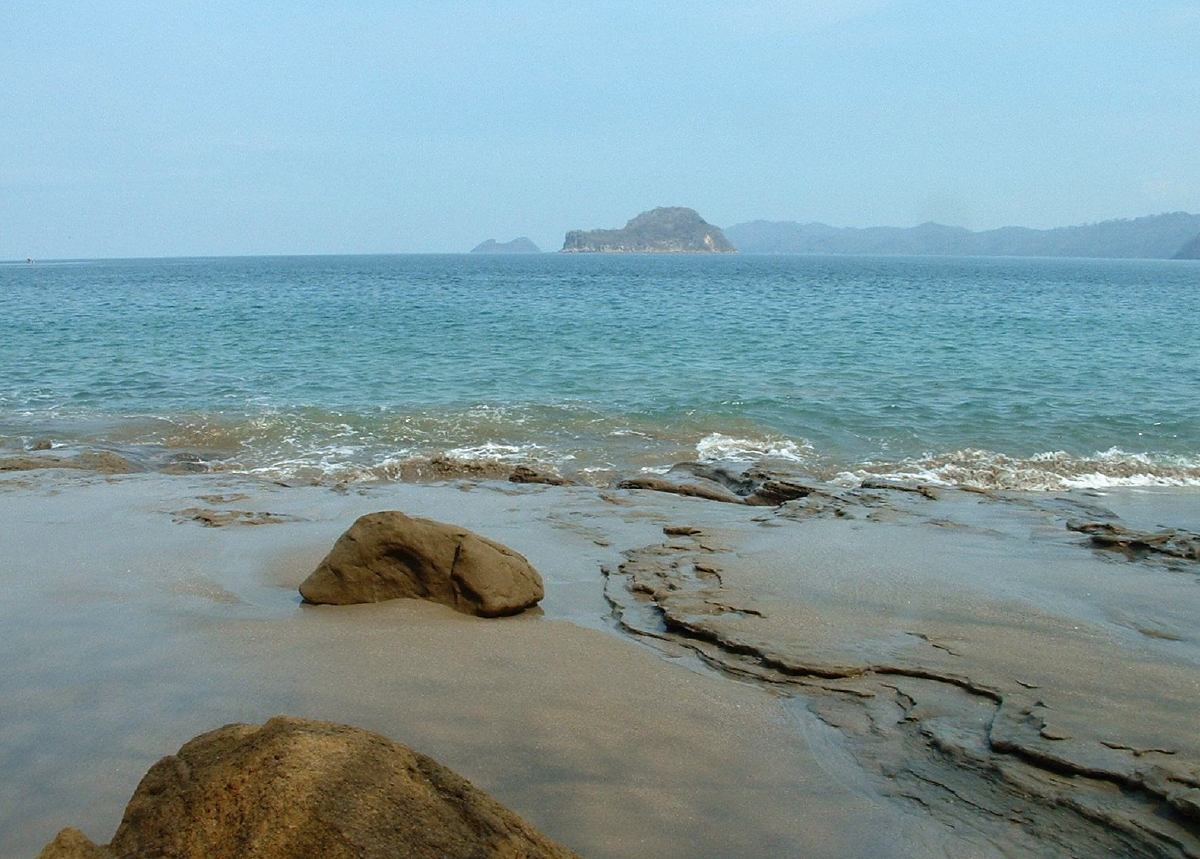
Bahia Junquillal Wildlife Refuge
Refugio Nacional de Vida Silvestre Bahía Junquillal
Added by
Anonymous Curator
Reviewed by
Under Review
Last modified by
Julia Trouin
Description
A coastal paradise of calm, crystal-clear waters, awarded the Ecological Blue Flag. It is famous for being one of the most beautiful and safest camping sites in Costa Rica, combining the beauty of a pristine bay with a patch of excellently conserved tropical dry forest.
ClassificationAdministrative and legal categories that govern how this area is managed and protected.
HistoryHistorical background, founding story, and timeline of legal protection designation.
Originally, these lands belonged to a private company. In 1995, through a conservation effort, the area was incorporated into the ACG to protect the mangroves, coastal forest, and important sea turtle nesting sites. Since then, it has been a model for low-impact recreation.
Surface AreaTotal surface area subdivided by terrestrial, marine, and buffer zones in hectares.
Entry FeesEntry fee structure for Costa Rican residents and international visitors, in CRC and USD.
The right to camp has an additional cost to the general admission (usually $2 for nationals and $4 for foreigners per night). Card payment only. Fees established by SINAC.
EcosystemsVegetation communities and ecosystem types present within this protected area.
The refuge protects a small but vital extension of tropical dry forest and coastal transitional forest. It features mangroves at the mouths of local rivers and marine rock formations that serve as reefs for spawning and sheltering fish and crustaceans.
WildlifeNotable fauna and flora documented through scientific surveys and long-term monitoring.
An excellent site for wildlife observation without trekking deep into the jungle. Visitors can see brown pelicans, frigatebirds, yellow-naped parrots, howler and white-faced monkeys, raccoons, coatis, white-tailed deer, and sea turtles (olive ridley, hawksbill, and black) nesting on the beach.
How to Get ThereHow to reach this protected area by road, public bus, boat, or guided tour.
Access is very easy. Located 4 kilometers from the community of Cuajiniquil. The final stretch is a short gravel road in good condition, passable year-round for sedans and two-wheel drive vehicles. There is ample parking a few meters from the beach.
ClimateTypical weather patterns, temperature ranges, and seasonal rainfall affecting this location.
Very hot and dry climate for most of the year (28°C - 34°C). During the dry season (December to April), the sea is exceptionally calm and transparent. In winter, there are afternoon rains, but the place retains its peaceful charm.
Visitor RegulationsVisitor rules and restrictions designed to protect the natural heritage of this area.
As a wildlife refuge, the golden rule is not to disturb the ecosystem. Prohibited: pets, sound equipment, extracting shells or marine animals, using motorized vehicles on the sand, and unregulated sport fishing. During nesting season, respect for the turtles is absolute.
Best Seasons to Visit
Regions
Facilities & ServicesInfrastructure and services available: ranger stations, restrooms, parking, and lodges.
HighlightsDistinctive features and attractions that make this protected area exceptional.
Main ThreatsDocumented pressures reducing the population: habitat loss, hunting, disease, climate change, and invasive species.
- Generación de basura o descuido de campistas
- Alimentación de animales silvestres por parte del turismo (mapaches y pizotes dependientes)
- Robo de huevos de tortuga en zonas sin patrullaje
ConservationActive programs and initiatives working to protect and restore this habitat or area.
- Programa de reciclaje y Bandera Azul Ecológica permanente
- Charlas de concientización para campistas al ingresar
- Monitoreo costero para la protección de nidos de tortuga