
Karst Caves and Caverns
Added by
Anonymous Curator
Reviewed by
Under Review
Last modified by
Julia Trouin
Detailed Description
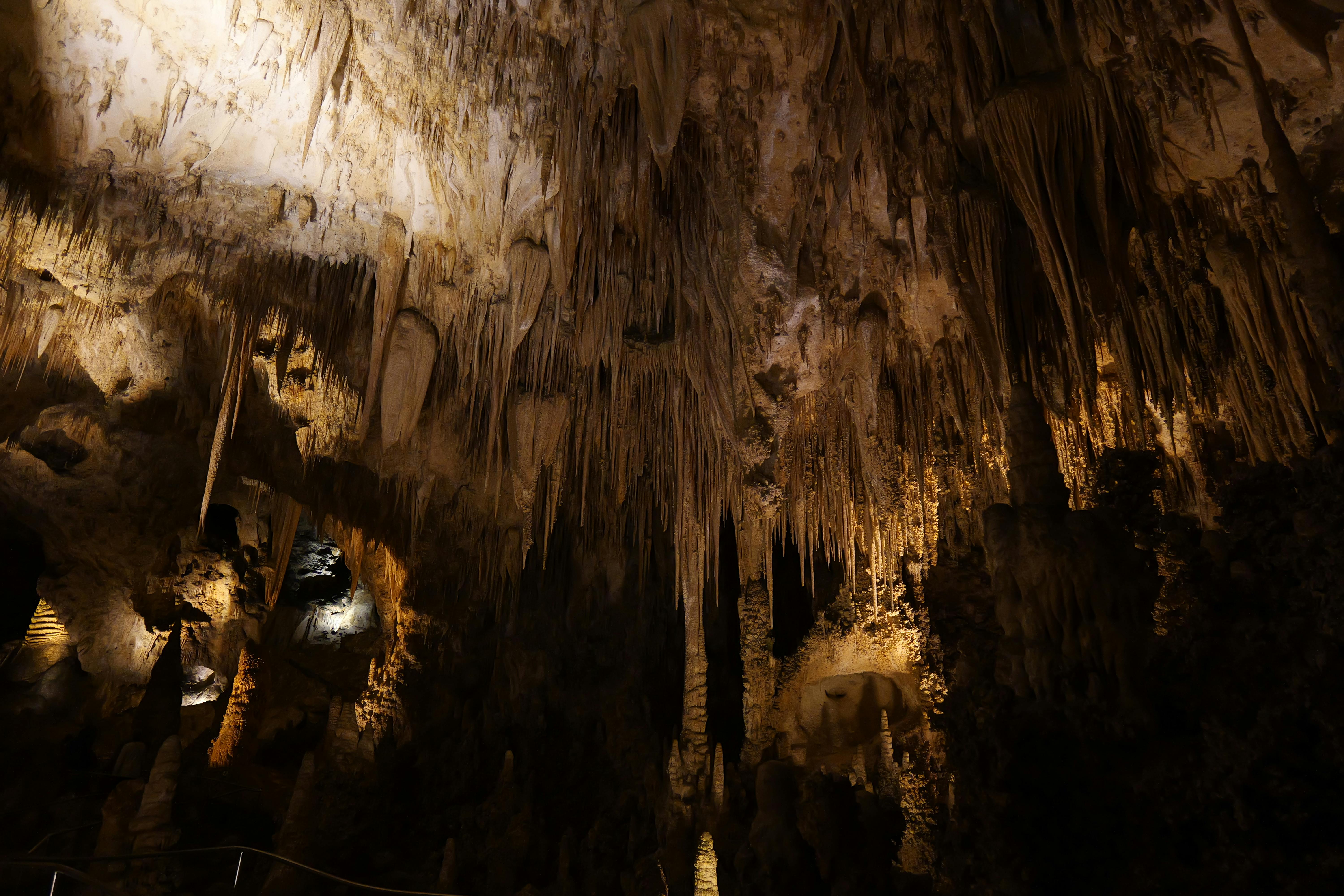
Karst caves and caverns are subterranean ecosystems primarily formed by the chemical weathering of carbonate rocks (limestone). In Costa Rica, systems such as Barra Honda and Venado are geological monuments that house spectacular formations of stalactites, stalagmites, and columns. These habitats are characterized by the total absence of light, which has given rise to a unique fauna called troglobites, composed of blind and depigmented species that depend on organic matter transported from the surface. In addition to their biological and geological value, these caverns are time capsules that preserve invaluable paleontological and archaeological records, functioning as natural aquifers that store and purify groundwater.
Climate Metrics
Basic Identification
Locations in Costa RicaGeographic regions of Costa Rica where this habitat or species has been documented.
Best Season to VisitBest times of year to visit or observe this area at its most biodiverse.
Climate & EnvironmentTypical weather patterns, temperature ranges, and seasonal rainfall affecting this location.
Extremely stable microclimate. The temperature inside the cavern remains constant year-round, reflecting the annual average of the surface. Relative humidity is usually near 100%, favoring the growth of speleothems.