
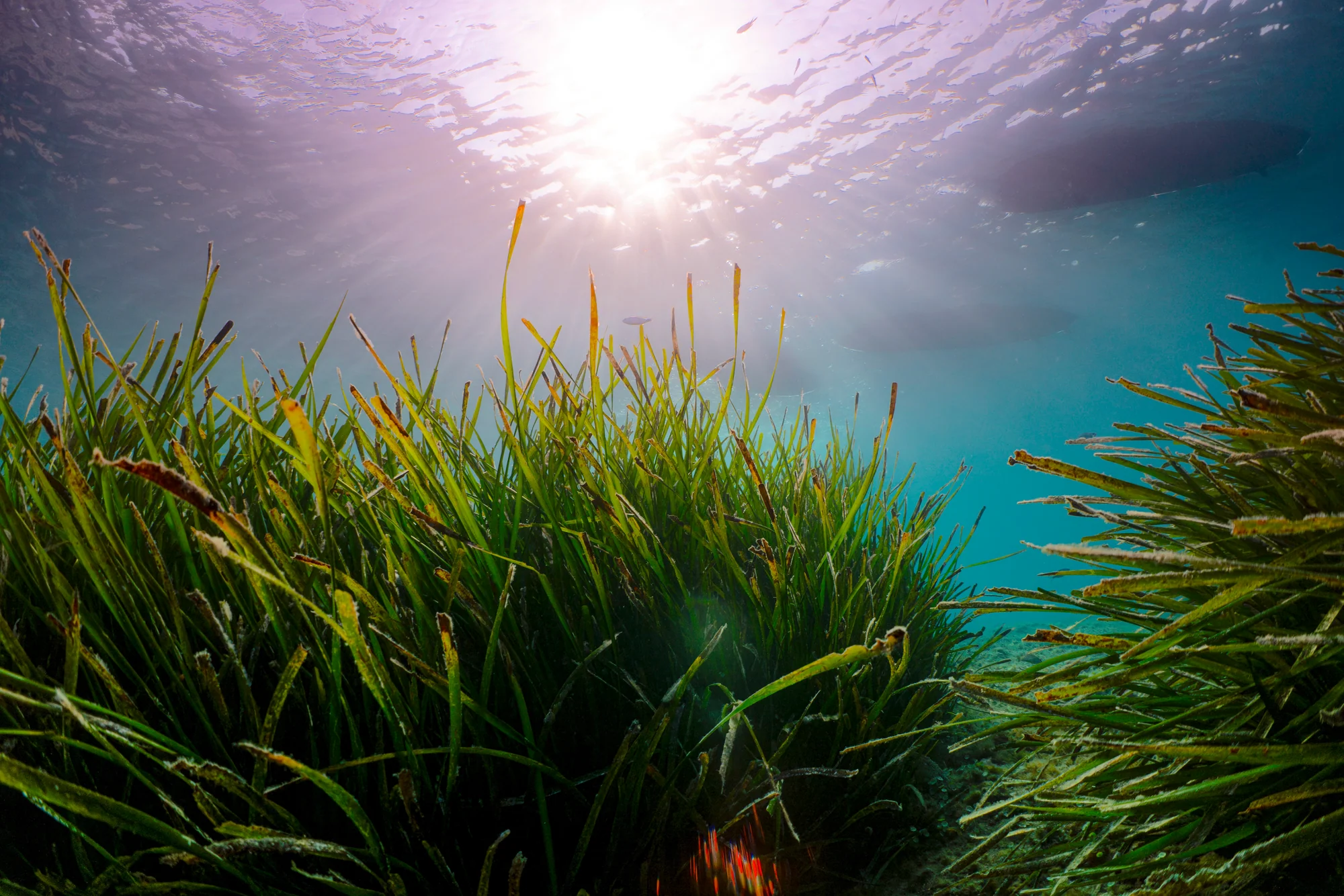
Seagrasses
Added by
Anonymous Curator
Reviewed by
Under Review
Last modified by
Gerardo Venegas
Detailed Description
Seagrasses are critical marine ecosystems composed of angiosperm plants that have evolved to colonize the saline underwater environment. Unlike algae, these grasses possess roots, stems, flowers, and produce seeds. In Costa Rica, they are mainly located in the Southern Caribbean (Cahuita and Gandoca-Manzanillo) and in specific Pacific patches such as Golfo Dulce. They function as ecosystem engineers, stabilizing seafloor sediments with their dense rhizome networks and filtering nutrients from the water. They are the primary foraging site for the green sea turtle (Chelonia mydas) and the Caribbean manatee, as well as being extremely efficient Blue Carbon sinks that help mitigate the effects of the global climate crisis.
Climate Metrics
Basic Identification
Locations in Costa RicaGeographic regions of Costa Rica where this habitat or species has been documented.
Best Season to VisitBest times of year to visit or observe this area at its most biodiverse.
Climate & EnvironmentTypical weather patterns, temperature ranges, and seasonal rainfall affecting this location.
Marine tropical climate with high solar incidence. Seagrasses require clear, shallow waters to perform photosynthesis efficiently. They are vulnerable to excessive water turbidity caused by terrestrial runoff.