
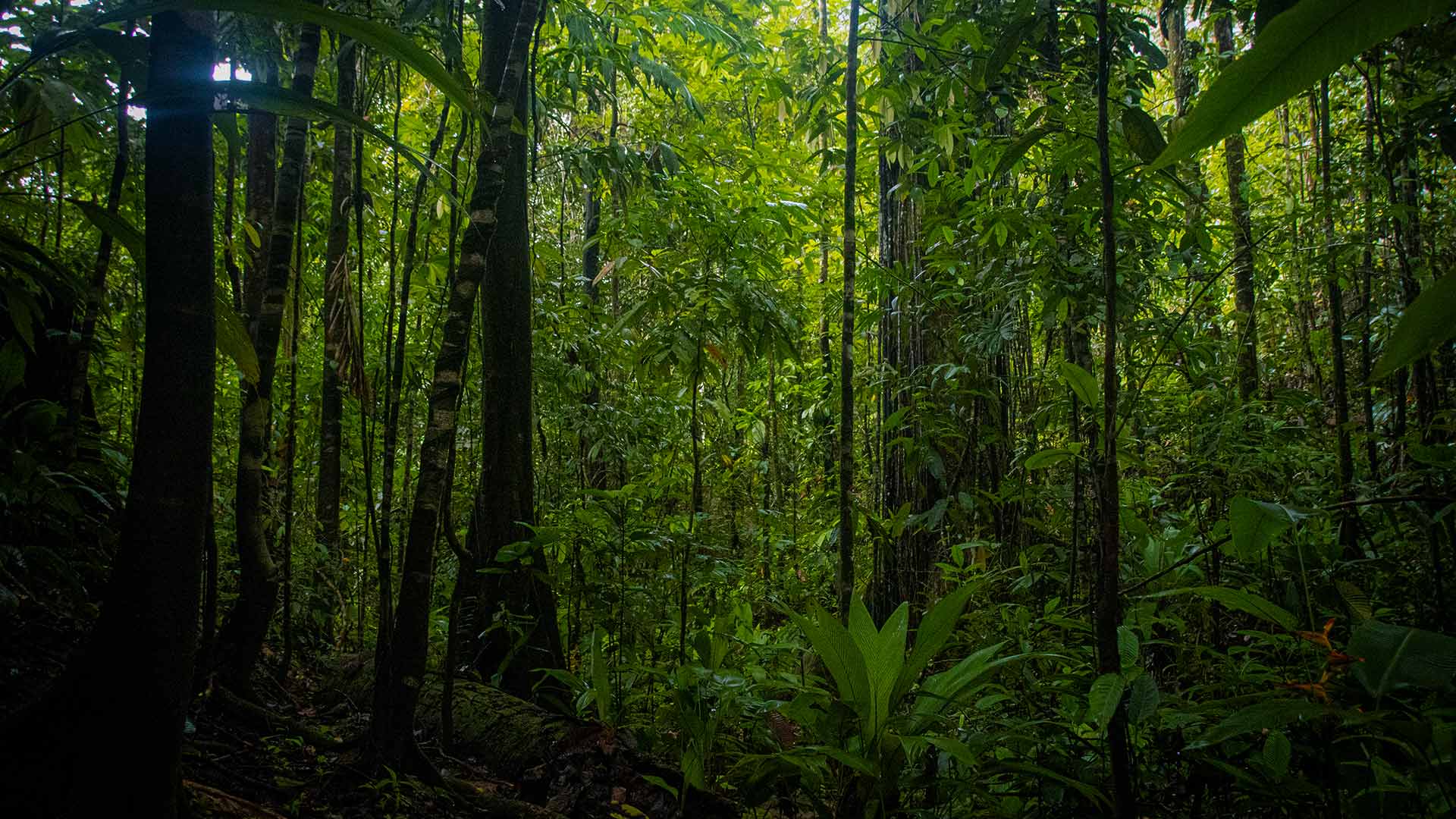
Tropical Very Wet Forest
Added by
Anonymous Curator
Reviewed by
Under Review
Last modified by
Julia Trouin
Detailed Description
The tropical very wet forest is one of the most complex and productive ecosystems in the world. It differs from the common rainforest by its extreme precipitation, exceeding 4,000 mm annually, which eliminates any period of water stress for the flora. Colossal trees with buttress roots such as the Ceiba and Cedar dominate the landscape, covered by an astonishing density of mosses and bryophytes that absorb moisture directly from the air. It is home to the highest biomass density per hectare, providing ecological niches for apex predators like the jaguar and birdlife including harpy eagles. Its soil, although ancient and nutrient-poor, recycles organic matter at an amazing speed, maintaining a vital balance for the planet's climatic health.
Climate Metrics
Basic Identification
Locations in Costa RicaGeographic regions of Costa Rica where this habitat or species has been documented.
Best Season to VisitBest times of year to visit or observe this area at its most biodiverse.
Climate & EnvironmentTypical weather patterns, temperature ranges, and seasonal rainfall affecting this location.
Climate characterized by the absence of a defined dry season. Rainfall is torrential and constant, with precipitation peaks that can reach 8,000 mm in foothill areas. The temperature is warm and stable, maintaining permanent moisture saturation in the air.