
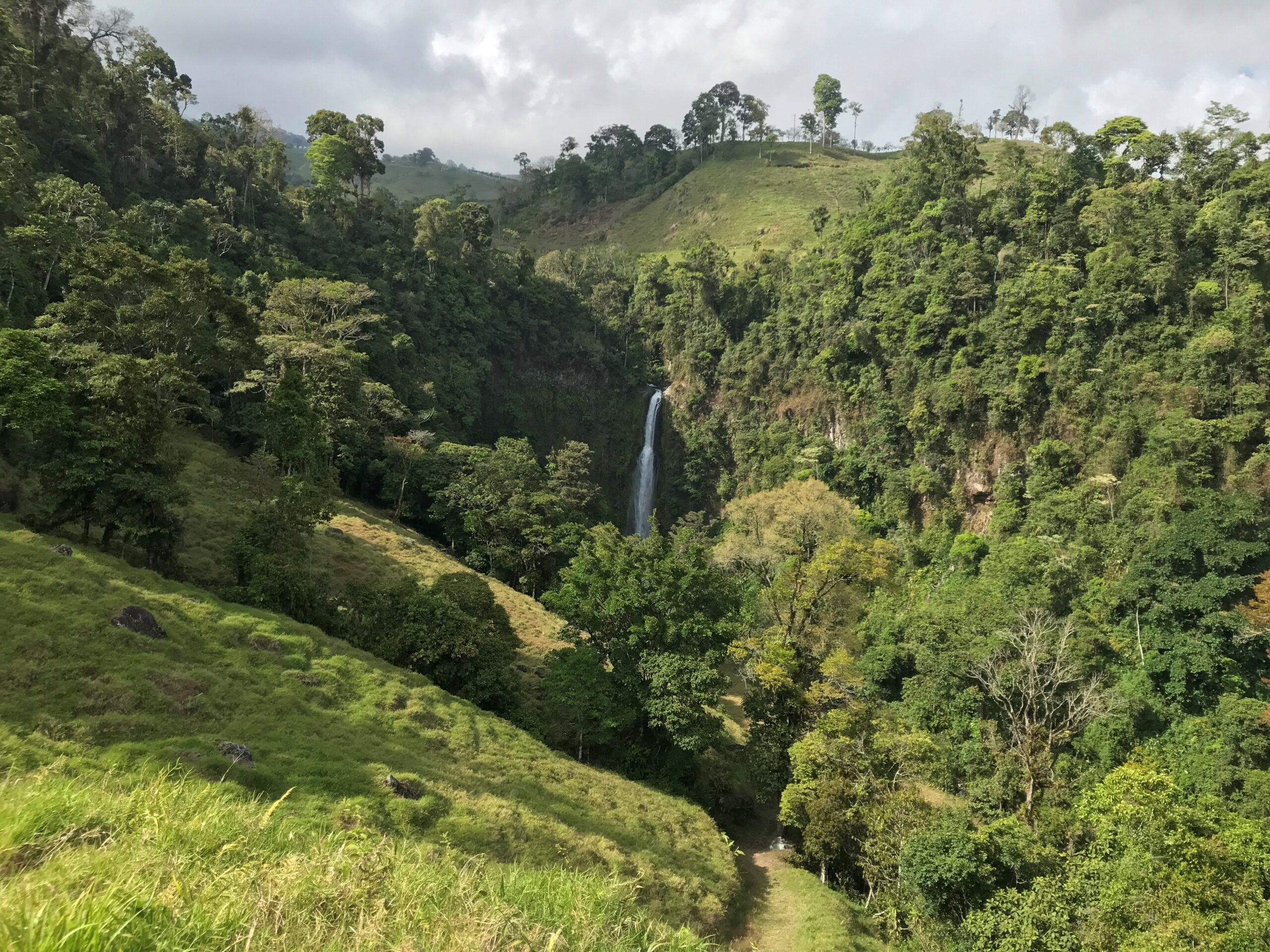
Transition Zone Forest
Added by
Anonymous Curator
Reviewed by
Under Review
Last modified by
Julia Trouin
Detailed Description
The transition zone is a unique and fascinating ecosystem located at the geographic boundary where the dry tropical forest of Guanacaste province merges with the wet tropical forest of the South Pacific. This zone, centered in Carara National Park, is a melting pot of biodiversity where species from both biomes converge, creating exceptional ecological wealth. It is characterized by seasonality that is less marked than in the dry forest, yet with a flora that still retains deciduous species alongside tall evergreen trees. It marks the northern distribution limit for many southern species and the southern limit for northern species, and is world-famous as one of the most important sanctuaries for the scarlet macaw (Ara macao), which finds ideal nesting and feeding resources here.
Climate Metrics
Basic Identification
Locations in Costa RicaGeographic regions of Costa Rica where this habitat or species has been documented.
Best Season to VisitBest times of year to visit or observe this area at its most biodiverse.
Climate & EnvironmentTypical weather patterns, temperature ranges, and seasonal rainfall affecting this location.
Hybrid climate with a moderate dry season (December to April). The temperature is hot and stable, but with higher relative humidity than in northern Costa Rica, favoring a denser and greener forest canopy for most of the year.