
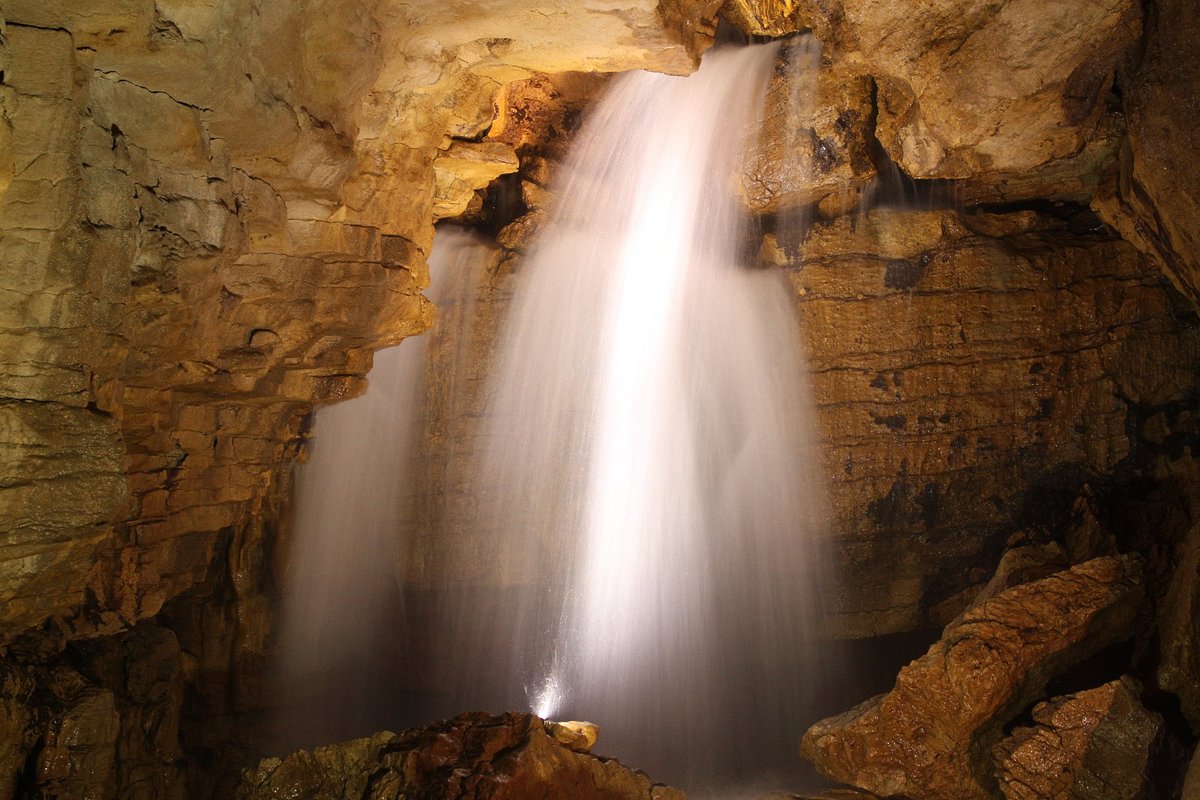
Underground Rivers and Watercourses
Added by
Anonymous Curator
Reviewed by
Under Review
Last modified by
Julia Trouin
Detailed Description
Underground rivers and watercourses represent the hidden phase of the hydrological cycle, flowing through fractures, karst conduits, and porous aquifers. In Costa Rica, these systems are the lifeblood of entire regions, feeding springs and maintaining the flow of surface rivers during the dry season. Biologically, they house stygofauna: highly specialized organisms such as fish and crustaceans that have lost vision and pigment to adapt to perpetual darkness. These watercourses are extremely vulnerable, as any pollutant spilled on the surface can travel rapidly over long distances without the benefit of solar filtration, compromising both the unique subsurface biodiversity and the population's drinking water reserves.
Climate Metrics
Basic Identification
Locations in Costa RicaGeographic regions of Costa Rica where this habitat or species has been documented.
Best Season to VisitBest times of year to visit or observe this area at its most biodiverse.
Climate & EnvironmentTypical weather patterns, temperature ranges, and seasonal rainfall affecting this location.
Stable aquatic environment with minimal thermal variations. The water temperature usually matches the annual average of the exterior zone, providing a constant thermal refuge. Atmospheric pressure and oxygen levels may vary depending on depth and connection to the surface.