
Coral Reefs
Added by
Anonymous Curator
Reviewed by
Under Review
Last modified by
Alberto Zuluaga
Detailed Description
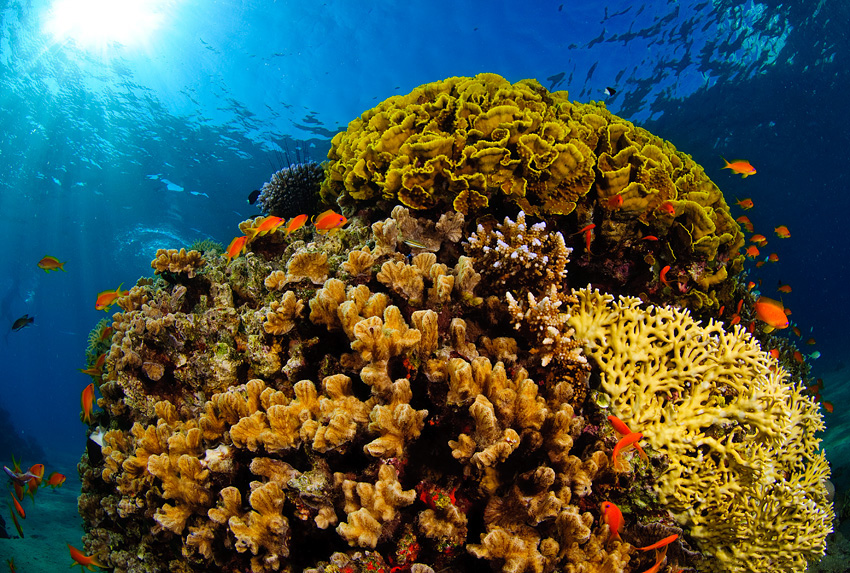
Coral reefs are massive biological structures built by colonies of polyps living in symbiosis with zooxanthellae algae. In Costa Rica, these ecosystems are found on both coasts, notably the fringing reef in Cahuita and the coral formations of Caño Island. They are considered the rainforests of the sea due to their amazing biodiversity, providing shelter, food, and breeding sites for 25% of all known marine species. In addition to their biological value, reefs protect coasts from wave erosion and are fundamental to local economies through tourism and responsible artisanal fishing. Their survival depends on clear waters, stable temperatures, and a delicate chemical balance.
Climate Metrics
Basic Identification
Locations in Costa RicaGeographic regions of Costa Rica where this habitat or species has been documented.
Best Season to VisitBest times of year to visit or observe this area at its most biodiverse.
Main ThreatsDocumented pressures reducing the population: habitat loss, hunting, disease, climate change, and invasive species.
- Ocean acidification
- Plastic and microplastic pollution
Climate & EnvironmentTypical weather patterns, temperature ranges, and seasonal rainfall affecting this location.
Marine tropical climate. Reefs thrive in warm, crystal-clear waters with temperatures between 22°C and 29°C. They are extremely sensitive to thermal anomalies such as those caused by the El Niño phenomenon.