
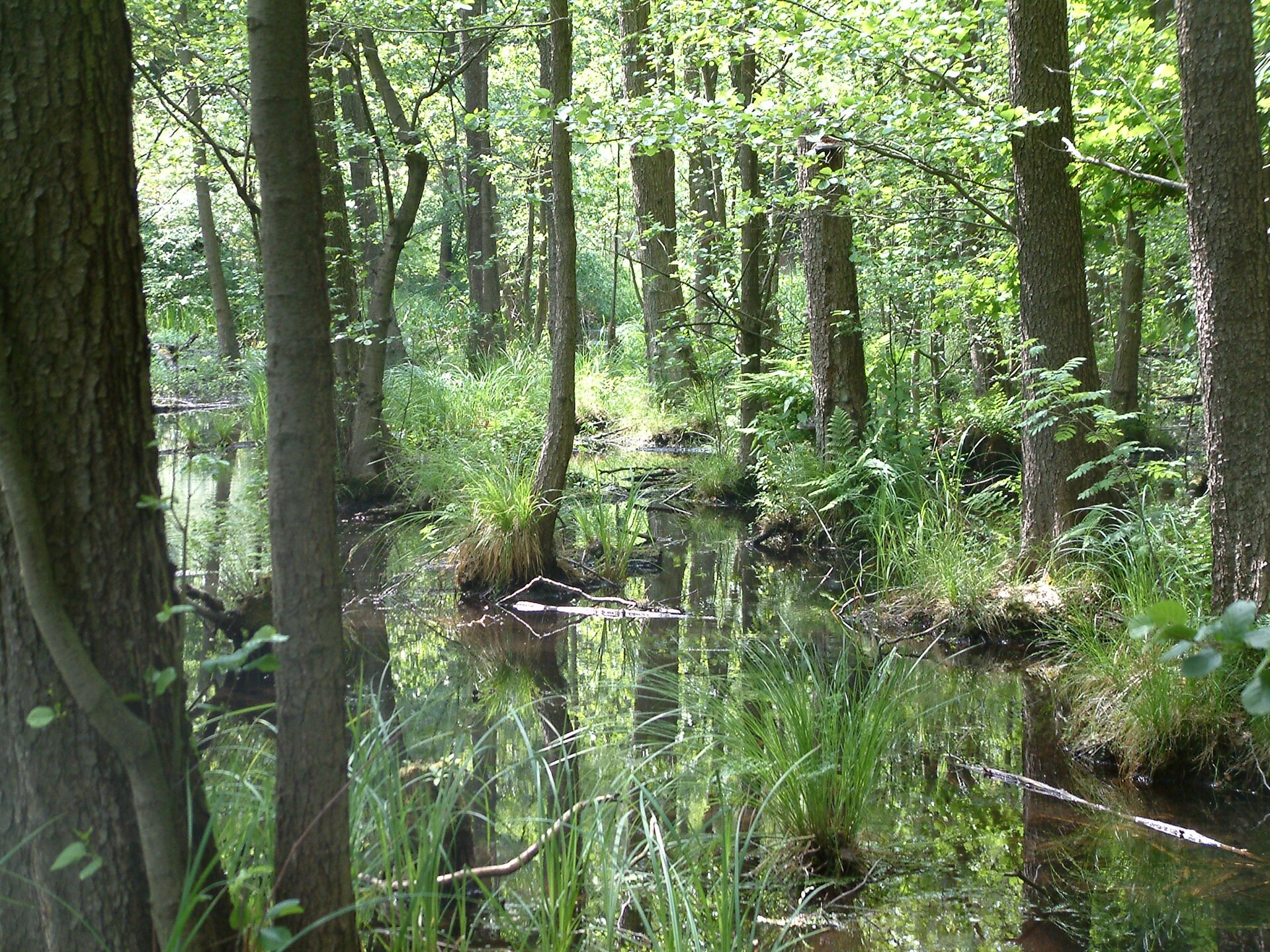
Seasonal Wetlands and Swamps
Added by
Anonymous Curator
Reviewed by
Under Review
Last modified by
Julia Trouin
Detailed Description
Seasonal wetlands and swamps are lowland ecosystems that experience drastic variations in water levels depending on climatic seasonality. During the rainy season, these floodplains transform into vast water mirrors that serve as shelter and foraging sites for thousands of migratory and resident birds, such as the iconic Jabiru. Vegetation consists of aquatic plants, grasses, and trees tolerant of prolonged flooding. These ecosystems function as natural kidneys that filter sediments and pollutants, while acting as critical hydrological regulators that prevent catastrophic flooding in downstream communities. In the dry season, the water recedes, leaving nutrient-rich soils that support a unique food chain.
Climate Metrics
Basic Identification
Locations in Costa RicaGeographic regions of Costa Rica where this habitat or species has been documented.
Best Season to VisitBest times of year to visit or observe this area at its most biodiverse.
Climate & EnvironmentTypical weather patterns, temperature ranges, and seasonal rainfall affecting this location.
Tropical climate with marked seasonality. High temperatures and intense solar radiation. The hydrological cycle is the engine of the ecosystem, with periods of deep flooding followed by partial or total drying.