
Rivers and Lotic Systems
Added by
Anonymous Curator
Reviewed by
Under Review
Last modified by
Julia Trouin
Detailed Description
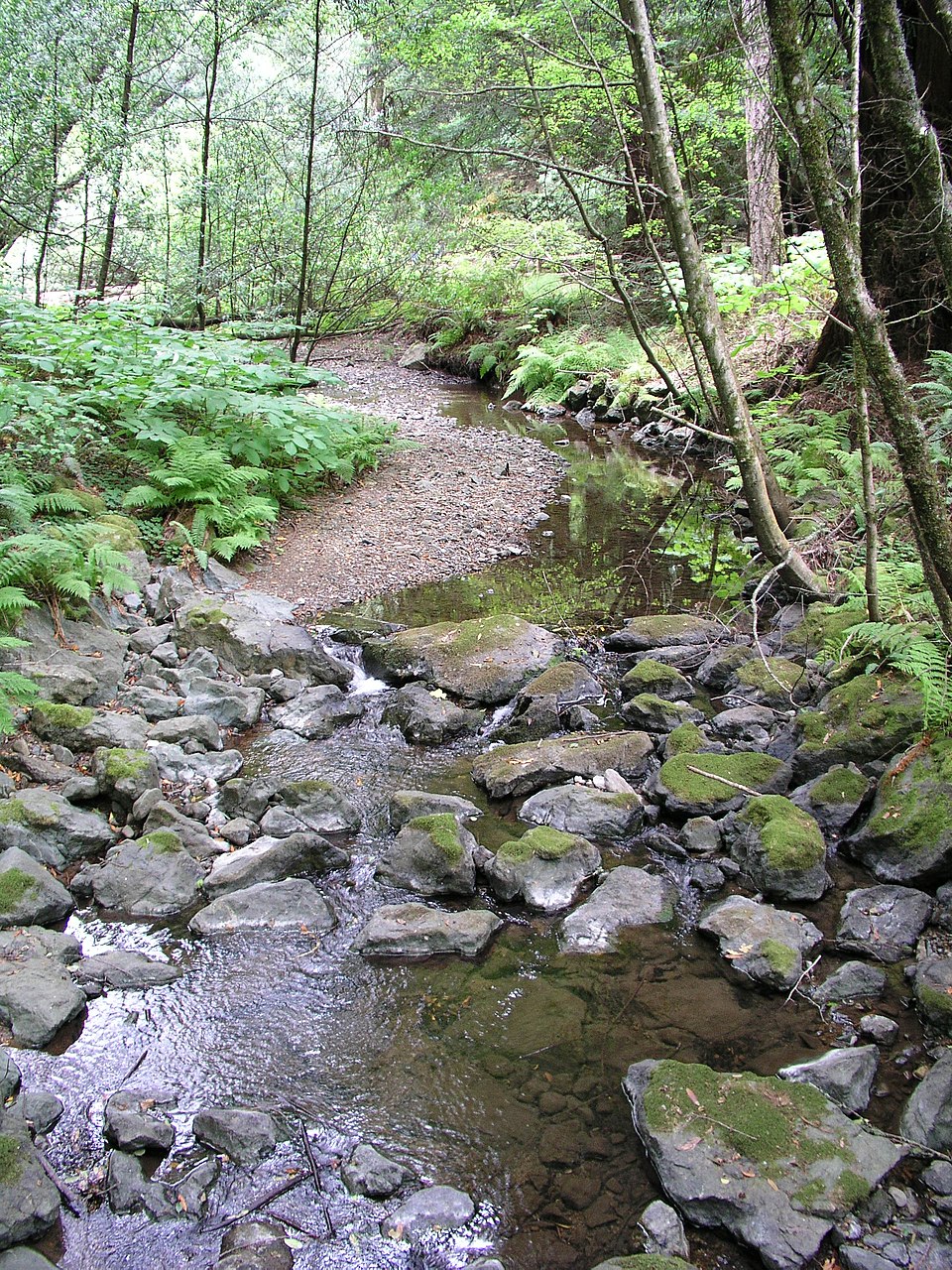
Lotic systems comprise all bodies of water with continuous flow, from small mountain streams to large lowland rivers. In Costa Rica, these systems are fundamental for ecological connectivity, functioning as natural biological corridors that allow the flow of species and nutrients between various habitats. They are characterized by a marked physico-chemical gradient: in the upper reaches, the water is cold, oxygenated, and fast-flowing over rocky beds; while in the lower reaches, rivers become slower, deeper, and loaded with sediments. They are home to a rich fauna of fish, aquatic macroinvertebrates, and emblematic species such as the river otter and the crocodile, in addition to being vital for human consumption and energy generation.
Climate Metrics
Basic Identification
Locations in Costa RicaGeographic regions of Costa Rica where this habitat or species has been documented.
Best Season to VisitBest times of year to visit or observe this area at its most biodiverse.
Climate & EnvironmentTypical weather patterns, temperature ranges, and seasonal rainfall affecting this location.
Variable depending on altitude. In the high basins, a cool and humid mountain climate prevails, while in the coastal plains, the environment is warm and tropical. The water regime is strongly influenced by the country's seasonal rainfall patterns.