
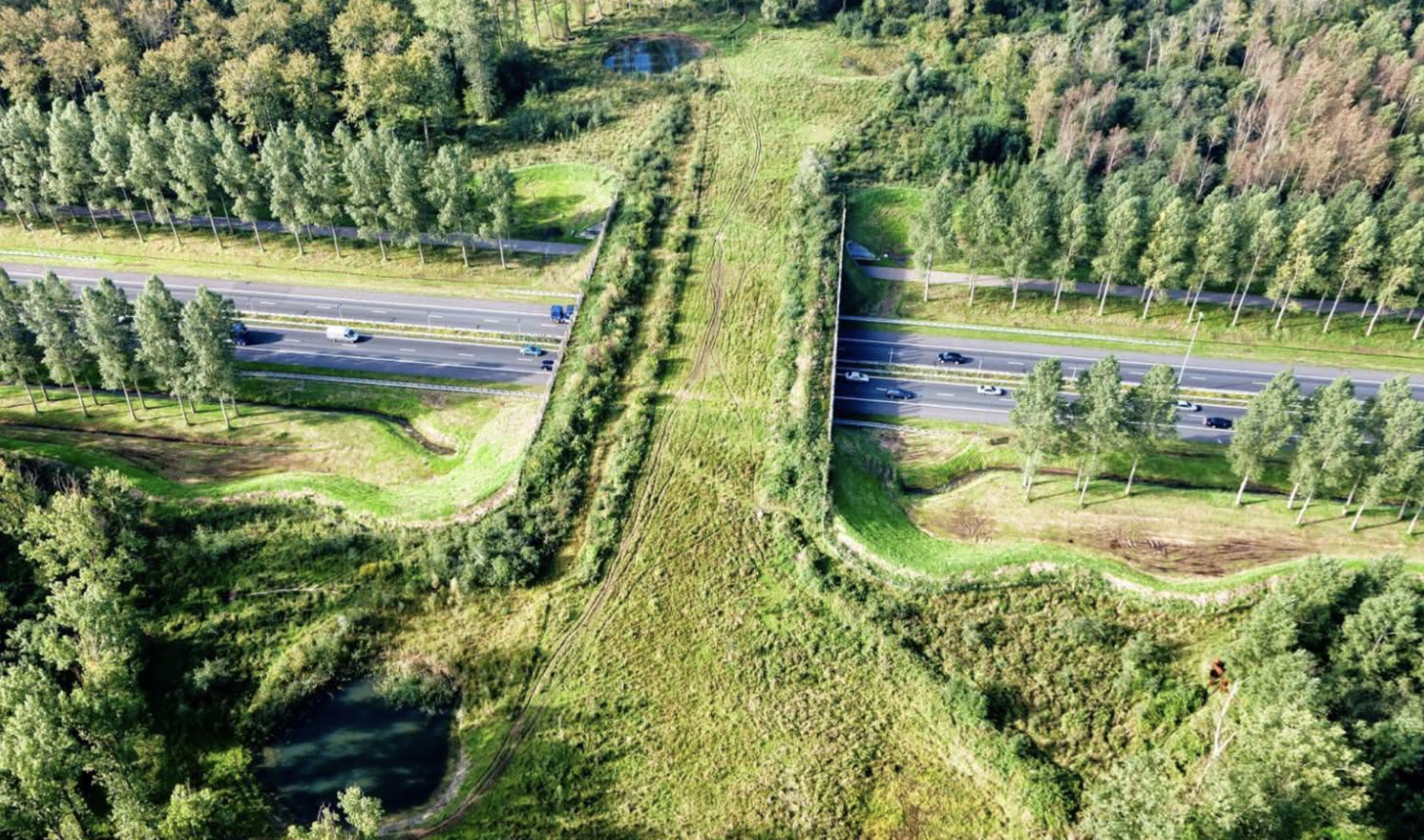
Urban Biological Corridors
Added by
Anonymous Curator
Reviewed by
Under Review
Last modified by
Julia Trouin
Detailed Description
Urban Biological Corridors (UBC) are delimited territorial spaces that connect fragmented biodiversity areas within urban landscapes. In Costa Rica, these corridors are primarily structured along the micro-watersheds of rivers that flow through the city, such as the Maria Aguilar and the Torres. Their technical function is to restore ecological connectivity, allowing birds, pollinating insects, and small mammals to move safely, preventing populations from becoming isolated in 'concrete islands.' These corridors are the backbone of urban green infrastructure, providing critical ecosystem services such as thermal regulation, runoff control, and passive recreation spaces that improve public health and the climate resilience of modern cities.
Climate Metrics
Basic Identification
Locations in Costa RicaGeographic regions of Costa Rica where this habitat or species has been documented.
Best Season to VisitBest times of year to visit or observe this area at its most biodiverse.
Climate & EnvironmentTypical weather patterns, temperature ranges, and seasonal rainfall affecting this location.
Premontane climate influenced by urbanization. It exhibits the heat island effect, but the corridors maintain a temperature 2°C to 3°C lower than surrounding densely built areas.