
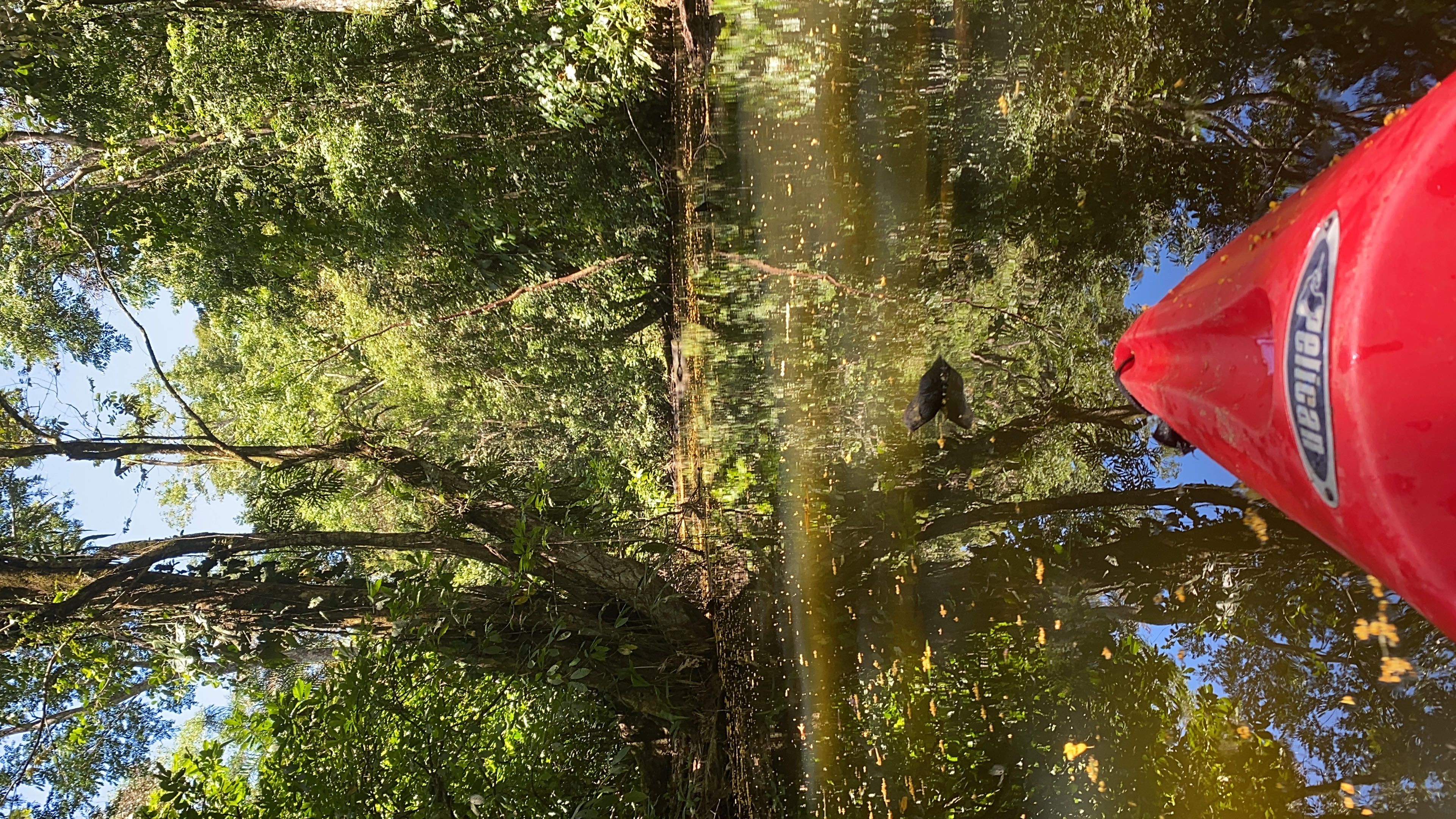
Mangroves
Added by
Anonymous Curator
Reviewed by
Under Review
Last modified by
Gerardo Venegas
Detailed Description
Mangroves are coastal transition ecosystems of incalculable ecological importance, formed by mangrove trees that have evolved to survive in high salinity conditions and low-oxygen soils. In Costa Rica, species such as the Red Mangrove (Rhizophora mangle) with its characteristic aerial roots and the Black Mangrove (Avicennia germinans) stand out. These forests act as biological nurseries, protecting the juvenile stages of countless species of fish, crustaceans, and mollusks. Furthermore, they are extremely efficient carbon sinks, storing up to ten times more carbon than terrestrial forests, making them fundamental allies in mitigating global warming and protecting against coastal erosion.
Climate Metrics
Basic Identification
Locations in Costa RicaGeographic regions of Costa Rica where this habitat or species has been documented.
Best Season to VisitBest times of year to visit or observe this area at its most biodiverse.
Climate & EnvironmentTypical weather patterns, temperature ranges, and seasonal rainfall affecting this location.
Coastal tropical climate, warm and humid. Temperatures are constant throughout the year. The ecosystem is subject to tidal dynamics, creating a daily fluctuation in water levels and salinity.