
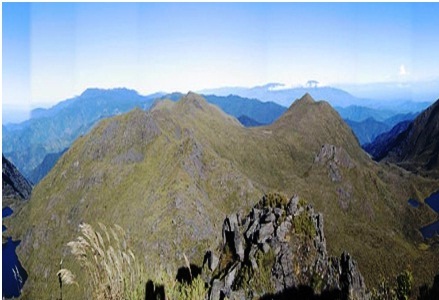
Subalpine Paramo
Added by
Anonymous Curator
Reviewed by
Under Review
Last modified by
Julia Trouin
Detailed Description
The subalpine paramo is a unique and fragile ecosystem that crowns the highest peaks of the Talamanca Mountain Range and some central volcanoes. It is characterized by low-stature vegetation adapted to extreme conditions of ultraviolet radiation, strong winds, and drastic temperature fluctuations that can range from nightly freezing to intense midday heat. Dominated by leathery shrubs, grasses, and the iconic dwarf bamboo (Chusquea subtessellata), the paramo acts as a vital water sponge for the lowlands. It is a center of evolutionary endemism where flora and fauna species have developed unique morphological adaptations to survive in these biological islands isolated by altitude.
Climate Metrics
Basic Identification
Locations in Costa RicaGeographic regions of Costa Rica where this habitat or species has been documented.
Best Season to VisitBest times of year to visit or observe this area at its most biodiverse.
Climate & EnvironmentTypical weather patterns, temperature ranges, and seasonal rainfall affecting this location.
Tropical alpine climate. Characterized by high daily thermal oscillation ('summer every day, winter every night'). Temperatures can drop to -2°C or -4°C on clear early mornings, with presence of frost. Solar radiation is extremely high.