
Gallery Forest
Added by
Anonymous Curator
Reviewed by
Under Review
Last modified by
Julia Trouin
Detailed Description
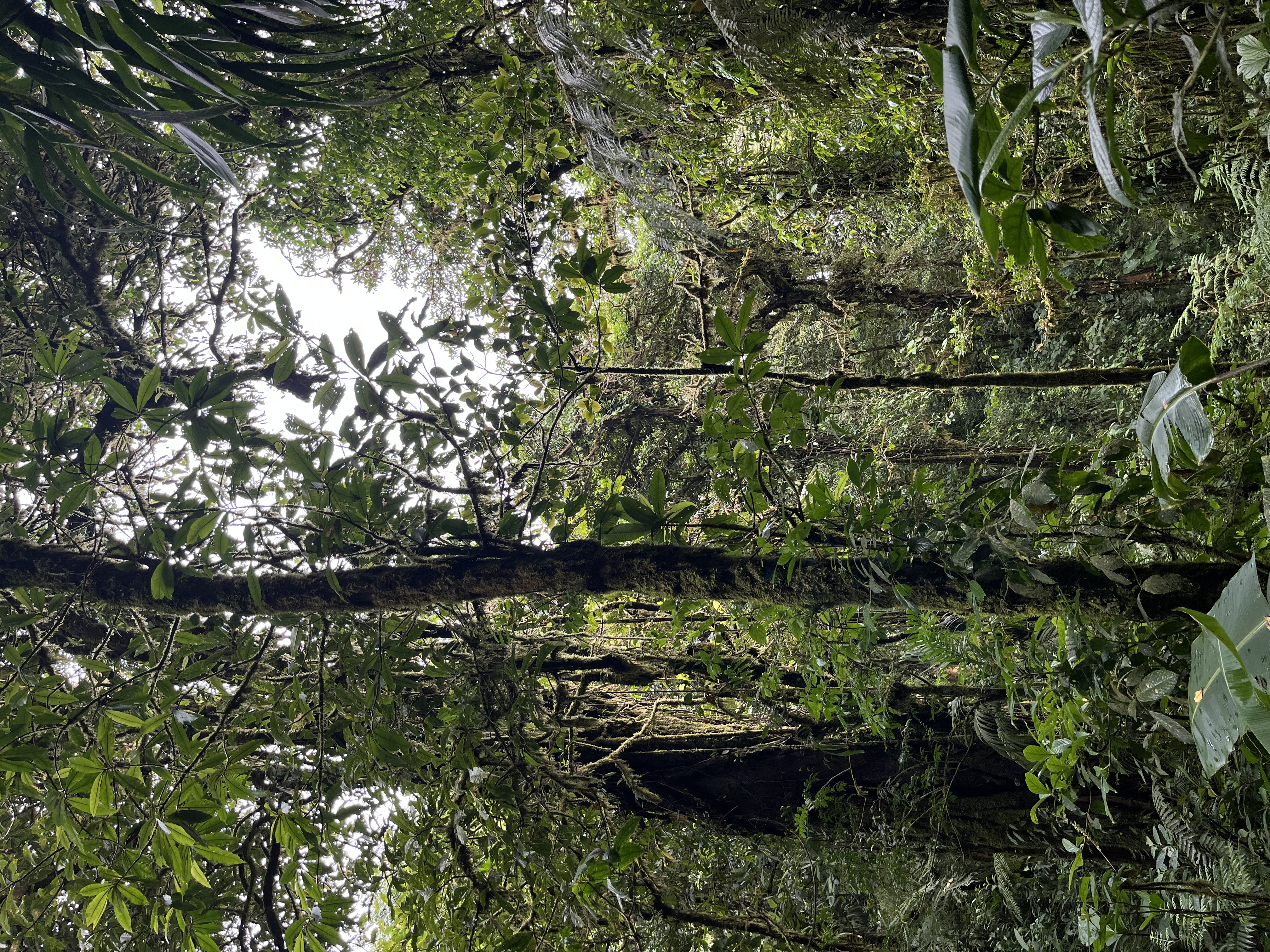
The gallery forest is an arboreal ecosystem that develops along the banks of rivers and streams, forming a tunnel or 'gallery' of vegetation that covers the watercourse. In Costa Rica, these forests are vital, especially in dry forest areas like Guanacaste, as they maintain their greenery and foliage even during the dry season thanks to the proximity of groundwater. They function as critical biological corridors that allow wildlife to pass between isolated forest patches, in addition to preventing bank erosion and filtering sediments that would otherwise reach marine ecosystems. They are a haven for species such as the howler monkey, the green iguana, and a great diversity of riparian birds that depend on the connectivity these forests provide.
Climate Metrics
Basic Identification
Locations in Costa RicaGeographic regions of Costa Rica where this habitat or species has been documented.
Best Season to VisitBest times of year to visit or observe this area at its most biodiverse.
Climate & EnvironmentTypical weather patterns, temperature ranges, and seasonal rainfall affecting this location.
Microclimate cooler and more humid than surrounding areas due to water evaporation and dense shade. It is less prone to the extreme temperatures of open plains.