
Semi-Urban or Peri-urban Zones
Added by
Anonymous Curator
Reviewed by
Under Review
Last modified by
Julia Trouin
Detailed Description
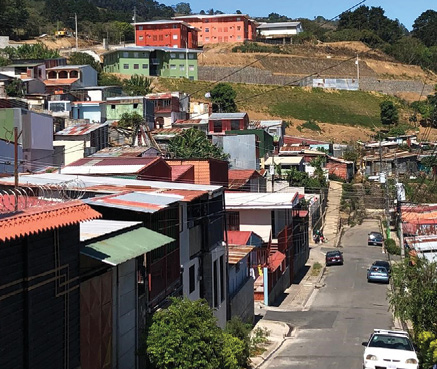
Semi-urban or peri-urban zones represent the dynamic interface where urban growth meets the rural and forest landscape. In Costa Rica, these zones are common on the slopes of the Greater Metropolitan Area and are characterized by a mosaic of land uses including residential estates, small agricultural farms, and patches of secondary forest. Technically, these areas are vital due to the 'edge effect,' which fosters high biodiversity by combining deep forest species with species adapted to open environments. They function as buffer zones for high-altitude national parks, helping to filter human pressure and providing ecosystem services such as aquifer recharge and the maintenance of cool microclimates that counteract the warming of adjacent urban areas.
Climate Metrics
Basic Identification
Locations in Costa RicaGeographic regions of Costa Rica where this habitat or species has been documented.
Best Season to VisitBest times of year to visit or observe this area at its most biodiverse.
Climate & EnvironmentTypical weather patterns, temperature ranges, and seasonal rainfall affecting this location.
Moderate mountain climate. Characterized by sunny mornings and cloudy afternoons with seasonal rains. Temperatures are cooler than in city centers, with constant natural ventilation coming from the mountain ranges.