
Urban Environments
Added by
Anonymous Curator
Reviewed by
Under Review
Last modified by
Julia Trouin
Detailed Description
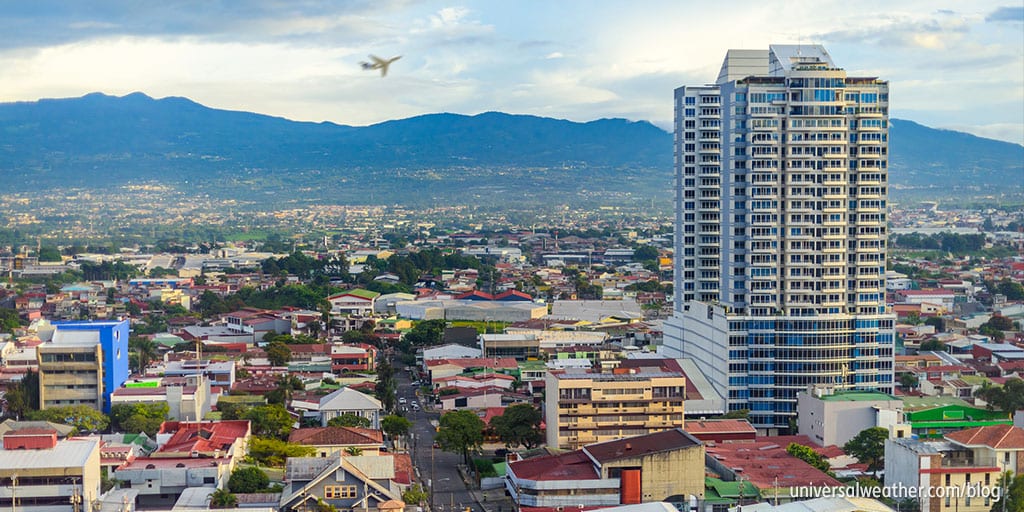
Urban environments are ecosystems deeply modified by human activity, yet they play a crucial role in biodiversity conservation in the 21st century. In Costa Rica, this is evident in the Greater Metropolitan Area and intermediate cities, where the integration of native flora in gardens, parks, and cemeteries has created inter-urban biological corridors. These spaces allow bird species, butterflies, bees, and small mammals to travel and find refuge amidst the built landscape. Innovative projects have transformed the vision of the city, promoting 'sweet cities' that prioritize the well-being of pollinators and green connectivity, proving that urban development and nature can coexist in a productive and aesthetic balance.
Climate Metrics
Basic Identification
Locations in Costa RicaGeographic regions of Costa Rica where this habitat or species has been documented.
Best Season to VisitBest times of year to visit or observe this area at its most biodiverse.
Climate & EnvironmentTypical weather patterns, temperature ranges, and seasonal rainfall affecting this location.
Urban microclimates characterized by the 'heat island' effect, where impermeable surfaces raise local temperatures. However, areas with high urban forest cover can be 2°C to 4°C cooler.