



Nurse Shark
Shallow coral and rocky reefs, sand flats, seagrass beds and mangrove channels from intertidal pools to ≈ 70 m; in Costa Rica abundant around Isla del Caño, Golfo Dulce, Bahía Culebra, and Caribbean patch reefs of Cahuita.
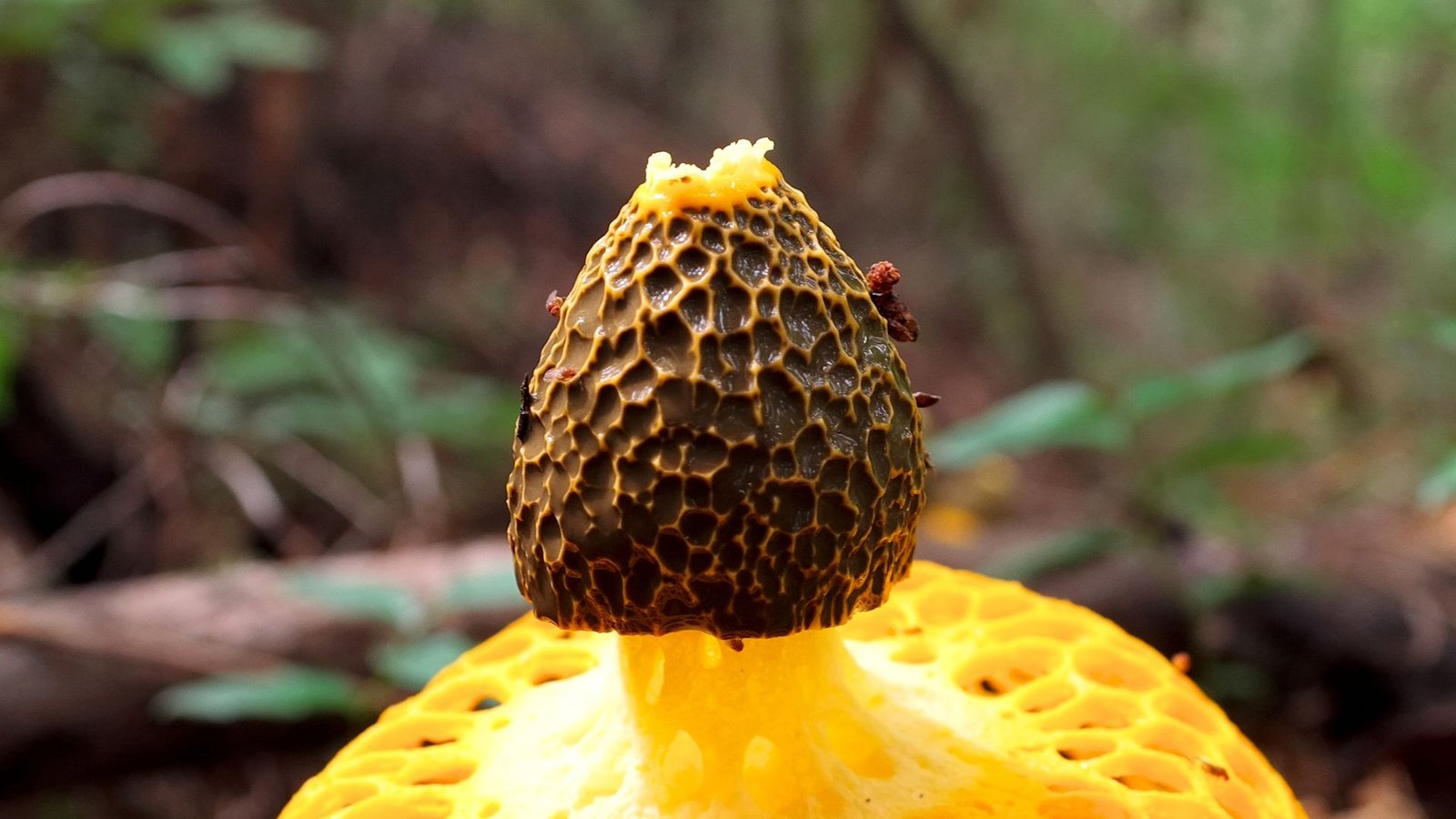
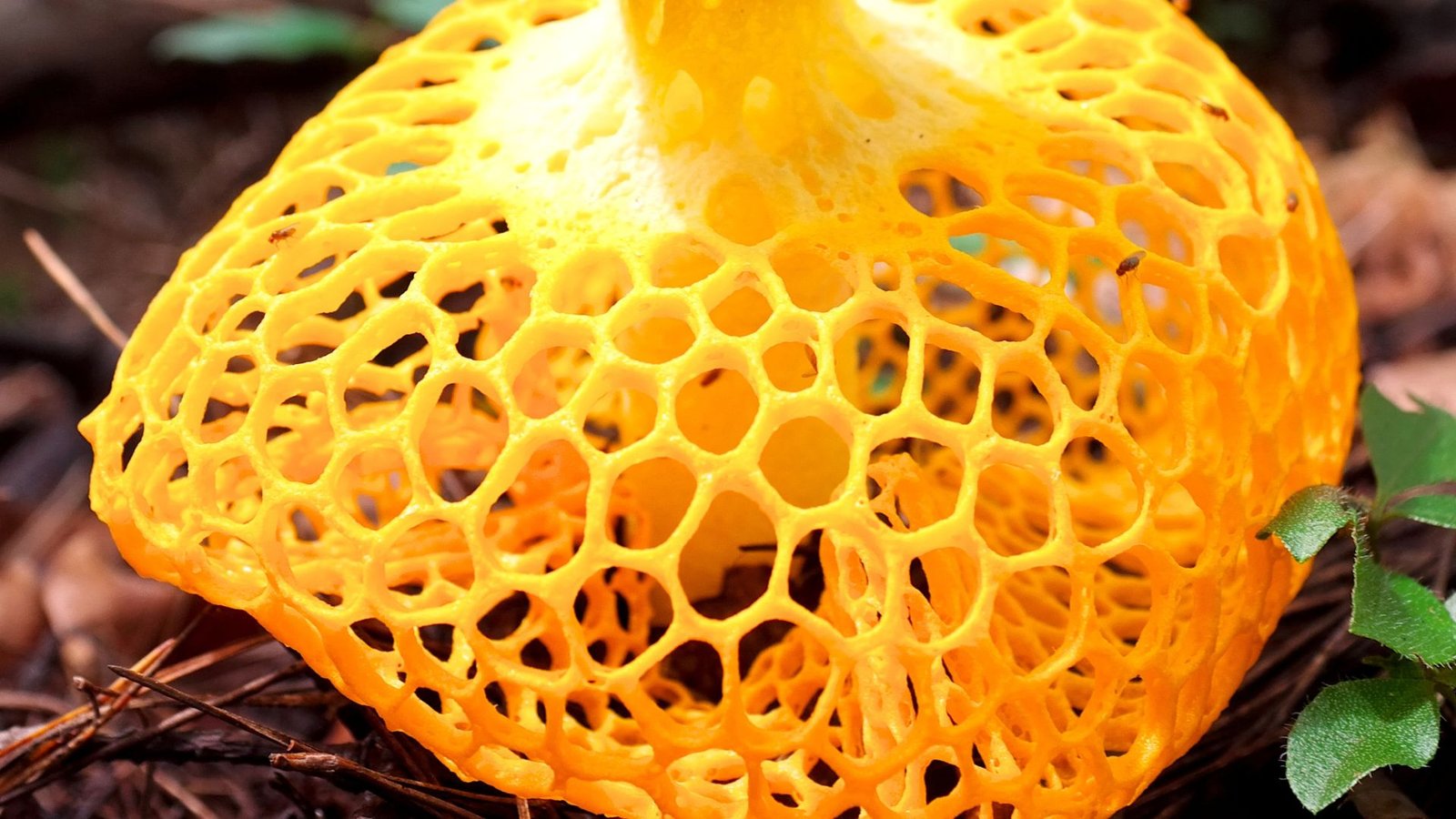
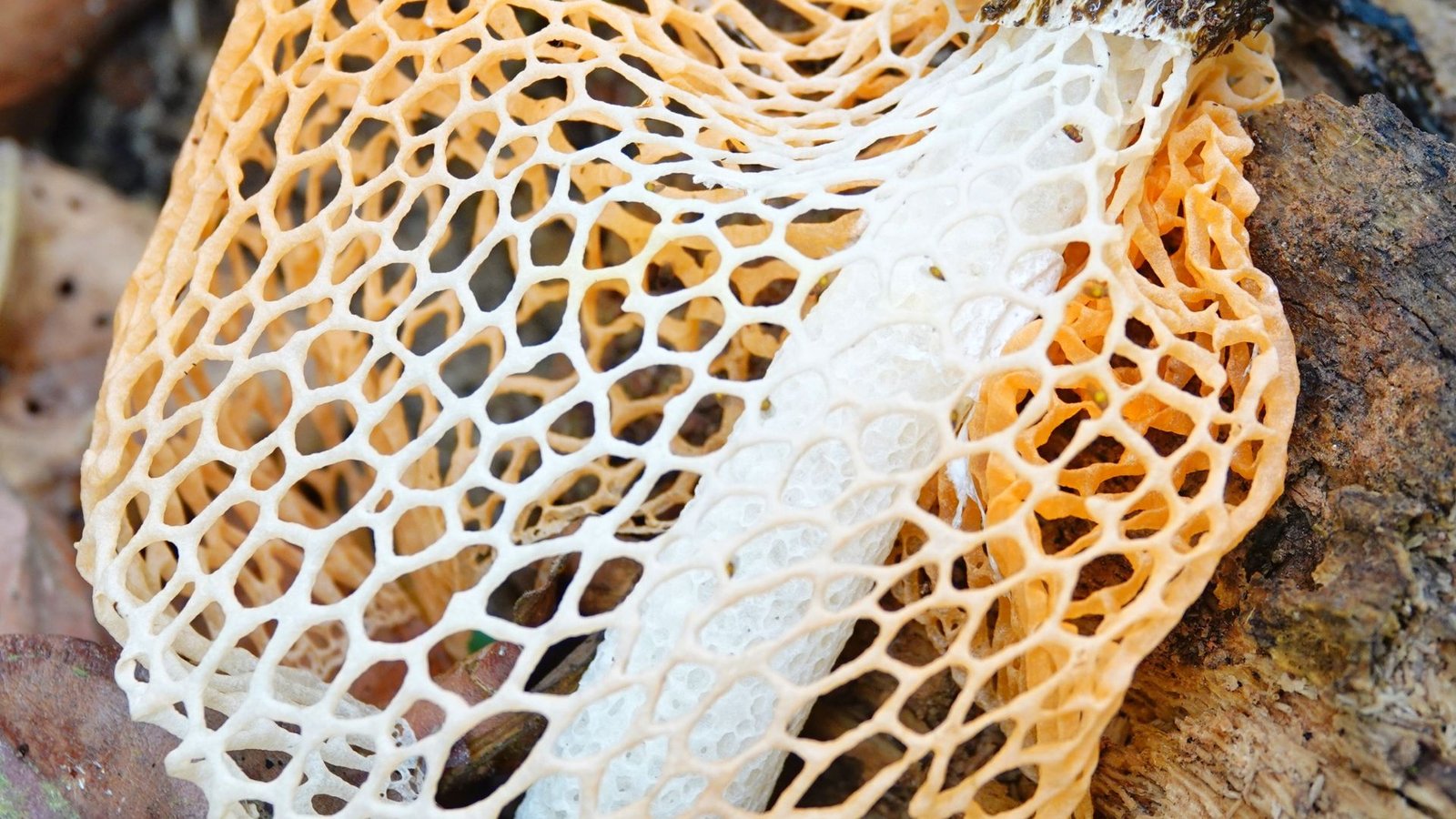
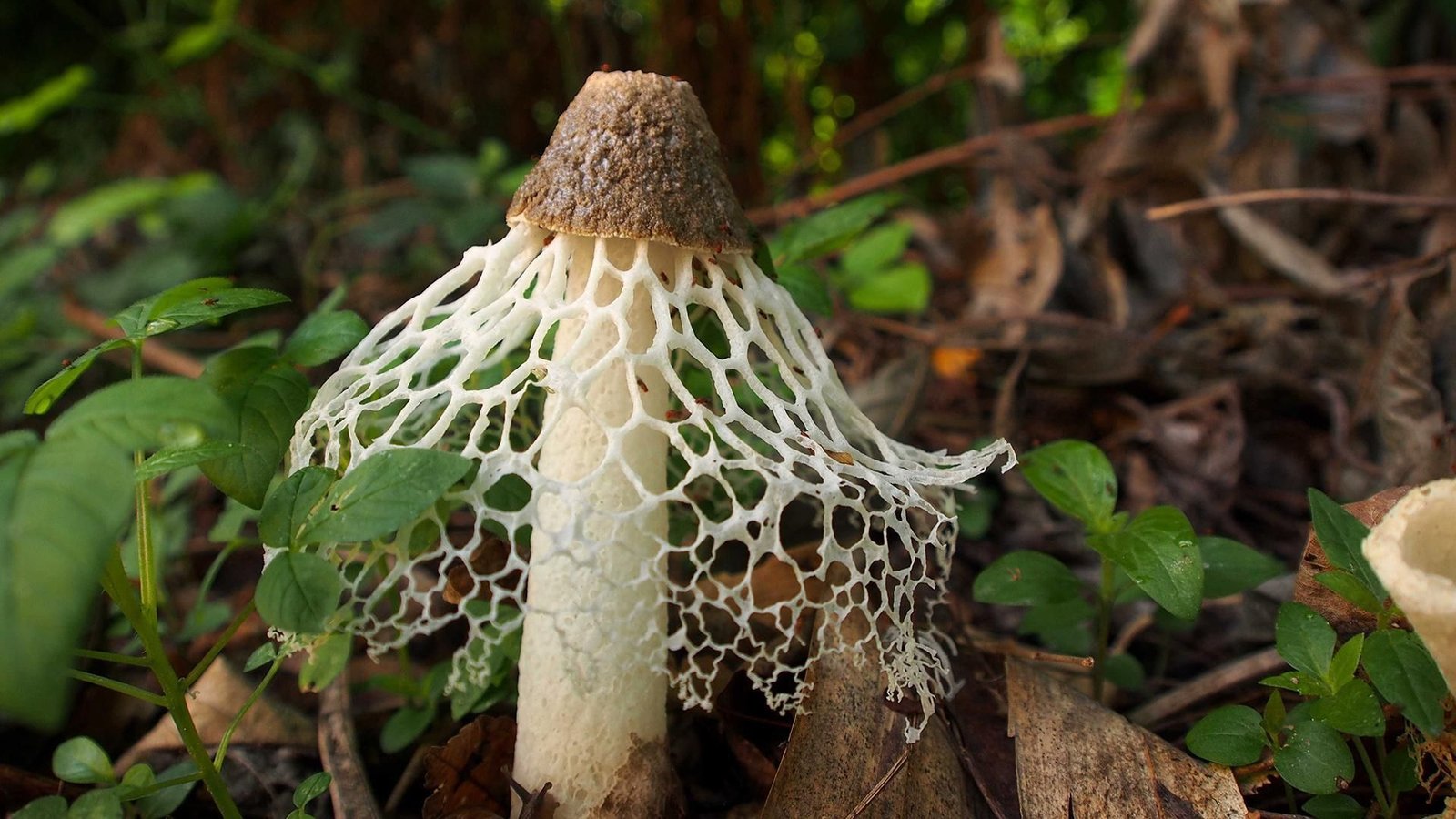
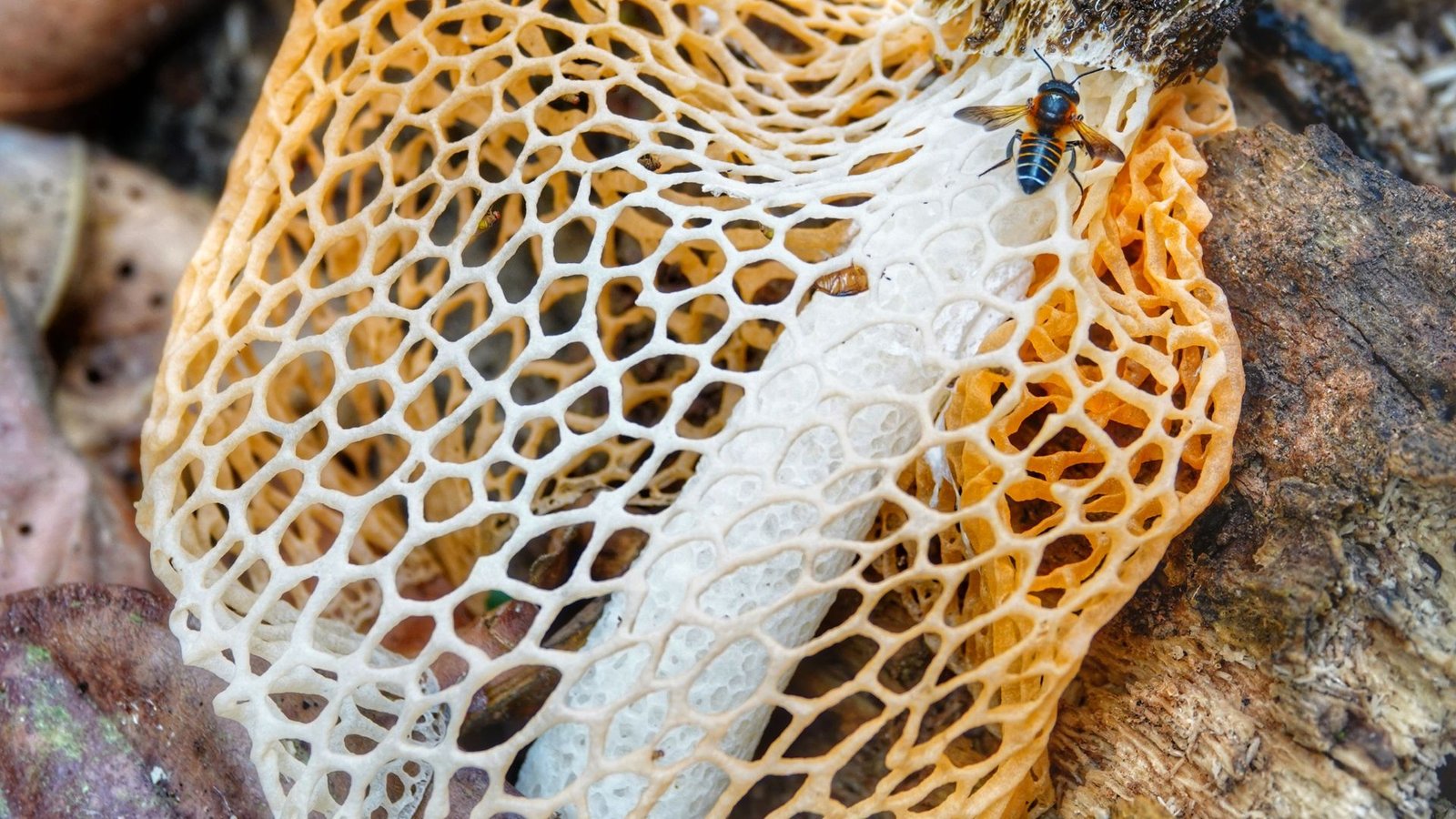
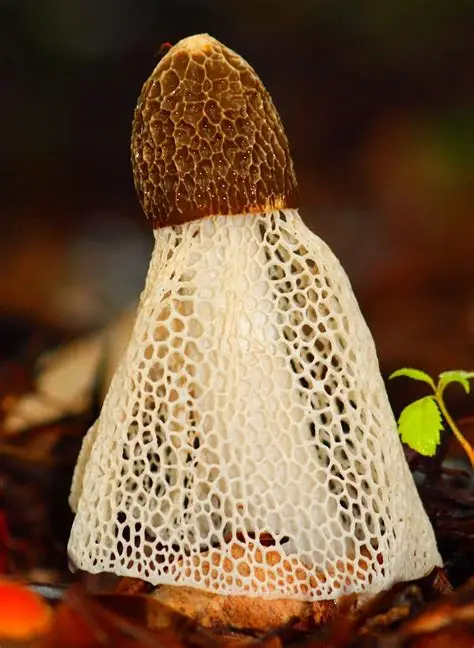
Erect, phalloid basidiome 15 – 25 cm tall arising from an ovate “egg.” Stipe white, spongy, honey‑combed (2–3 cm Ø) supporting an olive‑brown, slimy gleba on a conical cap (4–5 cm Ø) with reticulate pits. A delicate white lace‑like indusium (8–20 cm long) hangs from beneath the cap, forming a cylindrical skirt that may reach the substrate. Volva thick, white; base rooting. Gleba emits strong carrion‑like odour to attract dipteran vectors. Spores hyaline, elliptical, 3.5 × 2.0 µm. Basidiome matures rapidly (≈ 10 h) and collapses within 1–2 days.
Sexual dimorphism refers to the physical differences between males and females of the same species that go beyond reproductive organs. For example, size, colour or form.
Fruit body 15–25 cm tall; indusium span 10–18 cm; stipe Ø ≈ 2–3 cm
Fresh basidiome 25–45 g
Individual fruit body 24–48 h; subterranean mycelium perennial
Not applicable
Not applicable
Mycelium can fructify within 3–6 months on suitable substrate
Year‑round in humid tropics; peaks at onset of rainy season (May–June)
Erect, phalloid basidiome 15 – 25 cm tall arising from an ovate “egg.” Stipe white, spongy, honey‑combed (2–3 cm Ø) supporting an olive‑brown, slimy gleba on a conical cap (4–5 cm Ø) with reticulate pits. A delicate white lace‑like indusium (8–20 cm long) hangs from beneath the cap, forming a cylindrical skirt that may reach the substrate. Volva thick, white; base rooting. Gleba emits strong carrion‑like odour to attract dipteran vectors. Spores hyaline, elliptical, 3.5 × 2.0 µm. Basidiome matures rapidly (≈ 10 h) and collapses within 1–2 days.
Saprotrophic on rich humus, decomposing logs and bamboo litter in shaded lowland rain forest (0–800 m) and premontane wet forest; often fruiting after heavy rains along trails and disturbed edges.
Saprotrophic decomposer converting lignocellulosic debris to humus; important in nutrient recycling.
Social Structure & Behaviour
Activity pattern: fruiting triggered by ≥ 20 mm rainfall; basidiomes emerge at night, collapse by second day.
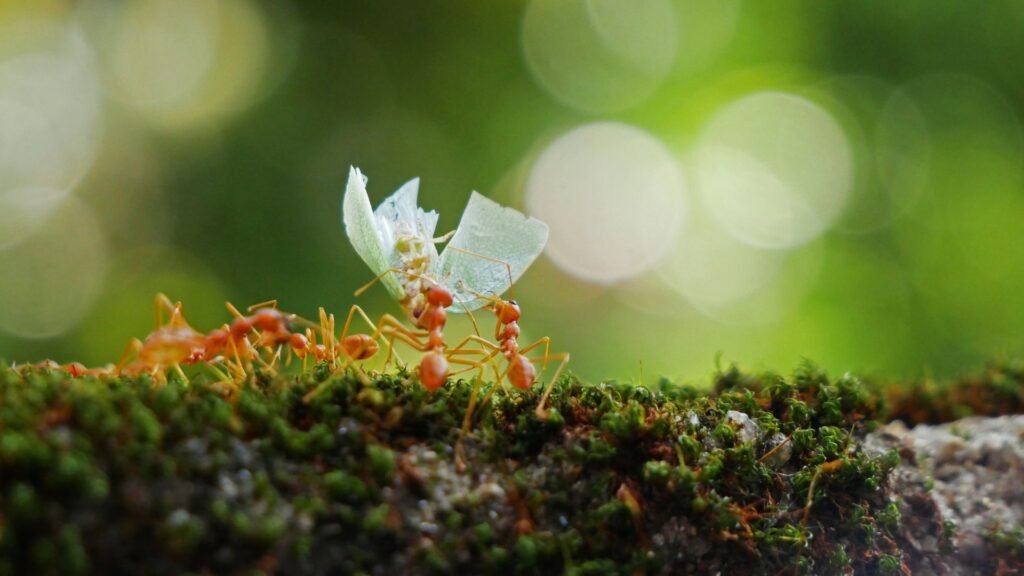
Spore dispersal: carrion flies (Sarcophaga, Lucilia spp.) land on fetid gleba and carry spores externally and in gut.
Territoriality / grouping: multiple basidiomes often appear in arcs or fairy‑rings derived from radial mycelium.
Revision
More photos
Taxonomic classification is a hierarchical system used in biology to organize and name living organisms. It arranges species into nested groups based on shared characteristics and evolutionary relationships.
🌍 The IUCN status refers to the conservation category assigned to a species by the International Union for Conservation of Nature, based on its risk of extinction
Indusium pattern is unique to each basidiome, inspiring QR‑code‑based citizen monitoring.
Contains bioactive polysaccharide “phallus‑G” under study for immunomodulatory properties.
Consumed in Chinese haute cuisine; in Costa Rica, Indigenous Bribri occasionally use ovate “egg” as insect bait.
A 2022 study isolated a vanillin‑synthesizing yeast from its gleba‑visiting fruit flies.
Emits infra‑red detectable heat surge (up to 4 °C) during rapid stipe elongation.

Shallow coral and rocky reefs, sand flats, seagrass beds and mangrove channels from intertidal pools to ≈ 70 m; in Costa Rica abundant around Isla del Caño, Golfo Dulce, Bahía Culebra, and Caribbean patch reefs of Cahuita.

