Scalloped Hammerhead

Sphyrna lewini (Griffith & Smith, 1834)

Also known / common namesSpanish – Tiburón martillo común, Cornuda; Bribri – Data deficient; Cabécar – Data deficient

Scalloped Hammerhead(s) General Description

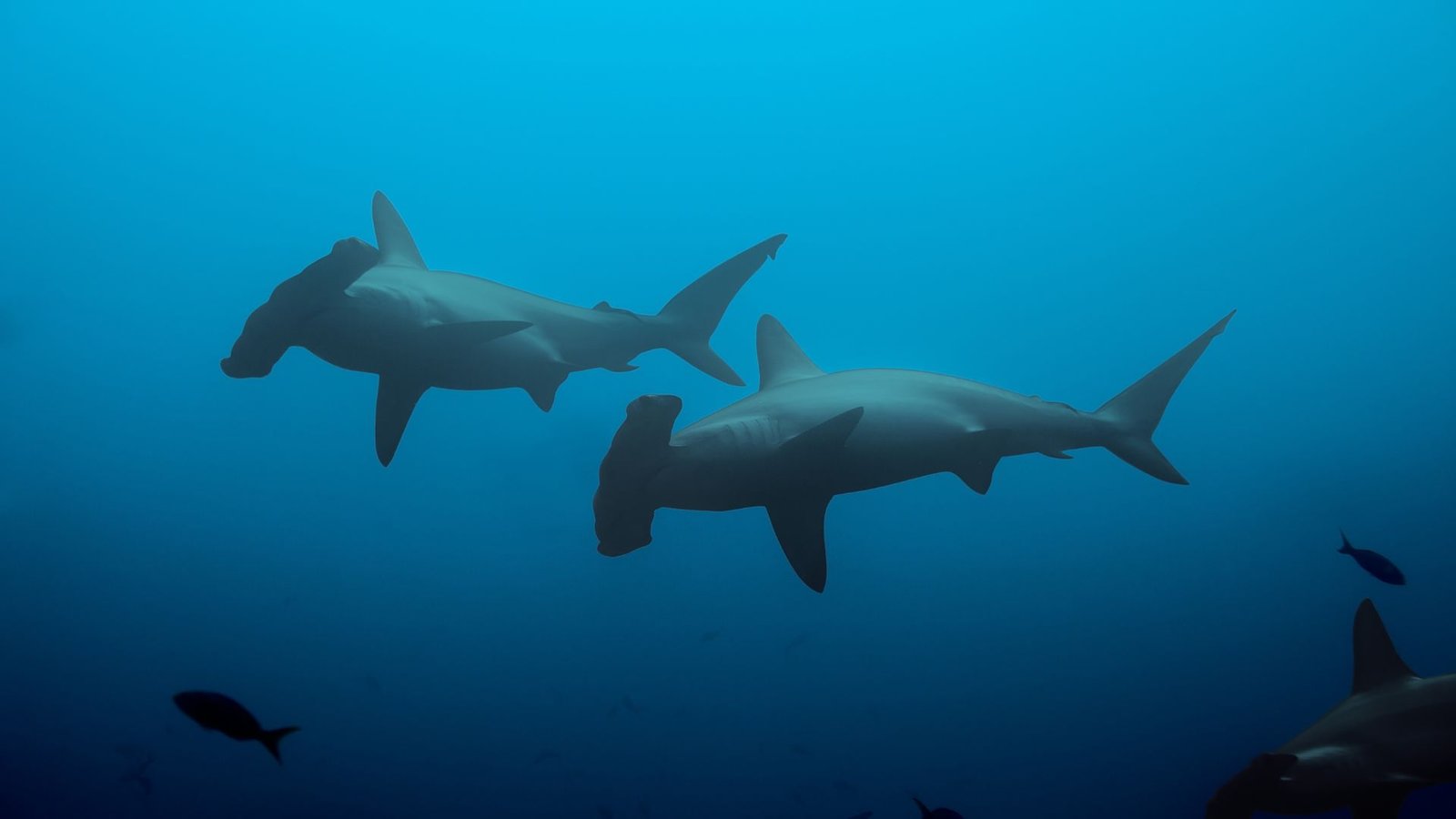
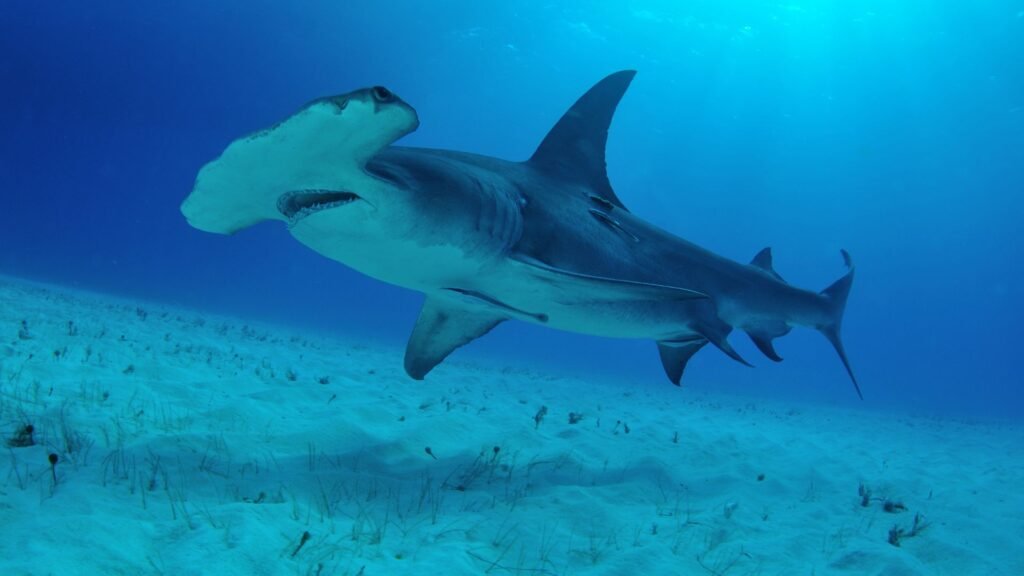
Large, laterally flattened hammerhead shark distinguished by a gently scalloped anterior margin of the cephalofoil bearing three central indentations. Body slender, grey‑bronze dorsally, fading to pale ventrally; pectoral fins long and sickle‑shaped. First dorsal fin tall and falcate, second markedly smaller. Adult total length 2.5–3.4 m (max > 4 m); newborns 45–55 cm. Eyes and nares positioned at foil tips, enhancing binocular vision and olfaction. Gill slits five pairs, lateral; dermal denticles smooth. Sexual dimorphism moderate—mature females slightly larger and broader across the cephalofoil than males.

Has Sexual Diamorphism?

Yes — females larger; gravid females possess distended abdomen; males have enlarged claspers

LIFE‑HISTORY & VITAL STATISTICS OF THE Scalloped Hammerhead(S)

Average Height / Length / Diameter

Average Adult Weight / Mass

Typical Lifespan / Longevity

Typical Lifespan / Longevity for males

Typical Lifespan / Longevity for Females

Age at Sexual Maturity

Breading Season

Gestation

Reproductive Outcome

Ecology and Behaviour for Scalloped Hammerhead(s)

Large, laterally flattened hammerhead shark distinguished by a gently scalloped anterior margin of the cephalofoil bearing three central indentations. Body slender, grey‑bronze dorsally, fading to pale ventrally; pectoral fins long and sickle‑shaped. First dorsal fin tall and falcate, second markedly smaller. Adult total length 2.5–3.4 m (max > 4 m); newborns 45–55 cm. Eyes and nares positioned at foil tips, enhancing binocular vision and olfaction. Gill slits five pairs, lateral; dermal denticles smooth. Sexual dimorphism moderate—mature females slightly larger and broader across the cephalofoil than males.

Habitat

Coastal to epipelagic (0–275 m) over continental shelves, seamounts and oceanic islands; in Costa Rica common at Isla del Coco, Golfo Dulce canyon and Isla Murciélago up‑welling fronts. Juveniles inhabit turbid estuaries and mangrove‑backed bays ≤ 30 m deep.

Trophic Chain

Apex‑mesopredator feeding on pelagic and demersal bony fishes, cephalopods and smaller sharks; prey includes jacks, rays and squid.

Interespecies relationships noted for Scalloped Hammerhead

Mutualism + / +

King angelfish (Holacanthus passer) clean ectoparasites from hammerheads; fish gain food, shark health improves.

Symbiosis + / +

Gut microbiota assist lipid and urea recycling, gaining habitat and nutrients.

Commensalism + / 0

Pilot fish (Naucrates ductor) shelter beneath the shark, feeding on scraps; shark unaffected.

Inquilinism + / 0

Juvenile jacks (Caranx spp.) school within hammerhead aggregation for predator refuge.

Phoresy + / 0

Remoras (Echeneis naucrates) attach to skin, using shark for transport.

Tanatocresis + / 0

After natural mortality, carcasses become substrate for deep‑sea invertebrates; shark no longer affected.

Parasitism + / –

Copepods (Kroyeria spp.) attach to gills, drawing blood.

Predation + / –

Adults prey on squids (Dosidicus gigas), reef fishes, stingrays; calves preyed upon by tiger sharks (Galeocerdo cuvier).

Amensalism 0 / –

School movements scatter bait balls, reducing feeding success of seabirds without benefiting hammerheads.

Competition – / –

Competitively overlaps with silky shark (Carcharhinus falciformis) for epipelagic tuna prey near FADs. Fuentes Preguntar a ChatGPT

Social behaviour of Scalloped Hammerhead

Social Structure & Behaviour

  • Activity pattern: crepuscular–nocturnal foraging; daytime schooling at seamount cleaning stations 15–40 m depth.

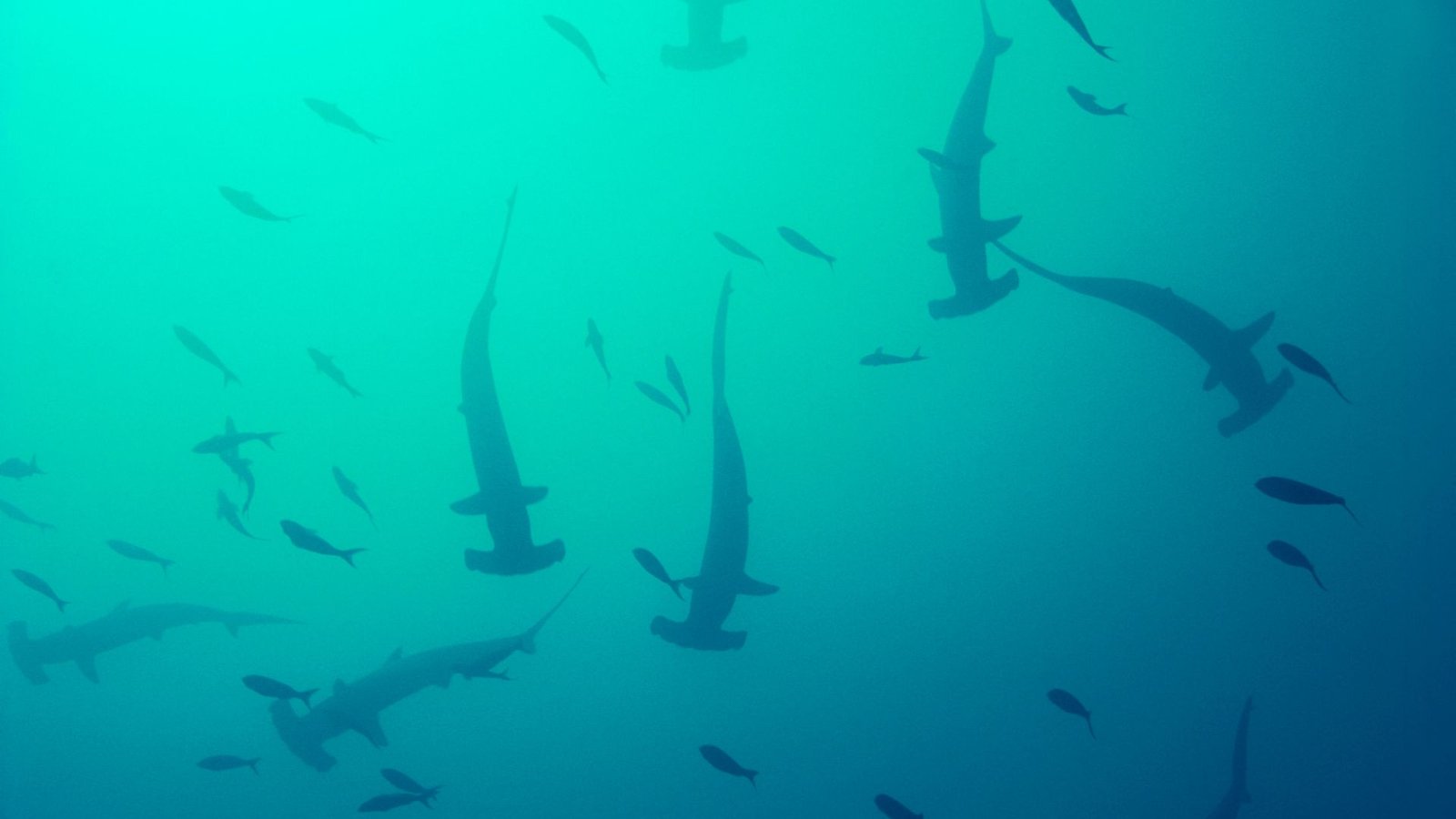
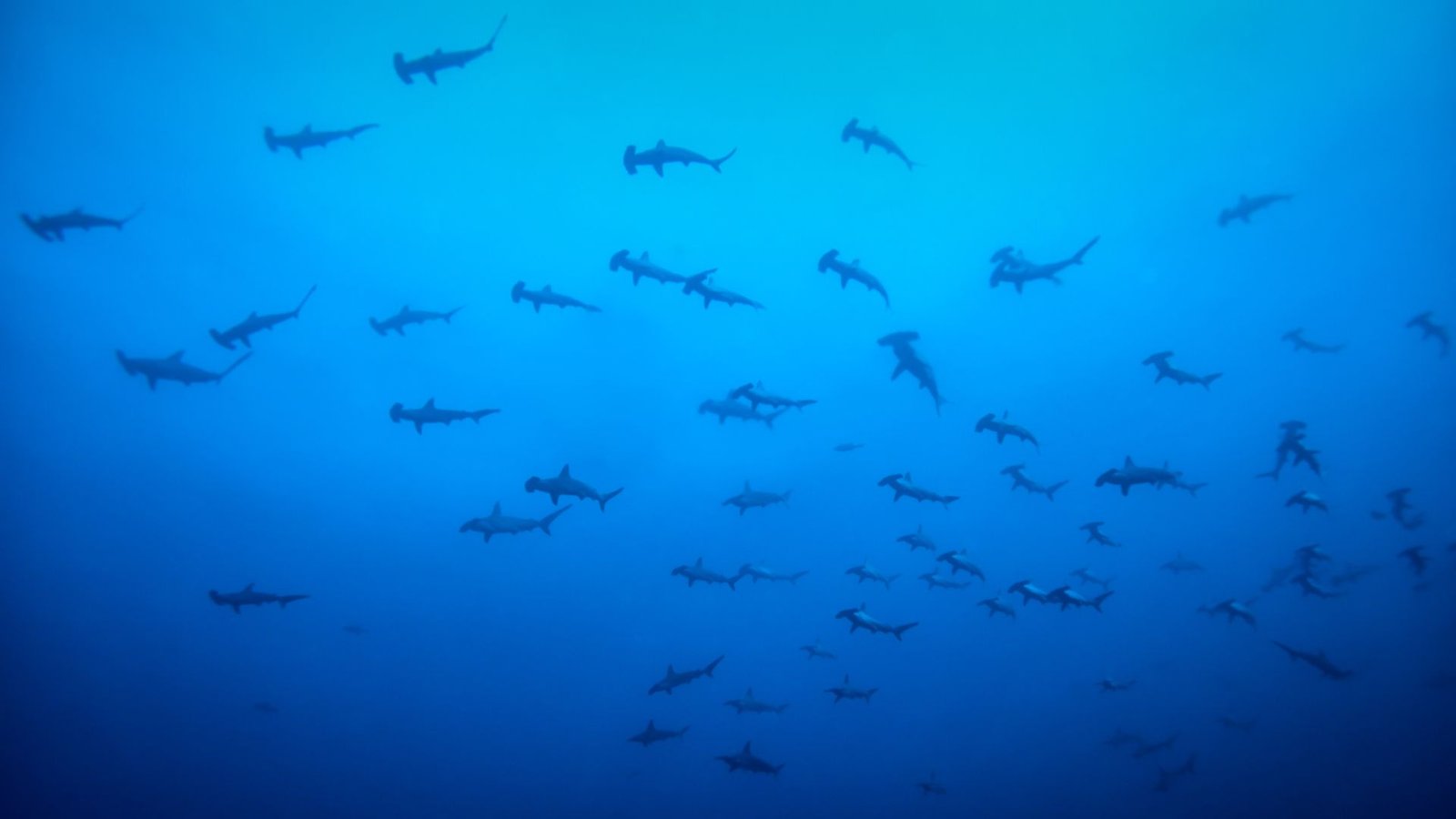
  • Group size: juveniles solitary or small (< 10) in mangroves; adults form seasonal shoals 50–300 over Cocos Ridge.

  • Mating system: polygynandrous; courtship chases and nips observed in mid‑water columns May–July.

  • Territoriality: non‑territorial but show high philopatry to specific seamounts.

  • Communication: body contacts and parallel swimming alignments maintain school cohesion; electro‑receptive signals possible at close range.

  • Special behaviours: visits cleaner‑fish stations (king angelfish, barberfish) to remove parasites; “yo‑yo” vertical movements maximise oxygen intake near hypoxic thermocline.

Distribution and Sighthings ofScalloped Hammerhead(s) in Costa Rica

General Regions of Costa Rica where to find Scalloped Hammerheads

Coral reefs (Cocos and coastal bathymetries)
Pacific Ocean

National Parks and Reserves of Costa Rica where to find Scalloped Hammerheads

Parque Nacional Isla del Coco

Best Time to seeScalloped Hammerhead(s) in Costa Rica

Dry Season
January
February
March
April
June
July
August
September
October
November
December

Media

Videos

Sounds and calls

Taxonomy

Conservation Status

Status IUCN

Threats

⚠️Targeted and by‑catch mortality in long‑line, gill‑net and purse‑seine fisheries (high‑value fins).
⚠️Destruction of coastal mangrove nurseries for shrimp farms & tourism infrastructure.
⚠️High site‑fidelity to predictable seamounts makes populations vulnerable to localised over‑fishing.
⚠️Bioaccumulation of mercury and persistent pollutants in apex tissues.
⚠️Climate‑driven ocean de‑oxygenation compressing habitat into shallower, heavily fished layers.
Fun Facts

  • Iconic “wall of sharks”: hundreds form tight daytime schools circling Cocos Island seamounts before dispersing to hunt at night.

  • Cephalofoil provides 360° stereo‑olfaction—hammerheads sample odour plumes twice as fast as other sharks.

  • Embryos connected to yolk‑sac placenta; intra‑uterine sibling competition minimal compared with lamniform sharks.

  • Demonstrated geomagnetic navigation, returning to the same seamount after > 1 000 km migrations along Equatorial Counter Current.

  • Costa Rica added S. lewini to its Wildlife Conservation Law (2021), banning landing of detached fins.

Origins & Record

Origin Status

Native

Population trend

Decreasing

Added by

Reviewed by

More Species

Galapagos Shark

Robust requiem shark with fusiform body and high, slightly rounded first dorsal fin whose origin lies over (or just anterior to) the free rear tip of the pectorals. Snout long, broad and rounded; eyes circular with nictitating membrane. Dorsum uniform grey‑brown, ventrum white; no prominent flank markings.

Read More »