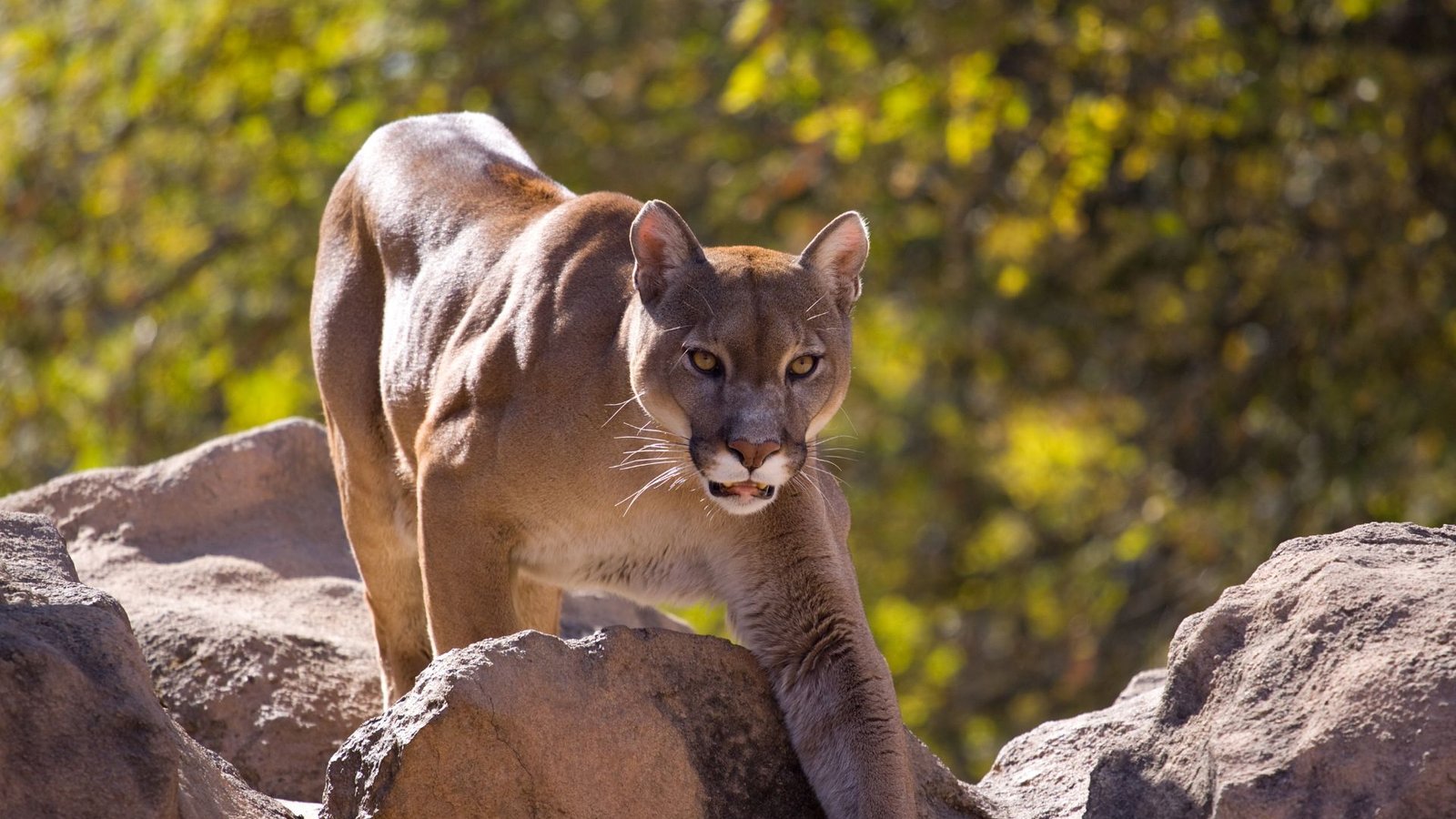
Puma

Puma concolor (Linnaeus, 1771)

Also known / common namesSpanish – Puma, León de Montaña; Bribri – Tsáku; Cabécar – Ùcha

Puma(s) General Description

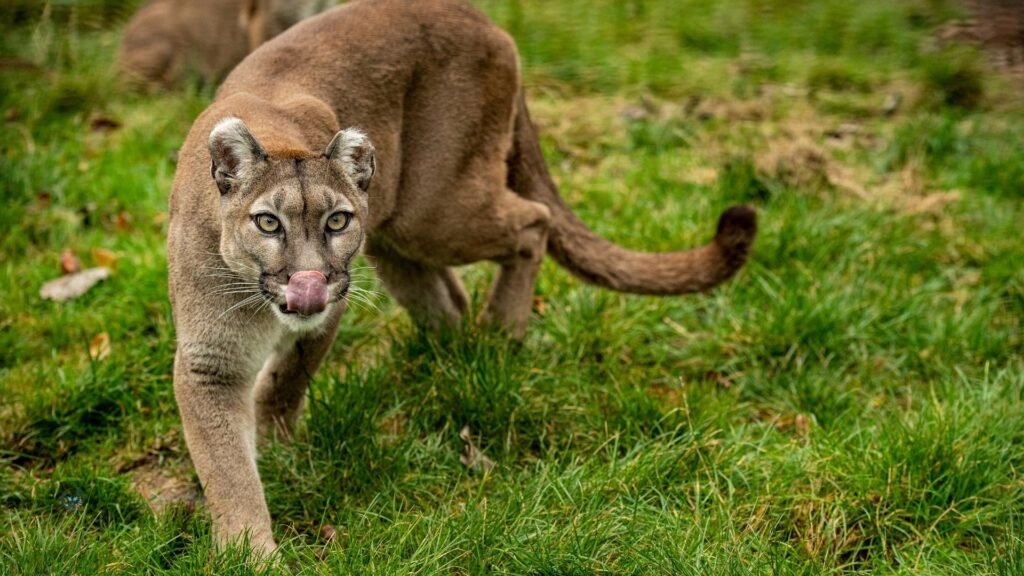
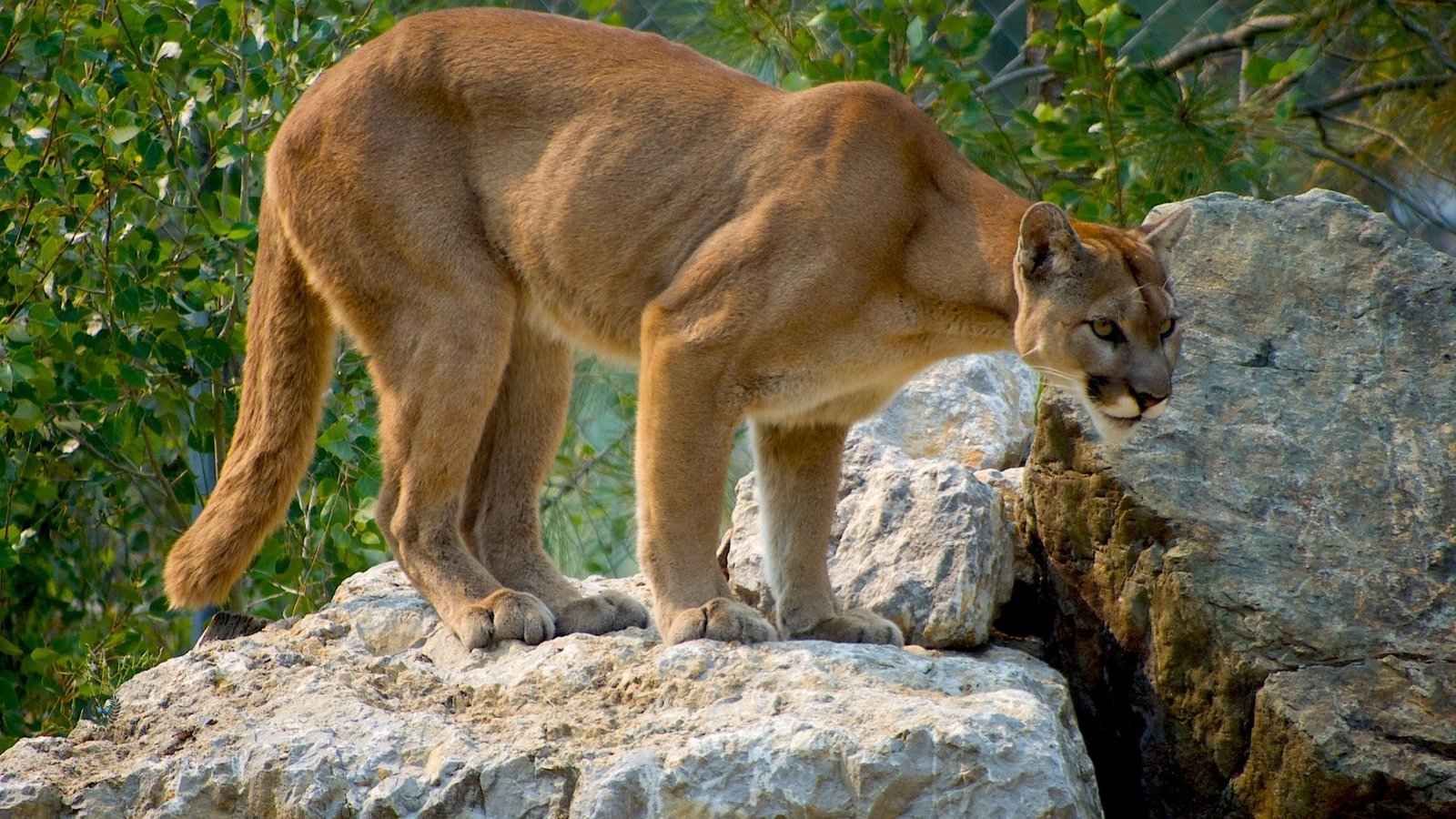
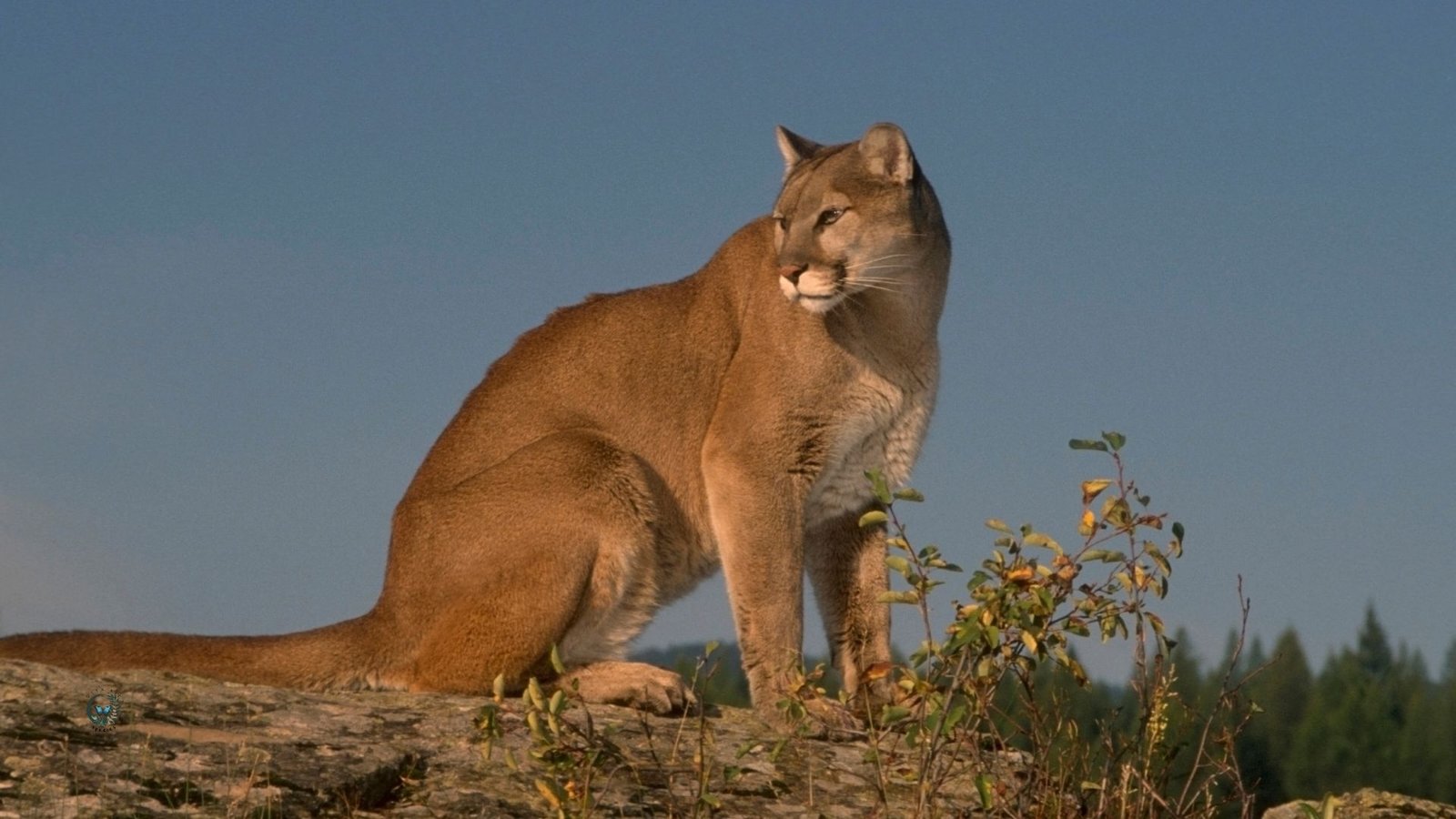
Slender, long‑bodied cat with uniformly tawny to grey‑fawn pelage and a darker dorsal midline; underparts, muzzle and inner limbs are whitish, and the tail ends in a black tip. Adults measure 100–160 cm head–body with a 60–80 cm cylindrical tail; shoulder height 60–75 cm. Adult males average 55–90 kg, females 35–60 kg; tropical individuals tend to be lighter than temperate conspecifics. The head is relatively small with erect, rounded ears and powerful jaws; hind limbs are elongated, enabling horizontal leaps up to 6 m and vertical jumps > 2 m. Kittens are born with dark dorsal stripes and pale spots that fade by 12–14 months

Has Sexual Diamorphism?

males 15–25 % larger and heavier, with proportionally broader heads; females smaller, more slender.

LIFE‑HISTORY & VITAL STATISTICS OF THE Puma(S)

Average Height / Length / Diameter

Head–body 100–160 cm; tail 60–80 cm; shoulder height 60–75 cm

Average Adult Weight / Mass

Males 55–90 kg; females 35–60 kg

Typical Lifespan / Longevity

8–13 yr wild; up to 21 yr captivity

Typical Lifespan / Longevity for males

Data deficient

Typical Lifespan / Longevity for Females

Data deficient

Age at Sexual Maturity

Females 24 mo; males 30 mo

Breading Season

Aseasonal; slight birth peak April–July in Mesoamerica

Gestation

82–96 days

Reproductive Outcome

Number of Offspring per Event: 1–6 kittens (mean 2–3); interval ≈ 24 mo

Ecology and Behaviour for Puma(s)

Slender, long‑bodied cat with uniformly tawny to grey‑fawn pelage and a darker dorsal midline; underparts, muzzle and inner limbs are whitish, and the tail ends in a black tip. Adults measure 100–160 cm head–body with a 60–80 cm cylindrical tail; shoulder height 60–75 cm. Adult males average 55–90 kg, females 35–60 kg; tropical individuals tend to be lighter than temperate conspecifics. The head is relatively small with erect, rounded ears and powerful jaws; hind limbs are elongated, enabling horizontal leaps up to 6 m and vertical jumps > 2 m. Kittens are born with dark dorsal stripes and pale spots that fade by 12–14 months

Habitat

One of the most habitat‑generalist felids: occupies tropical rain forest, seasonal dry forest, thorn scrub, savanna, temperate conifer forest and high‑Andean páramo from sea‑level mangroves to > 4 500 m. Key requirements are sufficient cover for stalking, a stable ungulate prey base and rugged terrain or riparian corridors for denning.

Predominantly active during Night

Trophic Chain

Large, opportunistic mesopredator taking white‑tailed deer, peccaries, agoutis and armadillos; also consumes small prey and scavenges.

Interespecies relationships noted for Puma

Mutualism +/+

No documented case.

Symbiosis + / 0

Gut microbiota (e.g., Clostridium, Fusobacterium) ferment collagen‑rich diet, producing short‑chain fatty acids usable by the puma.

Commensalism + / 0

Turkey vultures (Cathartes aura) scavenge remains of puma kills; cat unaffected.

Inquilinism + / 0

Crested owls (Lophostrix cristata) may nest in abandoned puma day dens beneath buttress roots.

Phoresy + / 0

No documented case.

Tanatocresis + / 0

Hermit crabs along coastal forests use fragmented sea‑turtle shells left by puma predation as new housing.

Parasitism + / –

Ticks (Amblyomma cajennense), fleas (Pulex simulans), and lung nematode Aelurostrongylus abstrusus feed on or infect pumas.

Predation + / –

Puma preys on white‑tailed deer (Odocoileus virginianus), collared peccary (Dicotyles tajacu), agouti and occasionally livestock.

Amensalism 0 / –

Presence of pumas depresses activity of medium‑sized carnivores (e.g., coati, ocelot) through fear and kleptoparasitism without measurable benefit to the puma.

Competition – / –

Competes with jaguar (Panthera onca) and coyote (Canis latrans) for overlapping prey; spatial or temporal partitioning reduces direct conflict.

Social behaviour of Puma

  • Activity pattern: crepuscular–nocturnal in most regions; may shift to diurnal at high latitudes or where jaguars are absent.

  • Grouping: solitary except during brief courtship (5 – 10 days) and extended mother‑kitten associations (up to 26 months).

  • Territoriality: adult males defend 150–600 km² ranges overlapping 2–5 female ranges; females defend 50–200 km². Boundaries advertised by scrape mounds, urine spraying and caterwauling calls.

  • Mating system: polygynous; a resident male may sire litters across multiple female territories.

  • Communication: low‐frequency screams, growls, chirps; olfactory marking at “community scrapes” facilitates asynchronous signalling.

  • Special behaviours: remarkable leaping ability (horizontal ≈ 6 m, vertical > 2 m); will cache large prey under leaves and return for multiple feedings; occasionally practices surplus killing when ungulates are abundant.

Distribution and Sighthings ofPuma(s) in Costa Rica

General Regions of Costa Rica where to find Pumas

Tropical
Seasonal dry forest (Guanacaste)
Tropical rainforest (Caribbean and North Pacific slopes)

National Parks and Reserves of Costa Rica where to find Pumas

Parque Nacional Volcán Arenal
Parque Nacional Braulio Carrillo
Parque Nacional Carara
Parque Nacional Corcovado
Parque Nacional Guanacaste
Parque Nacional Juan Castro Blanco
Parque Internacional La Amistad
Parque Nacional Palo Verde
Parque Nacional Piedras Blancas
Parque Nacional Rincón de la Vieja
Parque Nacional Santa Rosa
Parque Nacional Tapantí – Macizo Cerro de la Muerte
Parque Nacional Tenorio
Reserva Forestal Golfo Dulce
Reserva Biológica Hitoy-Cerere
Refugio Nacional de Fauna Silvestre Golfito

Best Time to seePuma(s) in Costa Rica

Dry Season
January
February
March
April
June
July
August
September
October
November
December

Media

Videos

Sounds and calls

Taxonomy

Conservation Status

Status IUCN

Threats

⚠️Habitat fragmentation reducing territory size and genetic flow. [2]
⚠️Conflict with ranchers leading to retaliatory killings where livestock depredation occurs.
⚠️Depletion of medium‑sized prey through bush‑meat hunting.
⚠️Vehicle collisions on expanding road networks crossing corridors.
⚠️Potential competition escalation with recovering jaguar populations in limited habitat.

Fun Facts

  • Exhibits the widest latitudinal range of any New‑World mammal (Yukon → Patagonia).

  • Can sprint 72 km h⁻¹ and leap 6 m horizontally—record for any mammal relative to size.

  • Predominantly crepuscular to nocturnal in Costa Rica, reducing overlap with human activity.

  • Possesses the most complex vocal repertoire of any small cat, including whistles, chirps and purrs; cannot roar.

Origins & Record

Origin Status

Native

Population trend

Increasing

Added by

Reviewed by

External Resources

More Species