

Jaguar

Panthera onca (Linnaeus, 1758)

Also known / common namesJaguar (Esp.); , Pantera (if Black) Tigre Americano / Tigre (local colloquial in parts of Mesoamerica); Yaguará / Yaguar / Yaguareté (regional Indigenous/Spanish variants); Onça / Onça-preta (Port.); Black jaguar = melanistic morph (“negro”).

Jaguar(s) General Description

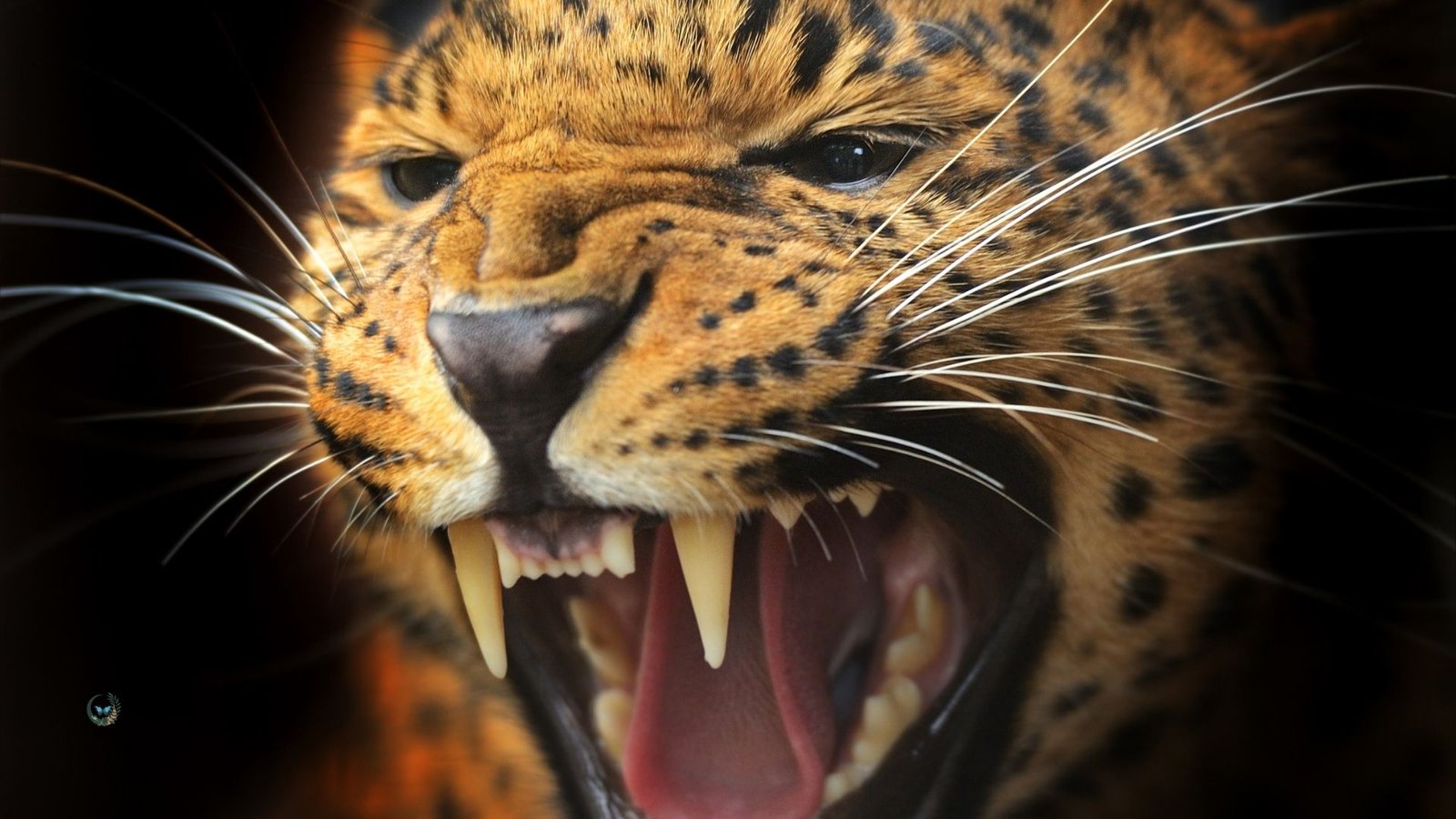
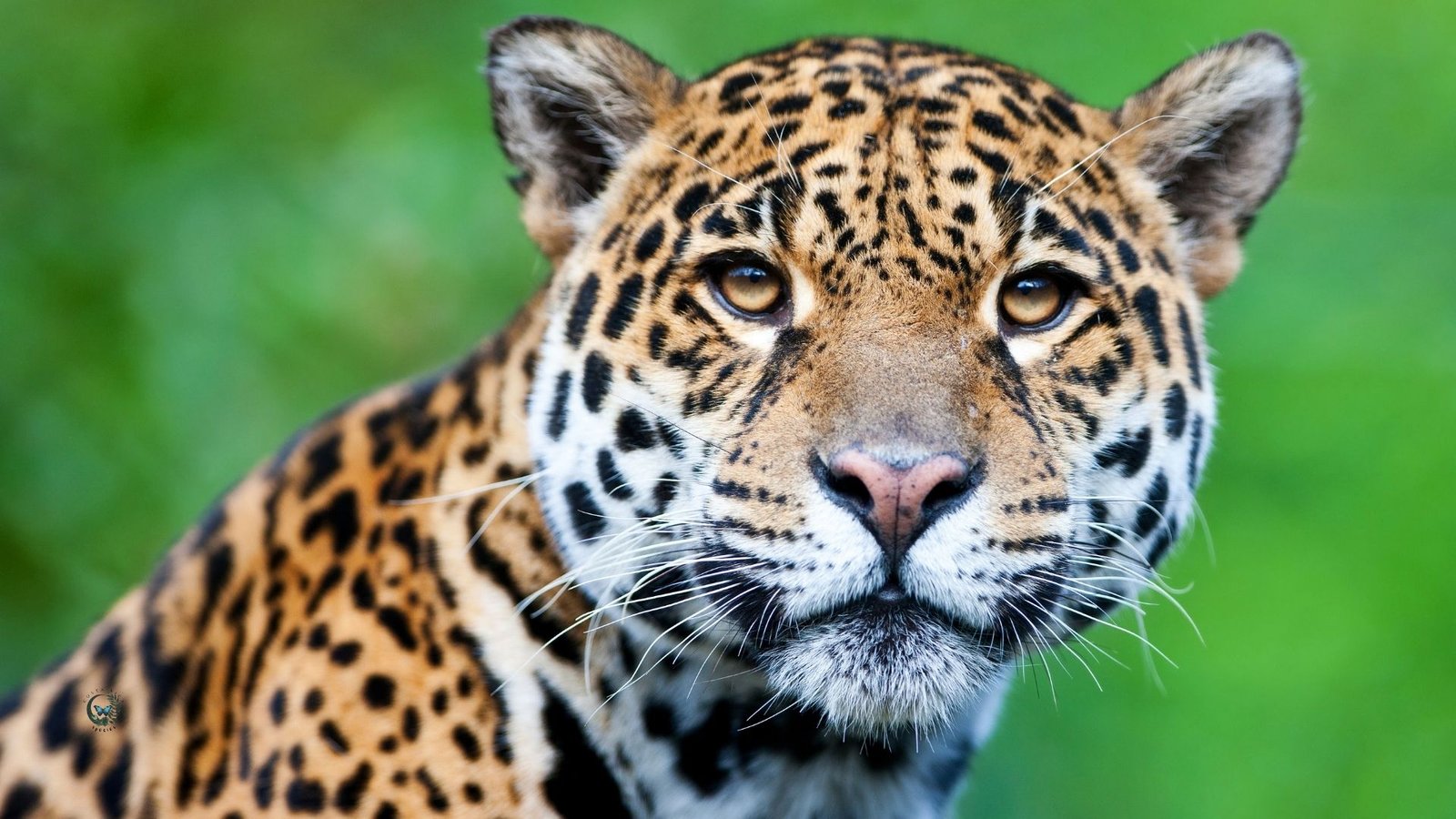
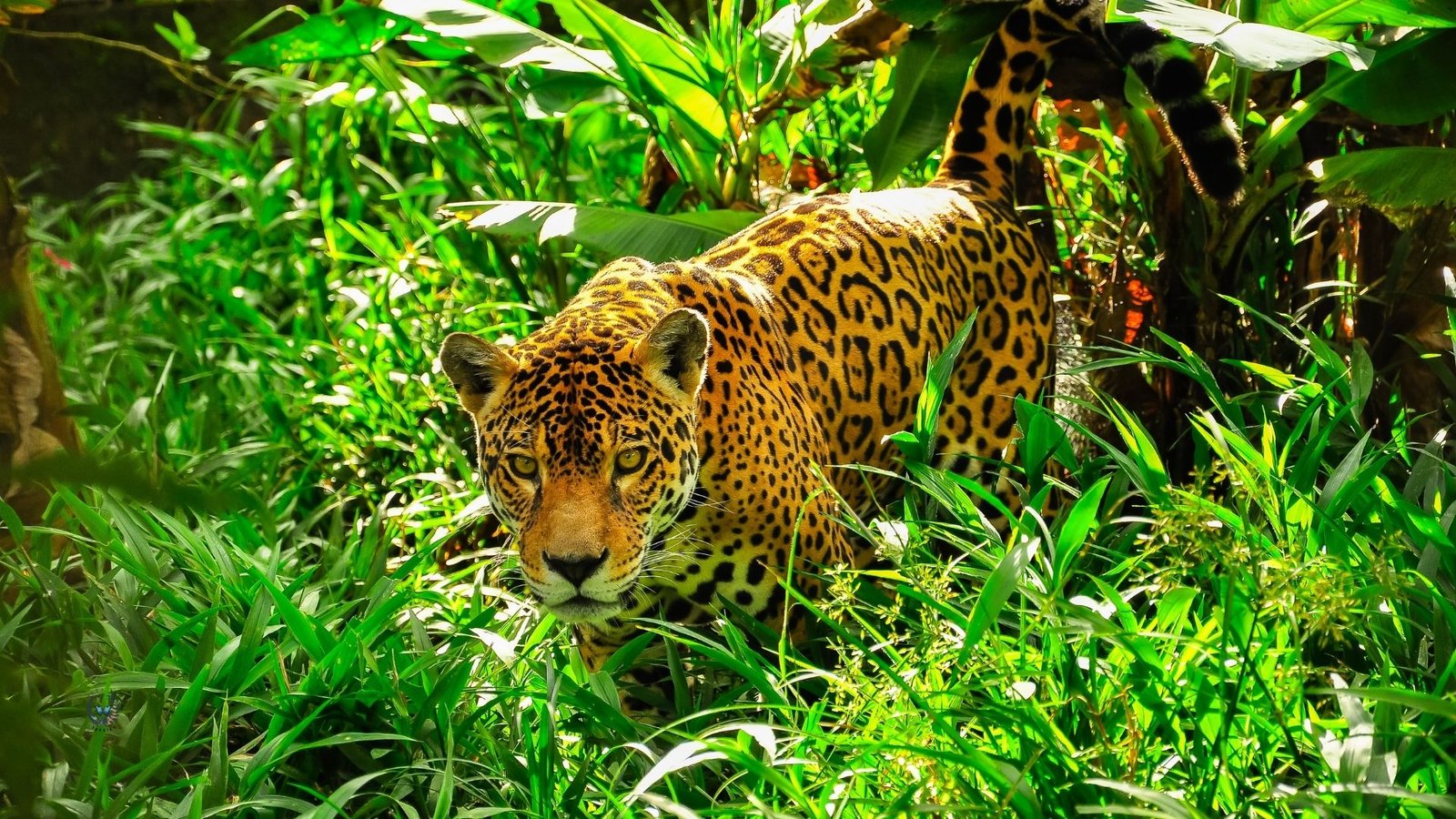
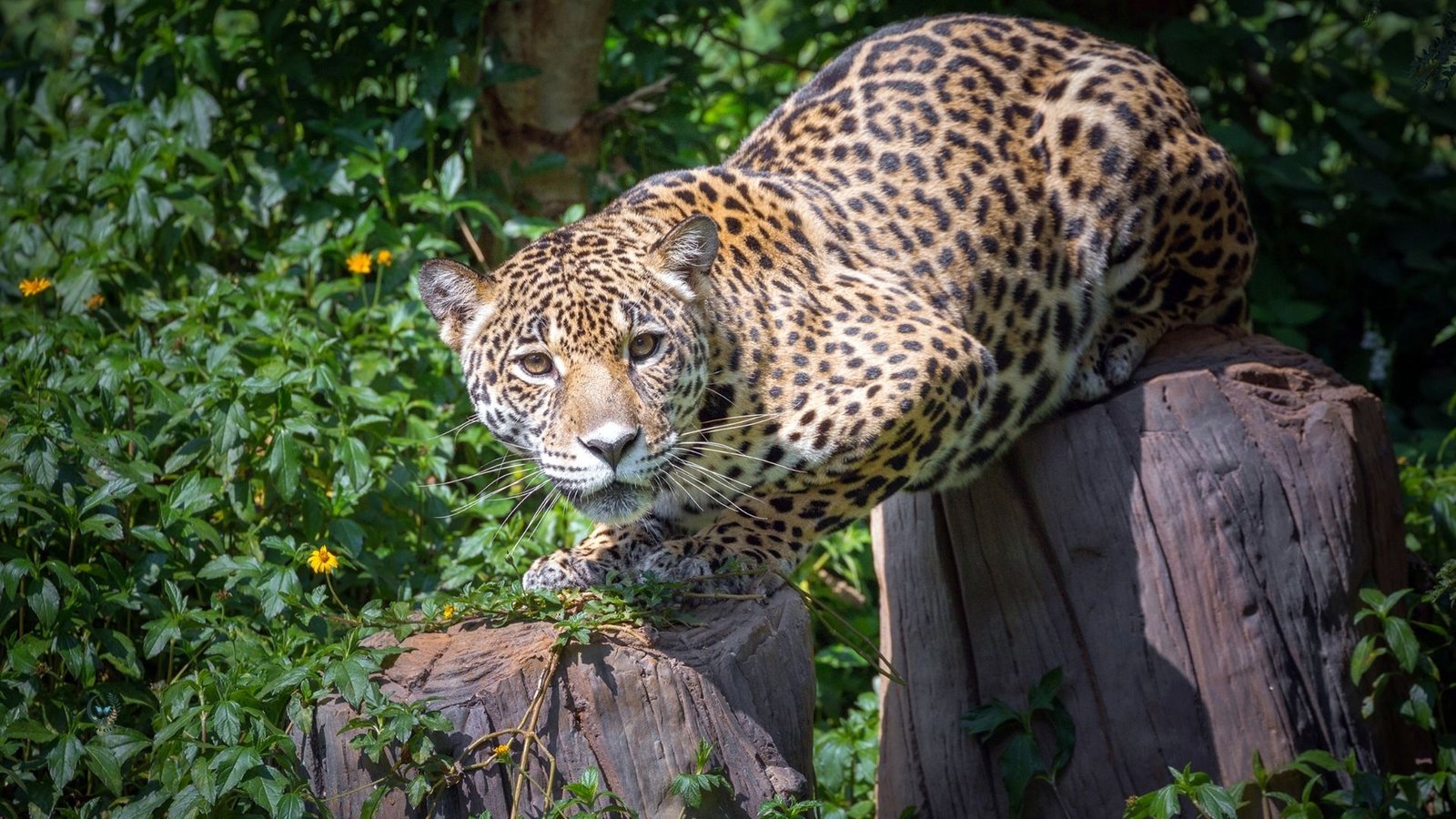
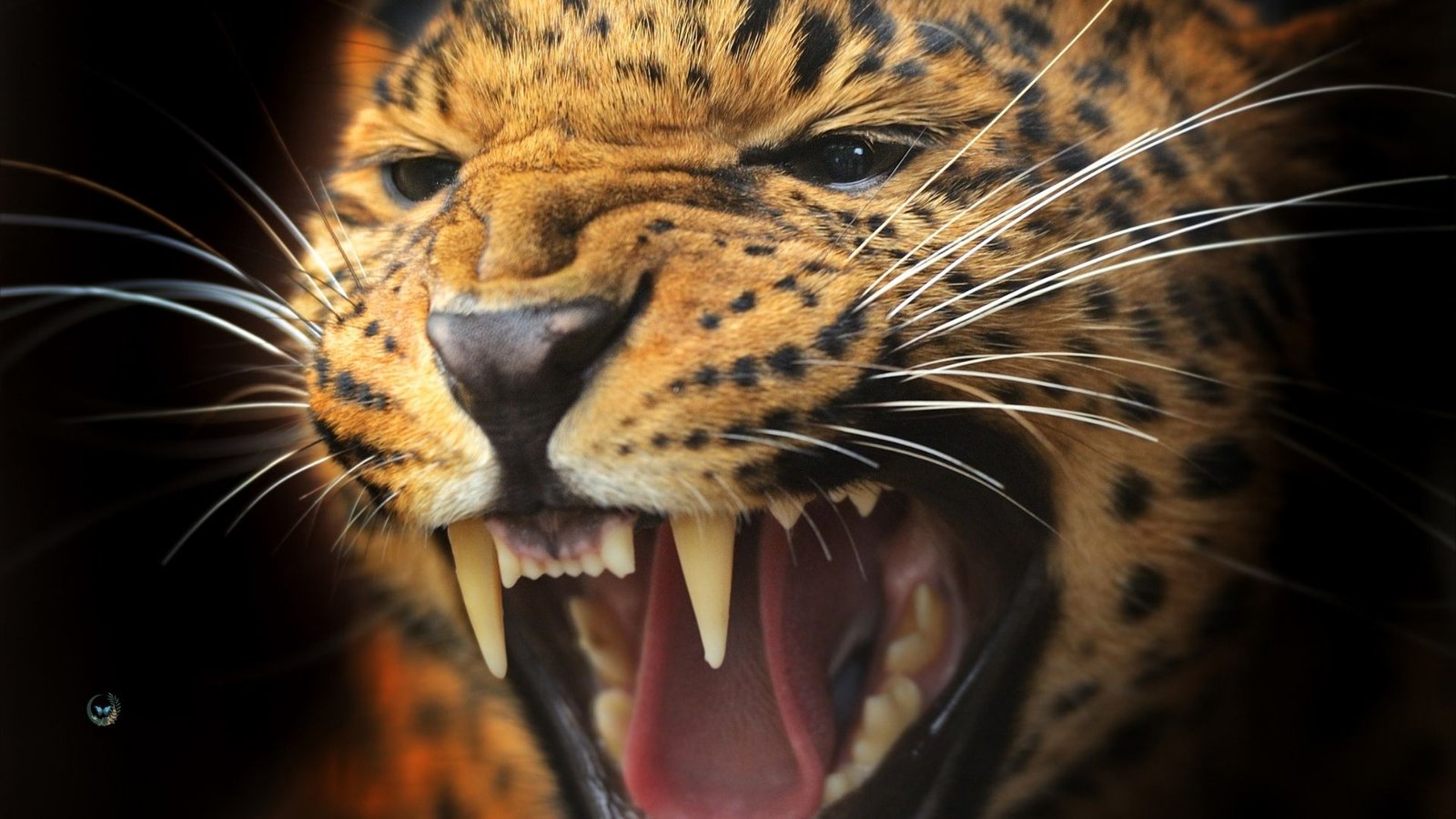
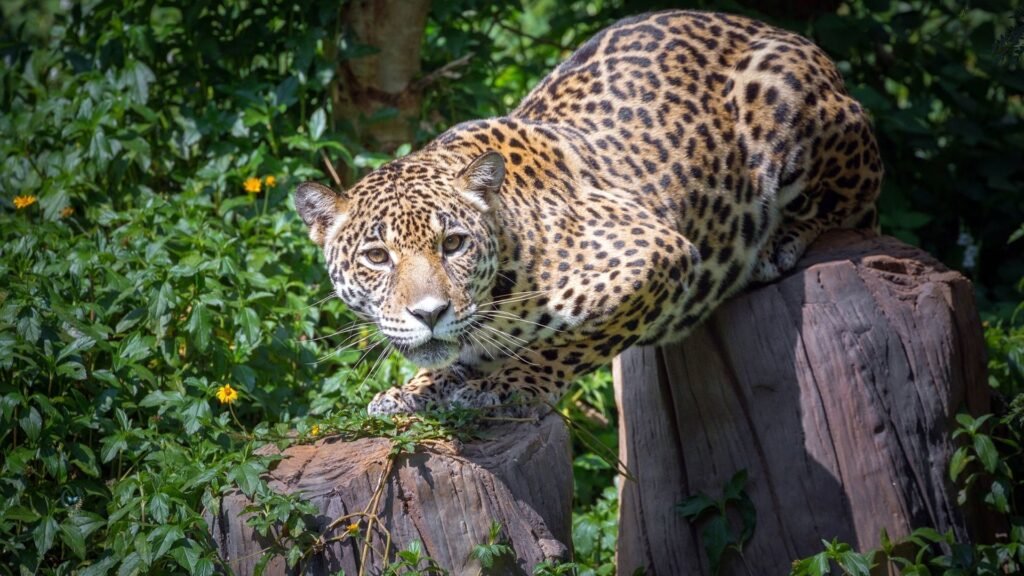
  • The jaguar is the largest felid native to the Americas and a stocky, powerfully built big cat with a massive head, very strong jaws, and relatively short, muscular limbs.
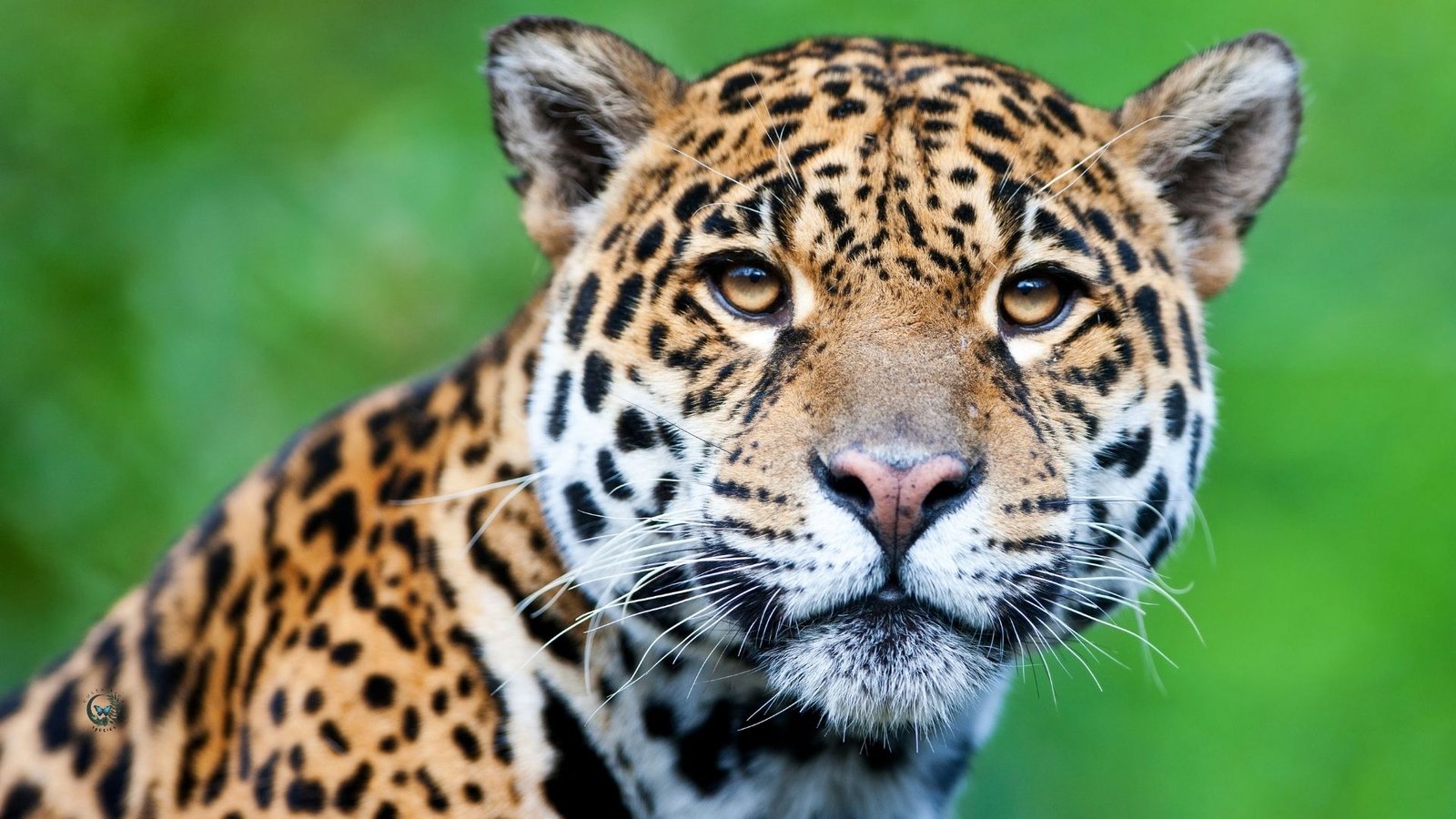
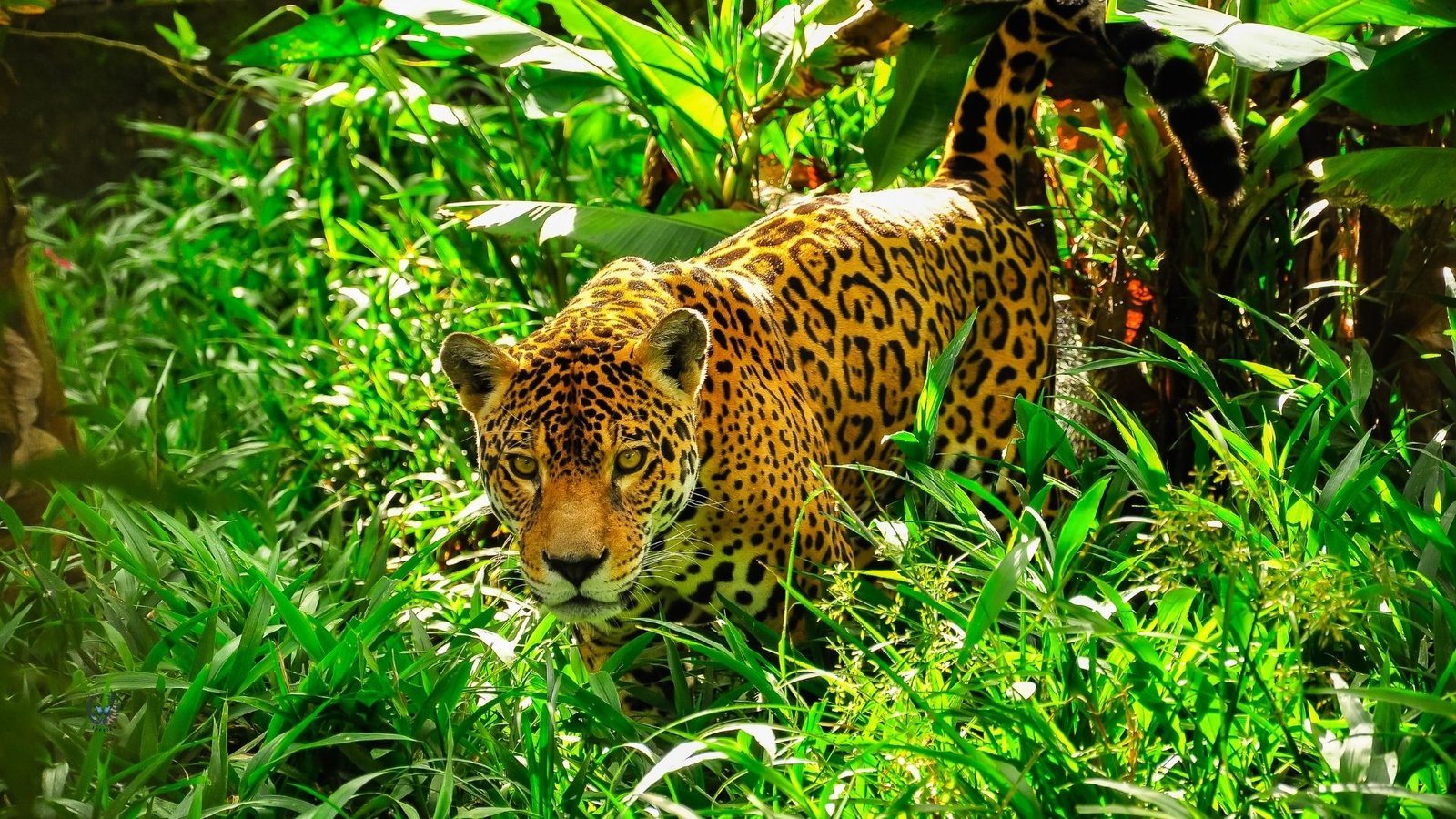
  • Coat ground color ranges from pale yellow to tawny or reddish, overlaid with distinctive black rosettes that typically encircle one or more central spots (helping distinguish it from the leopard).
  • Melanistic (“black”) individuals occur at low frequencies in some forested populations.
  • Adults vary markedly in size across their range: Central American animals tend to be smaller than those from the Pantanal or Venezuelan Llanos; males are heavier and larger than females (see Sexual Dimorphism below).

Has Sexual Diamorphism?

Jaguars are sexually dimorphic primarily in body size (males larger/heavier).

Across populations, males average roughly 10–20% heavier/longer than females, though some study populations report >30% weight differences. Both sexes share the same rosette patterning; melanism affects either sex.

LIFE‑HISTORY & VITAL STATISTICS OF THE Jaguar(S)

Average Height / Length / Diameter

Head–body 112–185 cm; tail 45–75 cm; shoulder height 63–76 cm

Average Adult Weight / Mass

56–96 kg

Typical Lifespan / Longevity

11–15 yr wild; up to 26 yr captivity

Typical Lifespan / Longevity for males

Not enough data

Typical Lifespan / Longevity for Females

Not enough data

Age at Sexual Maturity

Females 24–30 mo; males ≈ 36 mo

Breading Season

Aseasonal in tropics; births peak March–July

Gestation

Reproductive Outcome

1–4 cubs /event (avg 2); litters ≈ every 2 yr

Ecology and Behaviour for Jaguar(s)

  • The jaguar is the largest felid native to the Americas and a stocky, powerfully built big cat with a massive head, very strong jaws, and relatively short, muscular limbs.
  • Coat ground color ranges from pale yellow to tawny or reddish, overlaid with distinctive black rosettes that typically encircle one or more central spots (helping distinguish it from the leopard).
  • Melanistic (“black”) individuals occur at low frequencies in some forested populations.
  • Adults vary markedly in size across their range: Central American animals tend to be smaller than those from the Pantanal or Venezuelan Llanos; males are heavier and larger than females (see Sexual Dimorphism below).

Habitat

Jaguars thrive in large, contiguous blocks of humid and sub-humid forest—including lowland rain forest, seasonally dry deciduous forest, gallery forest, mangroves and freshwater wetlands—where dense cover, year-round water and high prey biomass coexist. They also traverse cattle pasture mosaics if riparian corridors remain intact.

Trophic Chain

Apex carnivore / keystone predator influencing prey populations (medium–large mammals, reptiles, occasionally fish) and indirectly shaping vegetation through trophic cascades. Documented diet breadth exceeds ~85 prey taxa range-wide; in Costa Rica key wild prey include peccaries, deer, tapirs, armadillos, and when available, marine turtles on nesting beaches (notably green turtles at Tortuguero). Where wild prey depleted, livestock depredation increases, escalating human conflict.

Interespecies relationships noted for Jaguar

Mutualism +/ +

No documented case.

Symbiosis + / +

Intestinal microbiota ferment collagen-rich diet, aiding nutrient uptake while receiving habitat and nourishment.

Commensalism + / 0

King vultures (Sarcoramphus papa) and caracaras feed on carcass remains left by a jaguar kill; jaguar unaffected.

Inquilinism + / 0

Armadillos re-occupy abandoned underground dens excavated by jaguars during prey pursuit.

Phoresy + / 0

No documented case.

Tanatocresis + / 0

No documented case.

Parasitism + / –

Ticks (Amblyomma cajennense), botflies (Cuterebra) and Toxoplasma protozoans feed on or infect the jaguar.

Predation + / –

Jaguar preys on collared peccary (Dicotyles tajacu), white-tailed deer (Odocoileus virginianus), caimans and sea turtles.

Amensalism 0 / –

Dense jaguar scent-marking suppresses smaller carnivores’ space use (e.g., ocelot), with no reciprocal effect on the jaguar.

Competition – / –

Competes with puma (Puma concolor) and spectacled bear (Tremarctos ornatus in north Andes) for overlapping prey base.

Social behaviour of Jaguar

  • Activity pattern: mostly crepuscular–nocturnal; peaks around dusk and dawn.

  • Grouping: strictly solitary except for brief courtship (≈ 3 – 12 days) and mother-cub units (stay together 18 – 24 months).

  • Territoriality: males defend expansive ranges (up to 400 km²) overlapping several female ranges; territory boundaries marked by scrapes, urine sprays and tree-clawing.

  • Communication: deep chest “roars” (saws), grunts, nose-to-nose greeting, olfactory sign-posts; long-distance contact mainly acoustic.

  • Special behaviours: excels at ambush predation, often performing skull-piercing bite to braincase; strong swimmer—hunts caimans, fish and turtles; occasionally caches large prey under leaf litter for later feeding.

Distribution and Sighthings ofJaguar(s) in Costa Rica

General Regions of Costa Rica where to find Jaguars

Tropical
Subtropical
Mangroves
Wetlands and swamps
Tropical rainforest (Caribbean and North Pacific slopes)
Low Tropical

National Parks and Reserves of Costa Rica where to find Jaguars

Parque Nacional Barra Honda
Parque Nacional Braulio Carrillo
Parque Nacional Cahuita
Parque Nacional Carara
Parque Nacional Corcovado
Parque Internacional La Amistad
Parque Nacional Tenorio
Parque Nacional Tortuguero
Refugio Nacional de Fauna Silvestre Caño Negro
Refugio Nacional de Vida Silvestre Gandoca-Manzanillo

Best Time to seeJaguar(s) in Costa Rica

Dry Season
January
February
March
April
September

Media

Videos

Sounds and calls

Taxonomy

Conservation Status

Status IUCN

Threats

⚠️Habitat loss & fragmentation from deforestation, agriculture, infrastructure, and human settlement reduce contiguous territories and sever dispersal corridors.
⚠️Retaliatory killing & persecution arise when jaguars depredate livestock, a problem exacerbated by prey depletion from hunting.
⚠️Illegal killing & trade (skins, teeth, body parts) persists despite legal protection
⚠️Prey base reduction through bushmeat hunting lowers carrying capacity.
⚠️Connectivity erosion in narrow Mesoamerican land bridge heightens risk of small, isolated subpopulations.

Fun Facts

Only Panthera species native to the Americas; third largest big cat globally (after tiger, lion).
IUCN CatSG
Defenders of Wildlife

Exceptional bite force among big cats; often kills by piercing skull or carapace—an adaptation useful for armored prey (tortoises, turtles, caimans).
IUCN CatSG
SciELO Costa Rica

Strong swimmer; frequently hunts along rivers, wetlands, and coastal beaches (famously marine turtle predation at Tortuguero).
SciELO Costa Rica
Diversidad Animal

Melanistic (“black”) jaguars are rare (<10% of individuals) but have been camera-trapped in Costa Rica’s Talamanca Mountains.
ticotimes.net
IUCN CatSG

Keystone / umbrella species: conserving large, connected jaguar habitat safeguards many co-occurring species.
Defenders of Wildlife
The Jaguar Project

Origins & Record

Origin Status

Native

Population trend

Increasing

Added by

Reviewed by

More Species

Bristly Tropical Cup Fungus

Apothecial, stalked cup fungus 1 – 3 cm in diameter held atop a slender, whitish stipe 2 – 5 cm tall. Cup exterior and limb densely covered with fine white to translucent bristles (setae) 1–2 mm long; inner hymenial surface smooth, vivid salmon‑pink to orange. Flesh thin, rubbery; when hydrated the cup margin flares outward. Asci cylindrical, eight‑spored; ascospores hyaline, ellipsoid, 40 – 48 × 6 – 8 µm with guttules. Emits no noticeable odour. Often fruits in small, trooping clusters on well‑decayed hardwood sticks.

Read More »