




Broad-winged Hawk

Buteo platypterus (Vieillot, 1823)

Also known / common namesHalcón Aliancho

Broad-winged Hawk(s) General Description

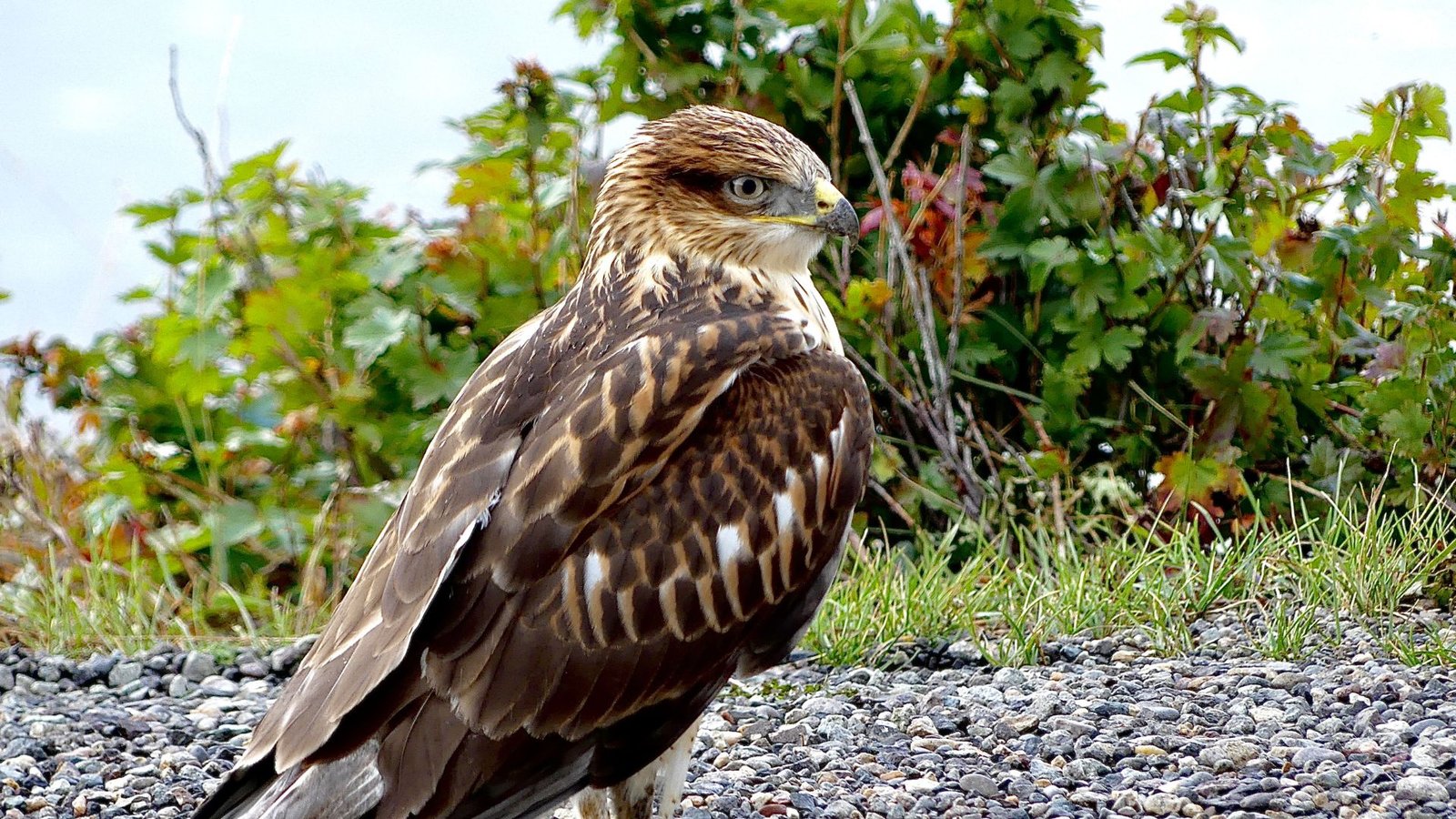
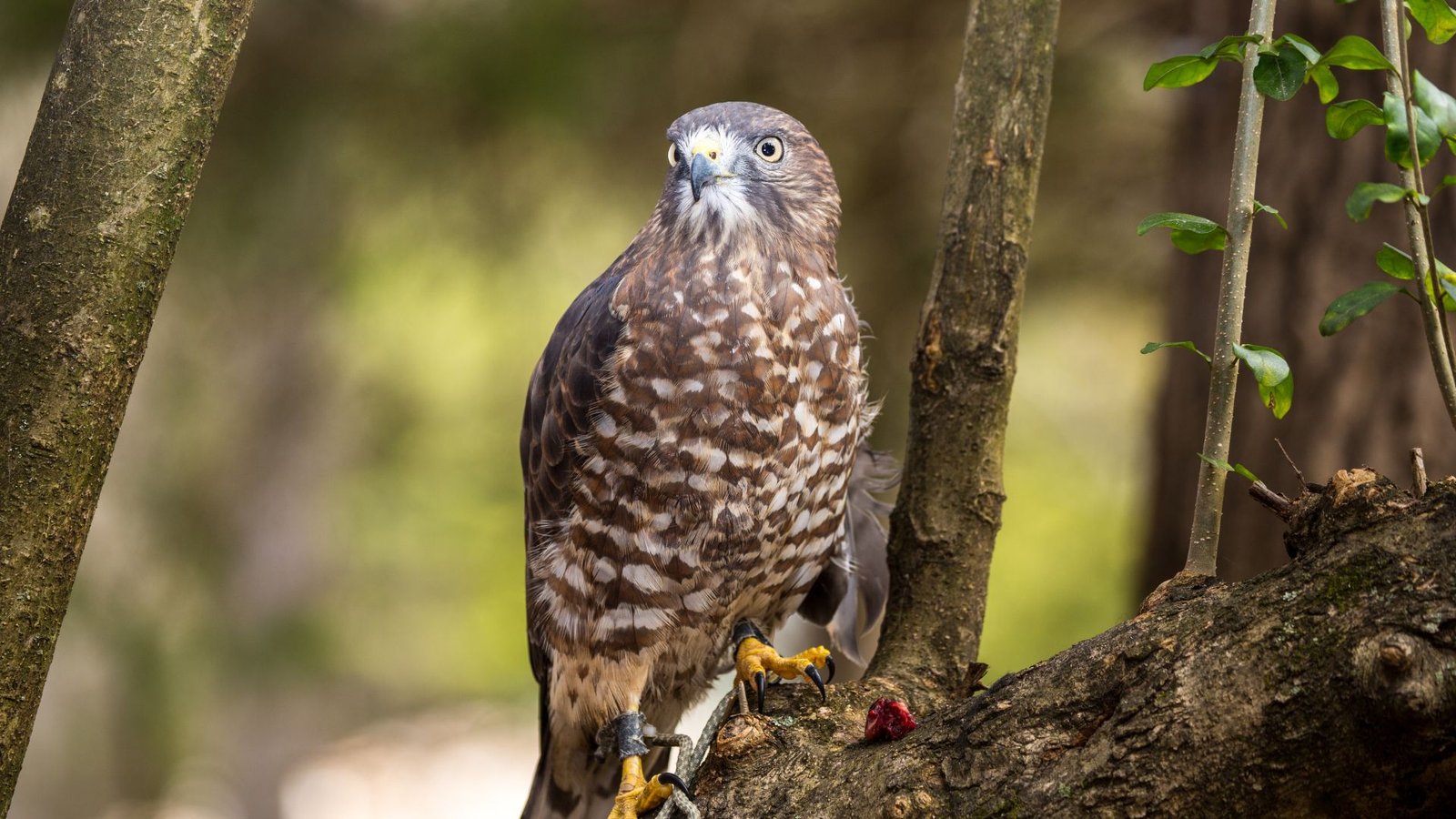
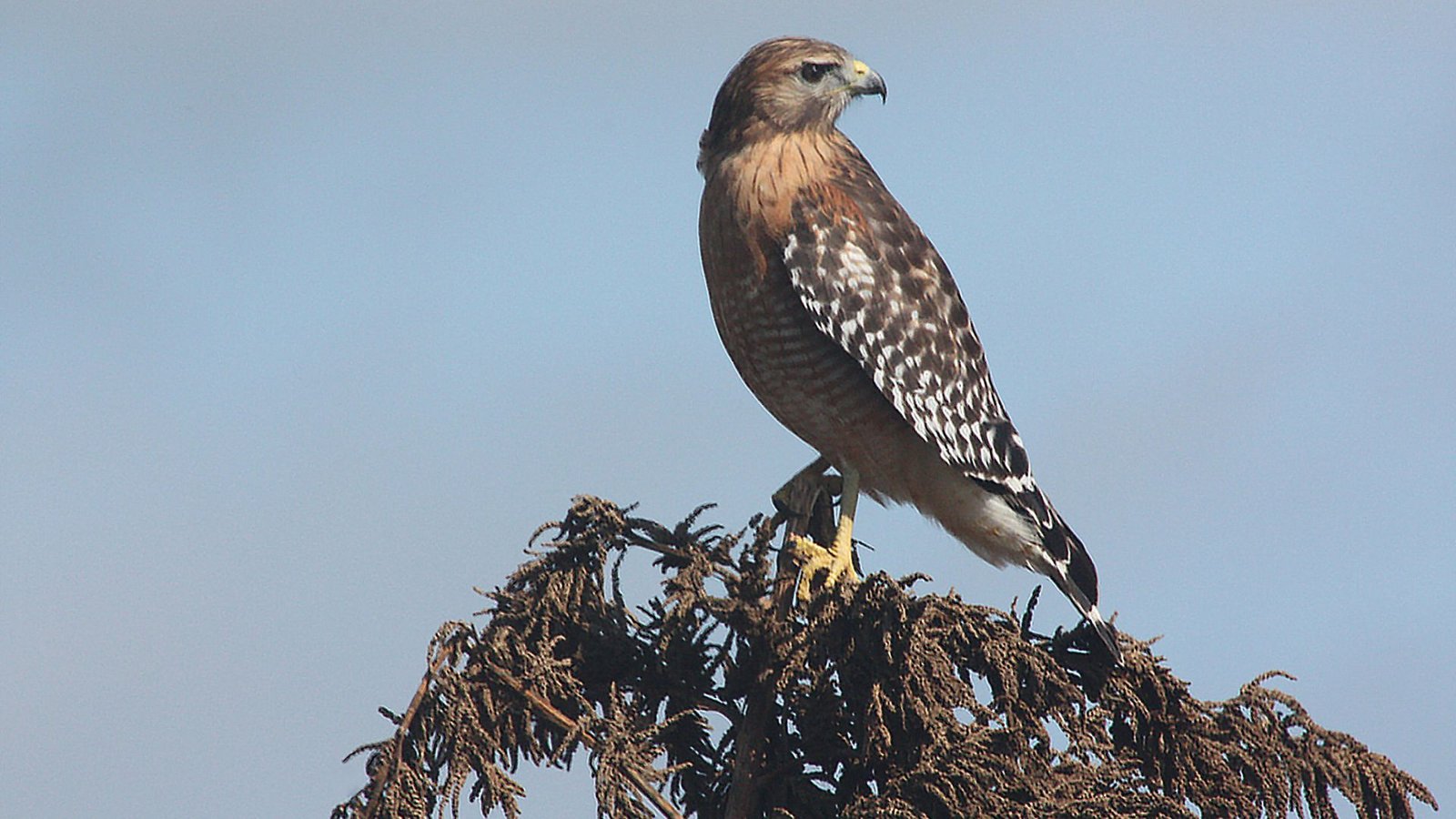
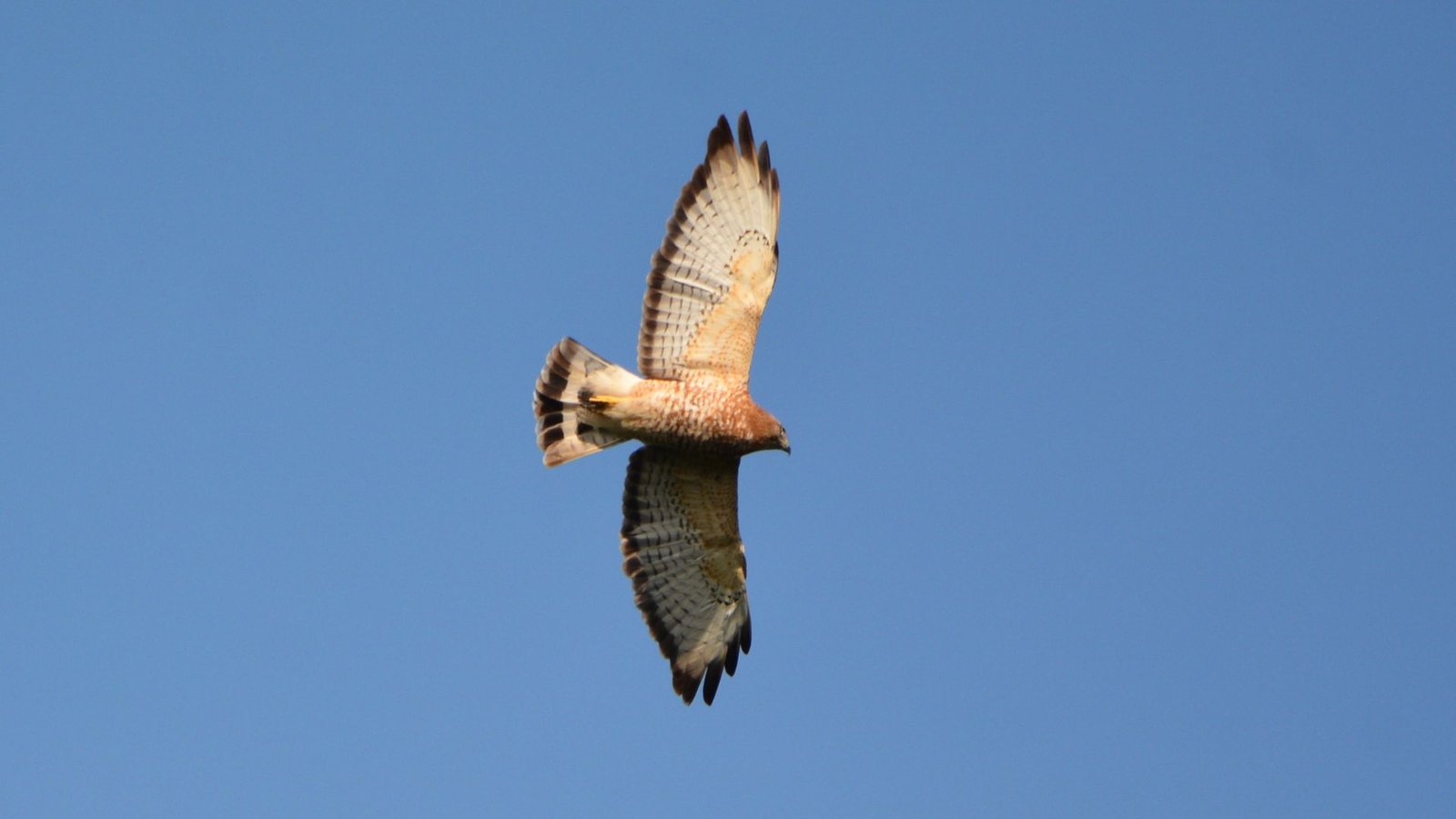
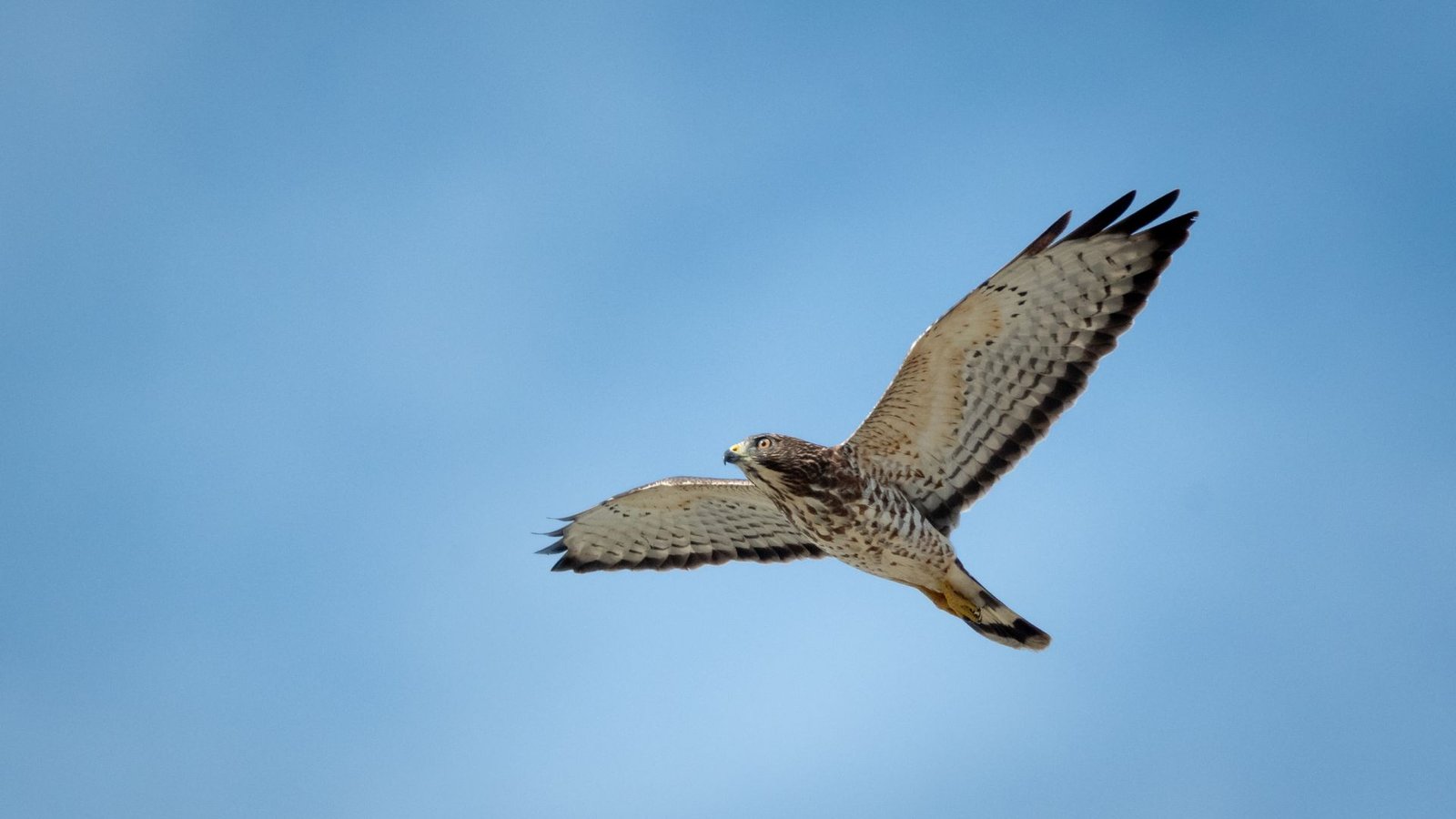
The Broad-winged Hawk is a compact Buteo with relatively short, broad wings and a short, square-tipped tail. Adults have brown upperparts, pale underparts with fine horizontal barring, and a distinctive black-and-white banded tail. Juveniles are lighter below with streaked underparts and less distinct tail banding. Body length is typically 34–44 cm, wingspan 81–100 cm, and mass 265–560 g. The species is built for soaring and gliding, with broad wings that aid in thermal riding during migration. Plumage shows little sexual dimorphism, though females are slightly larger. Vocalizations are high-pitched, whistled calls, especially during breeding.

Has Sexual Diamorphism?

females larger than males; plumage differences minimal.

LIFE‑HISTORY & VITAL STATISTICS OF THE Broad-winged Hawk(S)

Average Height / Length / Diameter

34–44 cm length

Average Adult Weight / Mass

265–560 g

Typical Lifespan / Longevity

~12 years in wild

Typical Lifespan / Longevity for males

Data deficient

Typical Lifespan / Longevity for Females

Data deficient

Age at Sexual Maturity

~2 years

Breading Season

Apr–Jul in North America; in Costa Rica, resident subspecies breed Mar–Jun

Gestation

Reproductive Outcome

Clutch of 1–4 eggs; one brood/year

Ecology and Behaviour for Broad-winged Hawk(s)

The Broad-winged Hawk is a compact Buteo with relatively short, broad wings and a short, square-tipped tail. Adults have brown upperparts, pale underparts with fine horizontal barring, and a distinctive black-and-white banded tail. Juveniles are lighter below with streaked underparts and less distinct tail banding. Body length is typically 34–44 cm, wingspan 81–100 cm, and mass 265–560 g. The species is built for soaring and gliding, with broad wings that aid in thermal riding during migration. Plumage shows little sexual dimorphism, though females are slightly larger. Vocalizations are high-pitched, whistled calls, especially during breeding.

Habitat

Prefers forest edges, open woodlands, and clearings; in Costa Rica, found from lowlands to montane slopes, including second-growth and agricultural mosaics.

Trophic Chain

Opportunistic predator; consumes small mammals, reptiles, amphibians, birds, and large insects.

Interespecies relationships noted for Broad-winged Hawk

Mutualism +/+

Data deficient

Symbiosis +/+

Data deficient

Commensalism +/0

Foraging near forest edges disturbed by mammals or humans

Inquilinism +/0

Data deficient

Phoresy +/0

Data deficient

Tanatocresis +/0

Taking prey flushed by agricultural activity

Parasitism +/-

Feather lice and mites

Predation -/+

Occasional prey for larger raptors such as Geranoaetus melanoleucus

Amensalism 0/-

Pesticide use reducing insect prey

Competition -/-

Competes with Roadside Hawk for small vertebrate prey

Social behaviour of Broad-winged Hawk

Diurnal; solitary or in pairs during breeding season. Highly social during migration, forming large flocks in thermals. Uses soaring flight to conserve energy. Courtship involves aerial displays and vocal calls. Territorial during breeding, but tolerant of conspecifics in non-breeding season.

Distribution and Sighthings ofBroad-winged Hawk(s) in Costa Rica

General Regions of Costa Rica where to find Broad-winged Hawks

Tropical
Seasonal dry forest (Guanacaste)
Tropical rainforest (Caribbean and North Pacific slopes)

National Parks and Reserves of Costa Rica where to find Broad-winged Hawks

Parque Nacional Volcán Arenal
Parque Nacional Barra Honda
Parque Nacional Braulio Carrillo
Parque Nacional Cahuita
Parque Nacional Carara
Parque Nacional Corcovado
Parque Nacional Guanacaste
Parque Nacional Juan Castro Blanco
Parque Nacional Manuel Antonio
Parque Nacional Palo Verde
Parque Nacional Volcán Poás
Parque Nacional Rincón de la Vieja
Parque Nacional Santa Rosa
Parque Nacional Tapantí – Macizo Cerro de la Muerte
Parque Nacional Tenorio
Parque Nacional Tortuguero
Reserva Forestal Golfo Dulce
Reserva Forestal Río Macho
Reserva Bosque Nuboso Monteverde
Reserva Biológica Lomas de Barbudal
Refugio Nacional de Vida Silvestre Bahía Junquillal
Refugio Nacional de Vida Silvestre Camaronal
Refugio Nacional de Vida Silvestre Curú
Refugio Nacional de Vida Silvestre Gandoca-Manzanillo
Refugio Nacional de Fauna Silvestre Ostional
Refugio Nacional de Vida Silvestre Peñas Blancas
Reseva Absoluta Cabo Blanco

Best Time to seeBroad-winged Hawk(s) in Costa Rica

Dry Season
January
February
March
April
June
July
August
September
October
November
December

Media

Videos

Sounds and calls

Taxonomy

Conservation Status

Status IUCN

Threats

⚠️females larger than males; plumage differences minimal.
⚠️Pesticide use affecting prey populations.
⚠️Collision with vehicles and structures during migration.
⚠️Climate change potentially altering migration timing and prey distribution.

Fun Facts

  • Notable for spectacular mass migrations through Central America, visible at hawk watch sites.

  • Some populations are migratory, while others are year-round residents in the tropics.

  • Known for “kettling” behavior, soaring in large spirals during migration.

Origins & Record

Origin Status

Migratory

Population trend

Decreasing

Added by

Reviewed by

More Species

Tiger Shark

Powerful, blunt‑snouted requiem shark easily recognised by dark vertical bars and blotches on a bluish‑grey to olive dorsum (most vivid in juveniles, fading in large adults). Body robust with pronounced keel on caudal peduncle and a low interdorsal ridge absent. First dorsal fin large, apex rounded; second dorsal and anal relatively small.

Read More »