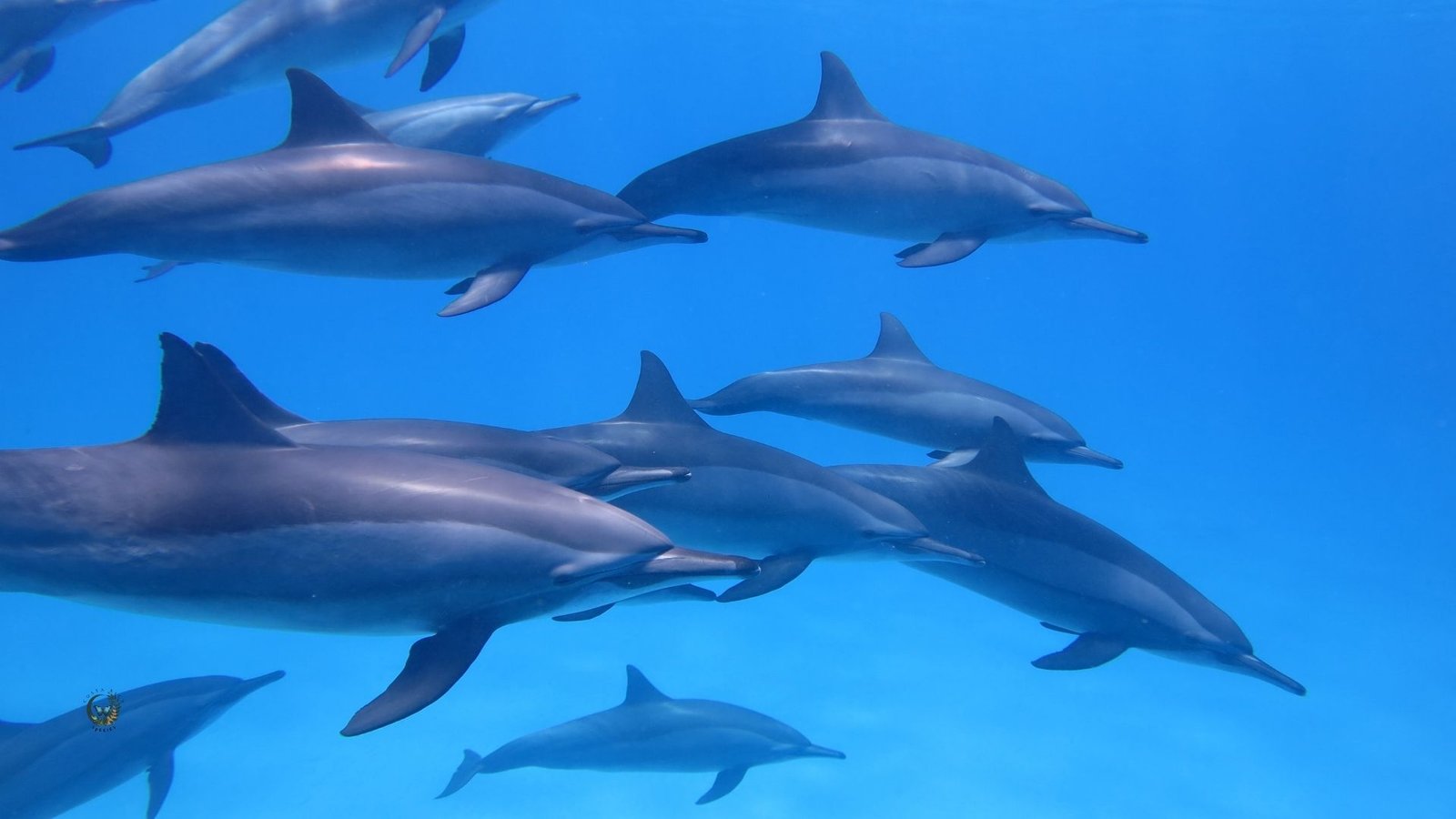




Bottlenose Dolphin

Tursiops truncatus (Montagu, 1821

Also known / common namesSpanish – Delfín nariz de botella, Delfín mular; Bribri – Data deficient; Cabécar – Data deficient

Bottlenose Dolphin(s) General Description

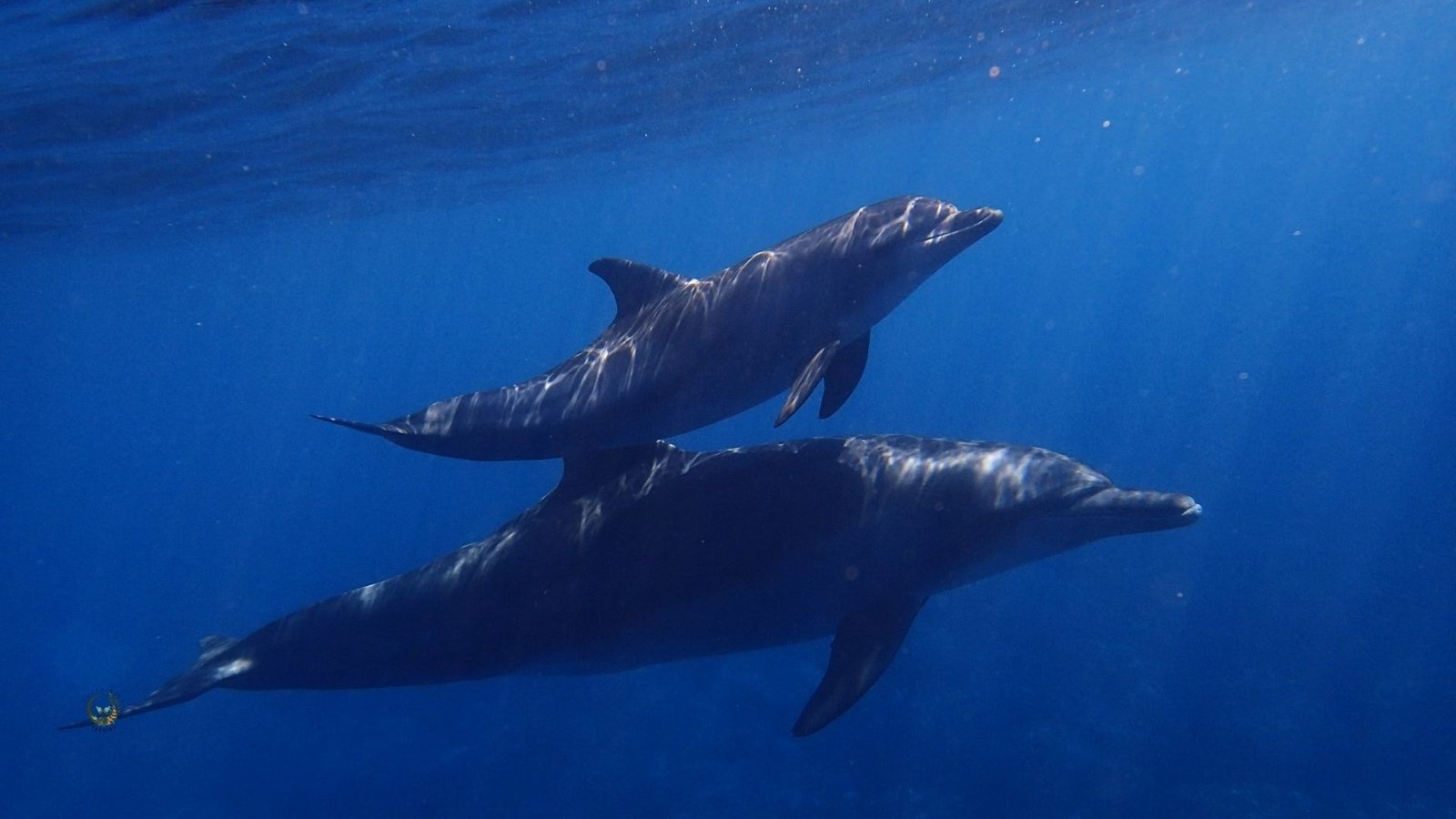
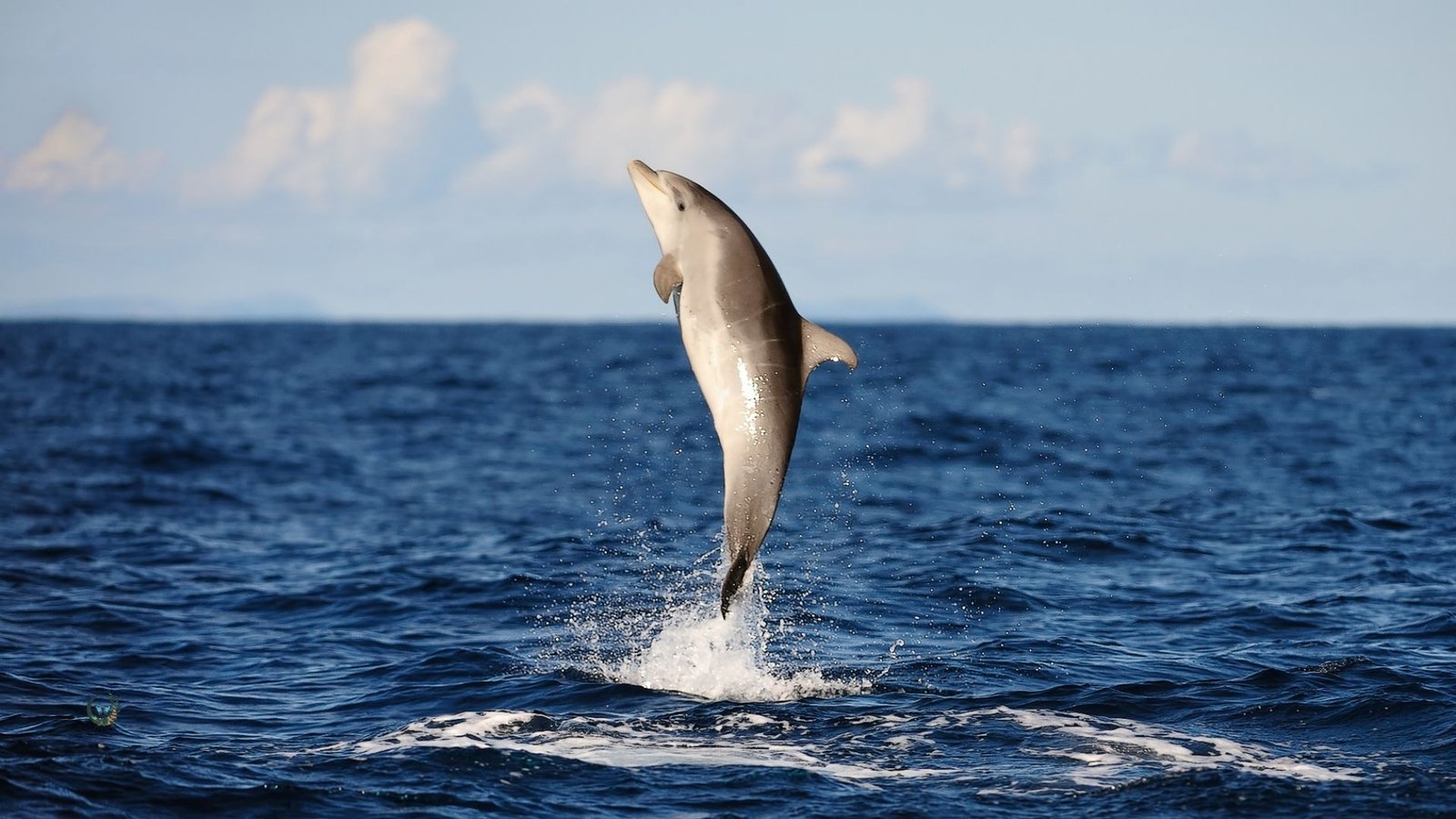
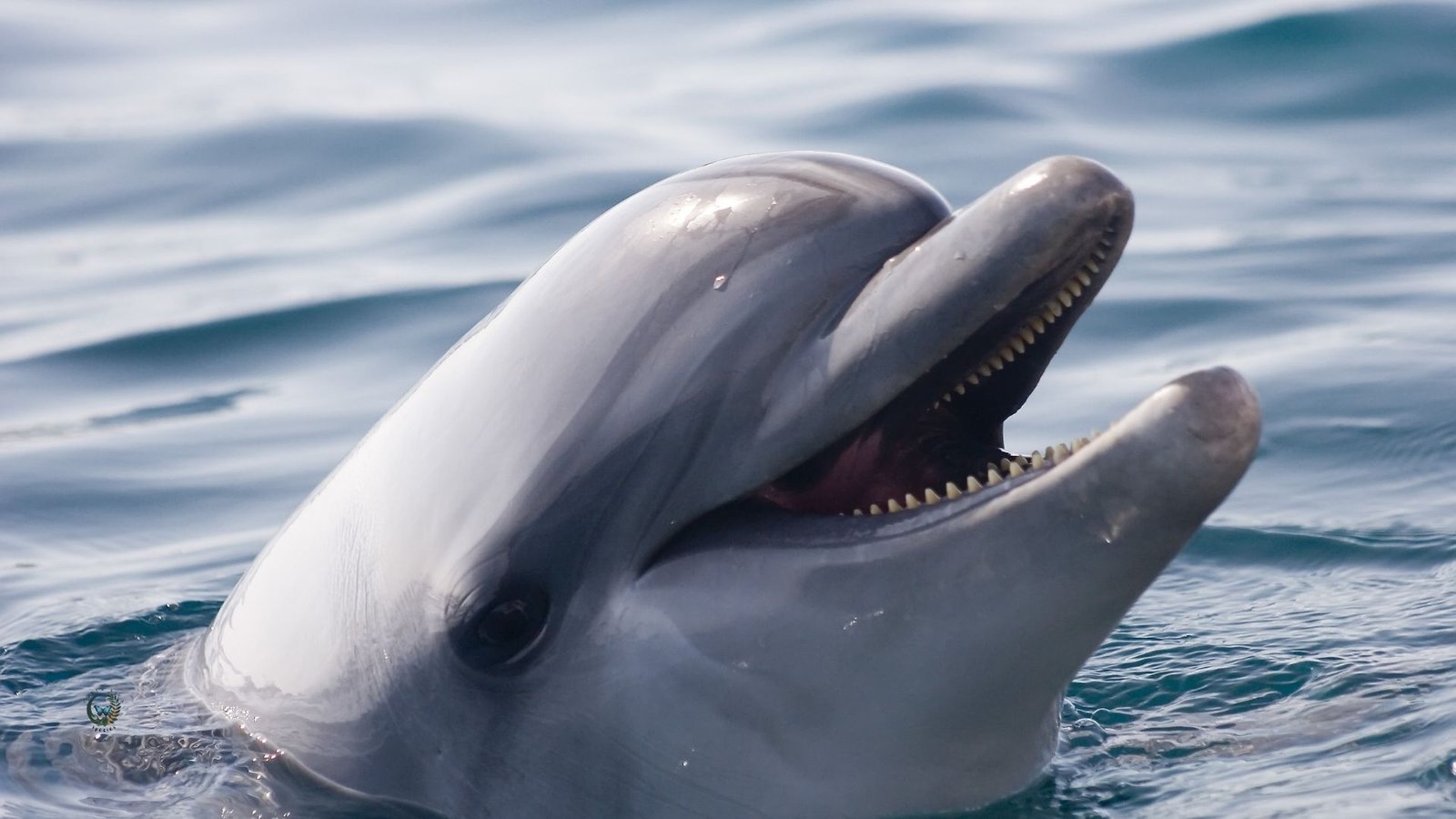
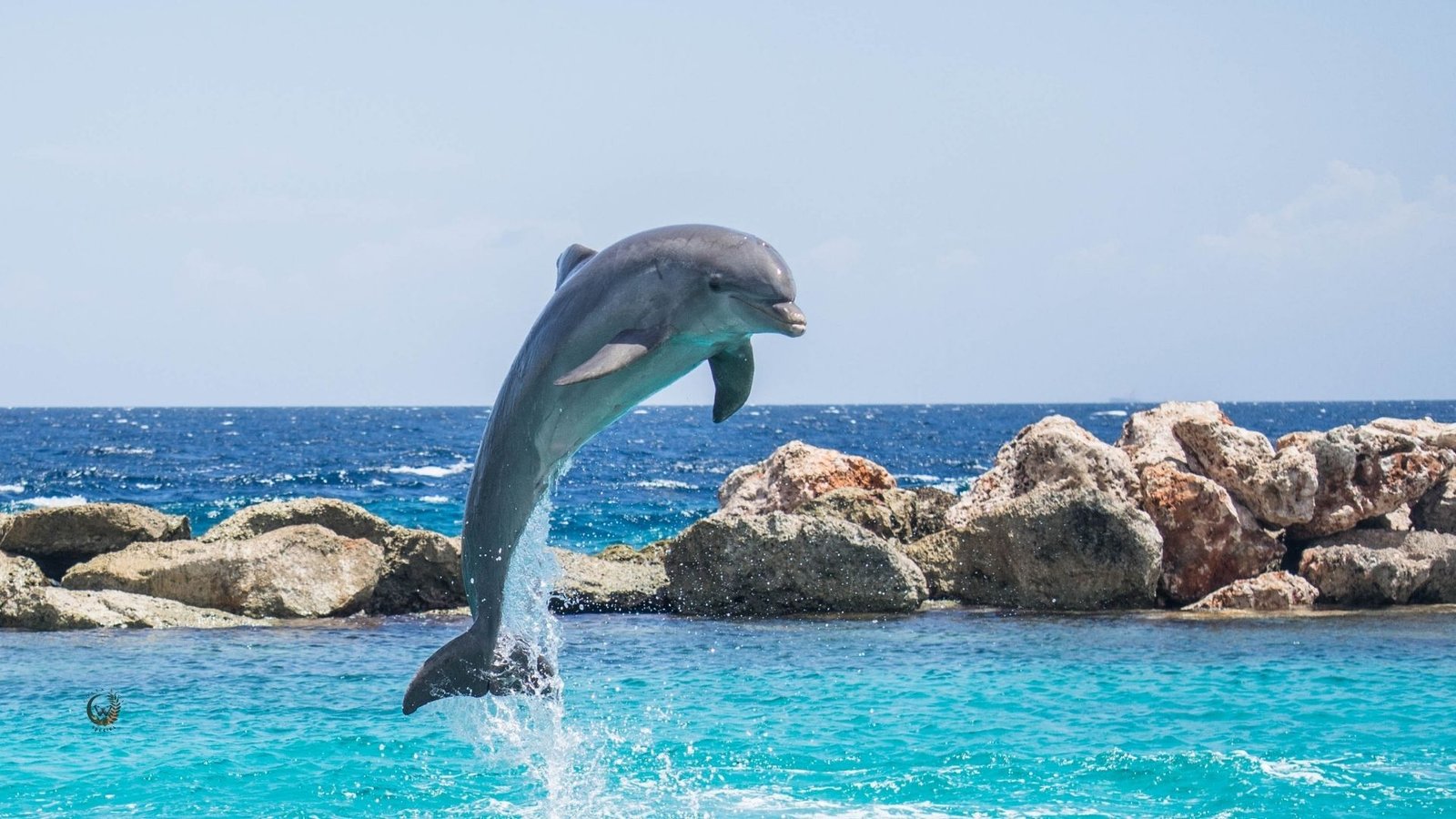
Robust, fusiform cetacean with a short, well‑defined “bottle‑shaped” rostrum, gently sloping melon, and falcate dorsal fin situated mid‑back. Dorsal coloration ranges slate‑grey to dark‑bluish, fading to lighter flanks and a pinkish‑white belly; calves are paler with fetal folds. Adults measure 2.0–4.0 m in length and weigh 150–650 kg, males averaging 15 % larger than females. Pectoral flippers are broad and pointed; flukes span 60–80 cm with a slight median notch. The thick blubber layer insulates and streamlines the body. Dentition comprises 18–26 pairs of conical teeth per jaw, used for grasping fish and squid.

Has Sexual Diamorphism?

males longer and heavier with broader tail‑stocks; females slightly smaller.

LIFE‑HISTORY & VITAL STATISTICS OF THE Bottlenose Dolphin(S)

Average Height / Length / Diameter

Total length 2.0–4.0 m; fluke span 0.6–0.8 m

Average Adult Weight / Mass

150–650 kg

Typical Lifespan / Longevity

25–35 yr wild; up to 60 yr captivity

Typical Lifespan / Longevity for males

Data deficient

Typical Lifespan / Longevity for Females

Data deficient

Age at Sexual Maturity

Females 5–10 yr; males 8–13 yr

Breading Season

Year‑round in tropics; calving peaks April–June

Gestation

Reproductive Outcome

Number of Offspring per Event: 1 calf; inter‑birth interval 3–6 yr

Ecology and Behaviour for Bottlenose Dolphin(s)

Robust, fusiform cetacean with a short, well‑defined “bottle‑shaped” rostrum, gently sloping melon, and falcate dorsal fin situated mid‑back. Dorsal coloration ranges slate‑grey to dark‑bluish, fading to lighter flanks and a pinkish‑white belly; calves are paler with fetal folds. Adults measure 2.0–4.0 m in length and weigh 150–650 kg, males averaging 15 % larger than females. Pectoral flippers are broad and pointed; flukes span 60–80 cm with a slight median notch. The thick blubber layer insulates and streamlines the body. Dentition comprises 18–26 pairs of conical teeth per jaw, used for grasping fish and squid.

Habitat

Occurs year‑round in coastal embayments, estuary mouths, coral‑reef drop‑offs and continental‑shelf waters to ≈ 200 m depth on both the Pacific and Caribbean shores of Costa Rica. Seasonal movements track prey and oceanographic fronts; resident pods in Golfo Dulce and Bahía Ballena show high site fidelity, whereas offshore groups range widely along upwelling zones.

Trophic Chain

Apex mid‑trophic predator feeding on pelagic and benthic fishes, squid and crustaceans; influences prey distribution and is prey to large sharks

Interespecies relationships noted for Bottlenose Dolphin

Mutualism + / +

Reef‐cleaner wrasses (Labrisomus spp.) remove ectoparasites from dolphins at cleaning stations near Isla del Caño.

Symbiosis + / +

Anaerobic gut microbiota (e.g., Bacteroides, Clostridia) ferment chitinous squid beaks, aiding digestion while gaining habitat.

Commensalism + / 0

Juvenile trevallies (Caranx spp.) shelter beneath bow wave of cruising dolphins, reducing predation risk.

Phoresy + / 0

Harpacticoid copepods occasionally cling to dorsal fins, dispersing to new reefs.

Tanatocresis + / 0

No documented case.

Parasitism + / –

Cookie‑cutter sharks (Isistius brasiliensis) excise “plug” wounds; lung nematodes (Halocercus) inhabit airways.

Predation + / –

Dolphins prey on thread herrings (Opisthonema spp.), Pacific sardines (Sardinella aurita) and reef squid (Sepioteuthis sepioidea).

Amensalism 0 / –

High‑intensity sonar clicks momentarily stun small fish schools, reducing escape success without benefiting dolphin beyond prey capture.

Competition – / –

Competes with spinner dolphins (Stenella longirostris) and black‑tip sharks (Carcharhinus limbatus) for pelagic bait fish during seasonal runs.

Social behaviour of Bottlenose Dolphin

  • Activity pattern: cathemeral but most active at dawn and dusk when prey schools rise.

  • Grouping: fission‑fusion societies; coastal resident “pods” of 10–30 individuals merge into temporary super‑pods > 100 during feeding or breeding bouts.

  • Mating system: promiscuous; males form short‑term alliances of two‑to‑three to court or coerce receptive females.

  • Site fidelity: matrilineal core groups occupy long‑term home ranges; males more transient.

  • Communication: broadband echolocation clicks, burst‑pulse squawks and individually distinctive “signature whistles”; physical contact (pectoral fin rubbing) reinforces bonds.

  • Cooperative foraging: employs mud‑ring corralling in Golfo Dulce, “strand‑feeding” on sand flats and team herding of sardine balls.

  • Tool use: some individuals in Pacific employ marine sponges over rostrum to probe seafloor (rare but documented).

Distribution and Sighthings ofBottlenose Dolphin(s) in Costa Rica

General Regions of Costa Rica where to find Bottlenose Dolphins

Coral reefs (Cocos and coastal bathymetries)
Pacific and Caribbean coastal zones

National Parks and Reserves of Costa Rica where to find Bottlenose Dolphins

Parque Nacional Marino Ballena
Parque Nacional Cahuita
Parque Nacional Isla del Coco
Parque Nacional Corcovado
Parque Nacional Marino Las Baulas de Guanacaste
Parque Nacional Manuel Antonio
Parque Nacional Piedras Blancas
Reserva Forestal Golfo Dulce
Reserva Biológica Isla del Caño
Reserva Biológica Isla Guayabo
Refugio Nacional de Vida Silvestre Bahía Junquillal
Refugio Nacional de Fauna Silvestre Isla Bolaños
Refugio Nacional de Vida Silvestre Gandoca-Manzanillo

Best Time to seeBottlenose Dolphin(s) in Costa Rica

Dry Season
January
February
March
April
June
July
August
September
October
November
December

Media

Videos

Sounds and calls

Taxonomy

Conservation Status

Status IUCN

Threats

⚠️By‑catch in gill‑nets and shrimp trawls along both coasts.
⚠️Boat collisions and disturbance from increasing marine tourism traffic.
⚠️Bioaccumulation of heavy metals and persistent pollutants in coastal zones.
⚠️Reduction of prey fish stocks due to over‑fishing.
⚠️Entanglement and ingestion of plastic debris.

Fun Facts

  • Dolphins sleep uni‑hemispherically, keeping one brain hemisphere alert for respiration.

  • Use cooperative “mud‑ring” fishing in Golfo Dulce—one dolphin circles prey with silt plume.

  • Signature whistles function as individual “names” within fluid social groups.

  • Surface speeds reach 35 km h⁻¹, allowing bow‑riding of vessel waves.

Origins & Record

Origin Status

Native

Population trend

Added by

Reviewed by

External Resources

More Species