Also known / common namesSpanish – Aguacate, Palta; Bribri – Äwa̱kät; Cabécar – Ékï
Aguacate | Avocado(s) General Description
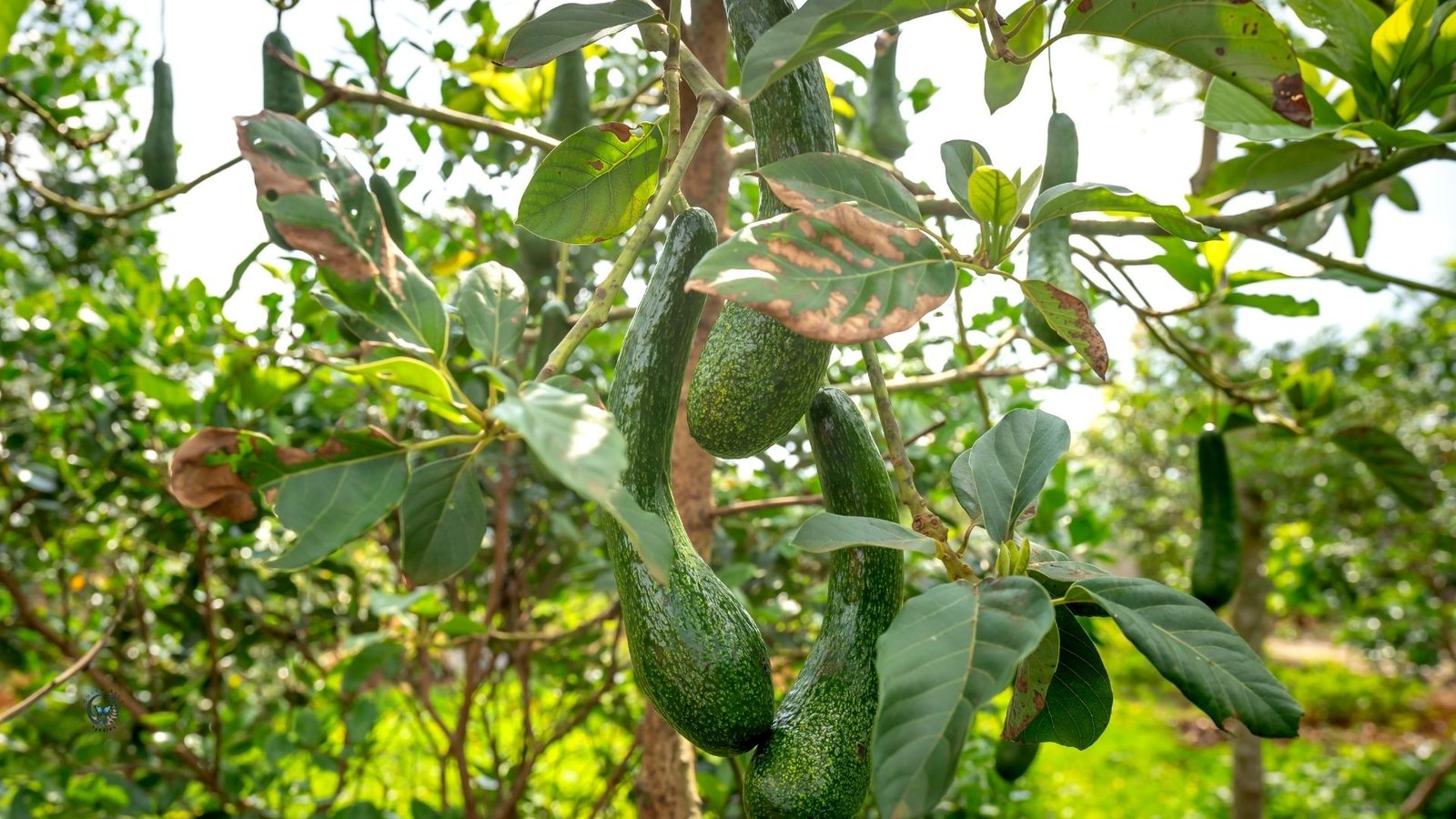
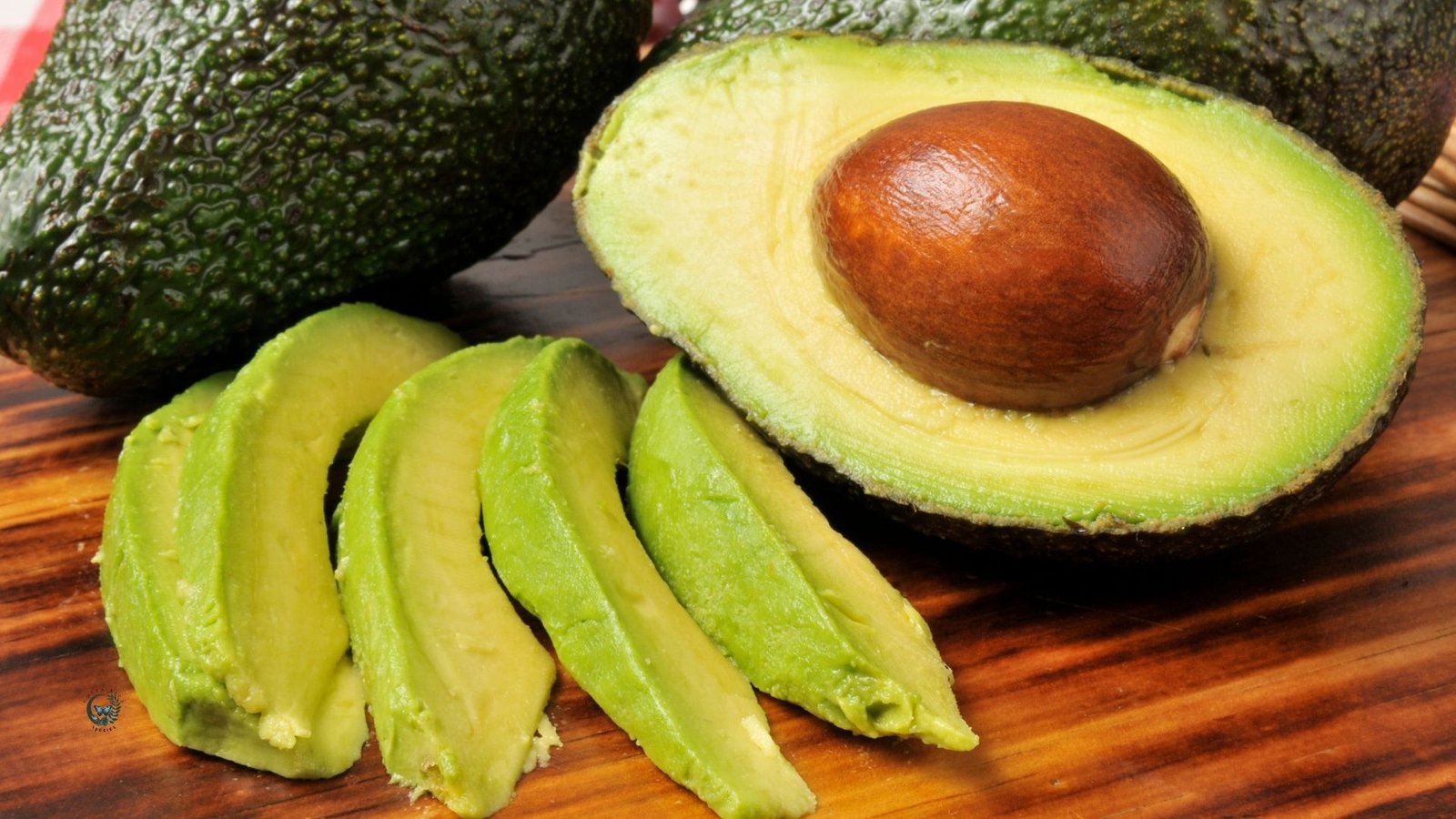
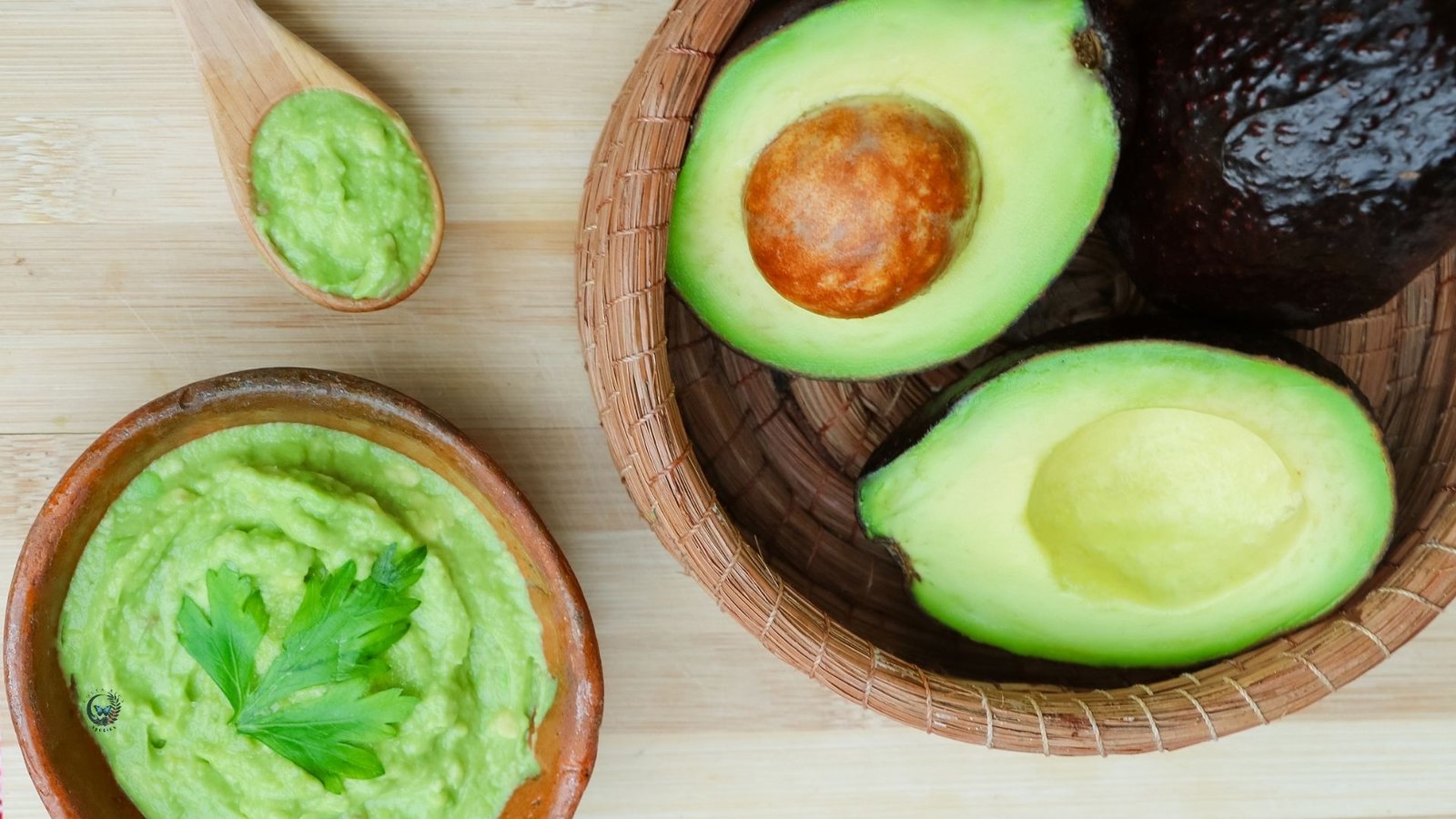
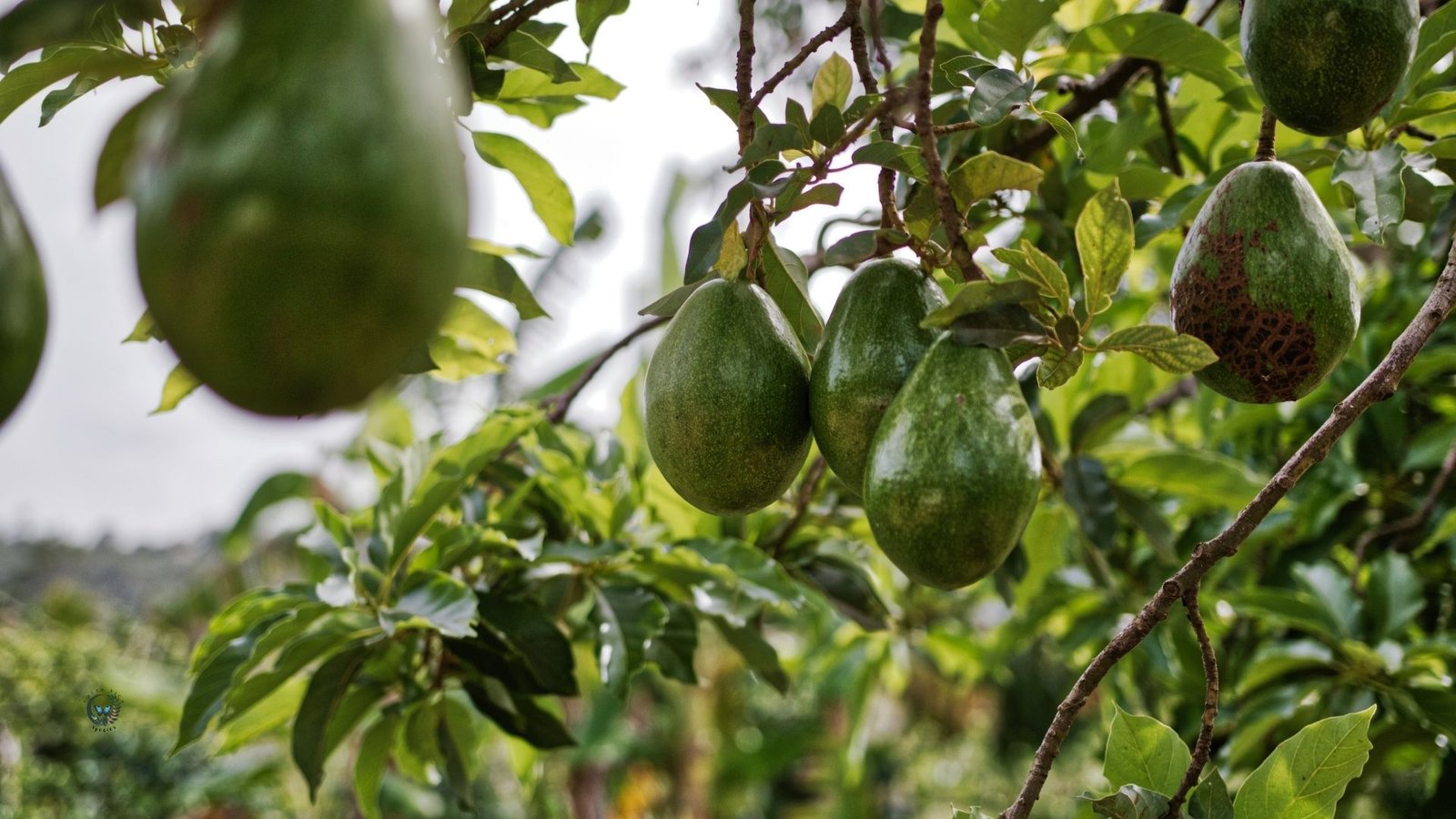
Medium‑sized evergreen tree (10–20 m tall) with a single, often crooked trunk up to 80 cm DBH and grey‑green, finely fissured bark. Leaves simple, glossy, elliptic to obovate (10–25 × 4–10 cm), aromatic when crushed. Inflorescences are paniculate cymes bearing numerous small, yellow‑green, bisexual flowers (~6 mm Ø) with six tepals and nine stamens; flowers exhibit protogynous dichogamy (Type A or Type B) to promote out‑crossing. Fruit is a large, single‑seeded berry (botanically) 7–30 cm long, weight 150 g – 1.5 kg, with leathery exocarp and oily mesocarp (15–30 % lipids); seed spherical 3–6 cm Ø. Three horticultural races—Mexican, Guatemalan, West Indian—differ in skin texture, oil content and cold tolerance.
Has Sexual Diamorphism?
No
Sexual dimorphism refers to the physical differences between males and females of the same species that go beyond reproductive organs. For example, size, colour or form.
LIFE‑HISTORY & VITAL STATISTICS OF THE Aguacate | Avocado(S)
Average Height / Length / Diameter
10–20 m height; trunk up to 0.8 m DBH
Average Adult Weight / Mass
Several Hundread Kilos
Typical Lifespan / Longevity
60–80 yr (productive life 20–40 yr)
Typical Lifespan / Longevity for males
Not applicable (monoecious)
Typical Lifespan / Longevity for Females
Not applicable (monoecious)
Age at Sexual Maturity
Seed‑grown trees 4–6 yr; grafted cultivars 2–3 yr
Breading Season
In Costa Rica main bloom Nov – Feb (dry season)
Gestation
ruit maturation 6–8 mo post‑anthesis
Reproductive Outcome
Ecology and Behaviour for Aguacate | Avocado(s)
Medium‑sized evergreen tree (10–20 m tall) with a single, often crooked trunk up to 80 cm DBH and grey‑green, finely fissured bark. Leaves simple, glossy, elliptic to obovate (10–25 × 4–10 cm), aromatic when crushed. Inflorescences are paniculate cymes bearing numerous small, yellow‑green, bisexual flowers (~6 mm Ø) with six tepals and nine stamens; flowers exhibit protogynous dichogamy (Type A or Type B) to promote out‑crossing. Fruit is a large, single‑seeded berry (botanically) 7–30 cm long, weight 150 g – 1.5 kg, with leathery exocarp and oily mesocarp (15–30 % lipids); seed spherical 3–6 cm Ø. Three horticultural races—Mexican, Guatemalan, West Indian—differ in skin texture, oil content and cold tolerance.
Habitat
Predominantly active during Day
Trophic Chain
Primary producer; flowers provide nectar/pollen for bees (Apis spp., Trigona spp.); fruits eaten by quetzals, trogons and mammals, facilitating seed dispersal.
Interespecies relationships noted for Aguacate | Avocado
Mutualism + / +
Stingless bee Tetragonisca angustula gains nectar/pollen while pollinating avocado flowers, boosting fruit set.
Symbiosis + / +
Roots form arbuscular mycorrhizae (e.g., Glomus spp.) that enhance phosphorus uptake; fungi obtain carbohydrates.
Commensalism + / 0
Epiphytic orchids anchor on mature avocado branches for support and light; tree unaffected mechanically.
Inquilinism + / 0
Emerald toucanets nest in cavities of decayed avocado trunks, gaining shelter; tree (often senescent) is unaffected.
Phoresy + / 0
Tiny mites (Tarsonemus spp.) hitchhike on visiting bees to disperse between avocado flowers; no impact on tree.
Tanatocresis + / 0
Hollowed fallen logs of avocado provide refugia for leaf‑litter frogs (Craugastor spp.) after trunk death.
Leaf litter contains persin and phenolics that inhibit germination of understory herbs beneath the canopy.
Competition – / –
In mixed coffee–avocado agro‑forestry, dense avocado canopy competes with coffee shrubs for light and soil nitrogen.
Social behaviour of Aguacate | Avocado
“Social” Traits & Reproductive Behaviour (plants have no social groups, so key behavioural ecology is outlined instead)
Reproductive strategy: insect‑pollinated, protogynous dichogamy; flowers open first as female, close, then reopen the next day as male (Type A or B), promoting cross‑pollination.
Pollinators: chiefly stingless bees (Tetragonisca angustula), honey bees (Apis mellifera), hoverflies and hummingbirds at higher elevations.
Dispersal: in wild stands, large frugivores (quetzal, kinkajou, agouti) swallow the pulp and deposit intact seeds > 100 m from the parent.
Clonal propagation: most orchards use grafting; scion–rootstock compatibility creates functional “chimera” individuals with shared vascular communication.
Phenology: flowering peaks in the late dry season (Nov – Feb), fruit matures 6‑8 months later; canopy leaf‑flush synchronized with onset of rains, reducing self‑shading.
Distribution and Sighthings ofAguacate | Avocado(s) in Costa Rica
General Regions of Costa Rica where to find Aguacate | Avocados
Seasonal dry forest (Guanacaste)
National Parks and Reserves of Costa Rica where to find Aguacate | Avocados
Parque Nacional Marino Ballena
Parque Nacional Volcán Poás
Parque Nacional Volcán Turrialba
Reserva Forestal Río Macho
Best Time to seeAguacate | Avocado(s) in Costa Rica
Dry Season
January
February
March
April
June
July
August
September
October
November
December
Media
Videos
Sounds and calls
log in to help us with this an other posts.
This sheet is marked as: Needs improvement / Revision
Taxonomy
Taxonomic classification is a hierarchical system used in biology to organize and name living organisms. It arranges species into nested groups based on shared characteristics and evolutionary relationships.
Kingdom Plantae
Phylum Tracheophyta
Class Magnoliopsida
Order Laurales
Genus Persea
Conservation Status
Status IUCN
🌍 The IUCN status refers to the conservation category assigned to a species by the International Union for Conservation of Nature, based on its risk of extinction
Least Concern
Threats
⚠️Loss of landrace genetic diversity due to replacement by clonal “Hass” and other commercial cultivars.
⚠️Laurel wilt disease (Raffaelea lauricola) and Phytophthora root‑rot jeopardising wild and cultivated trees.
⚠️Climate‑change‑induced shifts in temperature and precipitation stressing high‑elevation orchards.
⚠️Habitat conversion of remaining wild stands for intensive agriculture and urban growth.
Fun Facts
Avocado fruit is botanically a berry containing a single large seed.
Mesoamerican peoples cultivated avocados >5 000 years ago; the word derives from Nahuatl āhuacatl (“testicle”).
Flowers open twice on successive days (female first, then male), a unique pollination strategy among fruit trees.
Oil‑rich pulp (mainly oleic acid) confers high energy but low sugar, allowing diabetic‑friendly consumption.
Three horticultural races (Mexican, Guatemalan, West Indian) hybridise freely, giving rise to modern cultivars like ‘Hass’.