

Tortuguero National Park: The Amazon of Costa Rica and a Sanctuary for Ancient Mariners
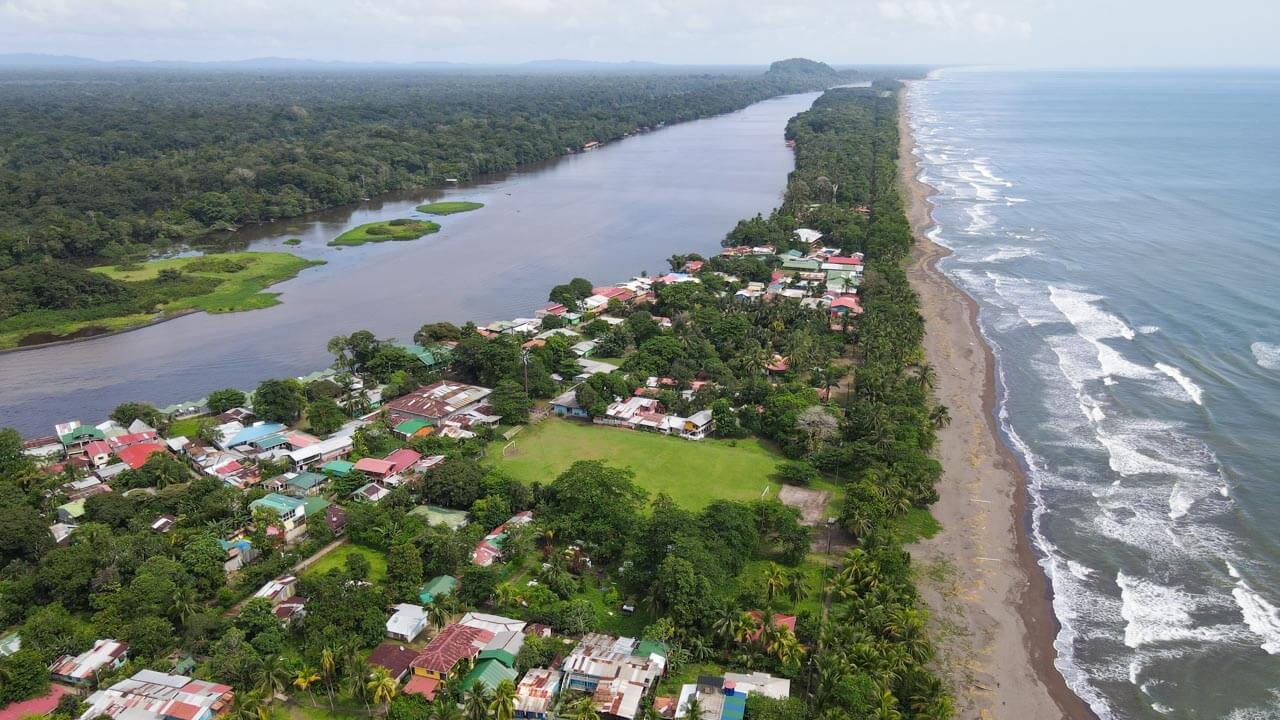
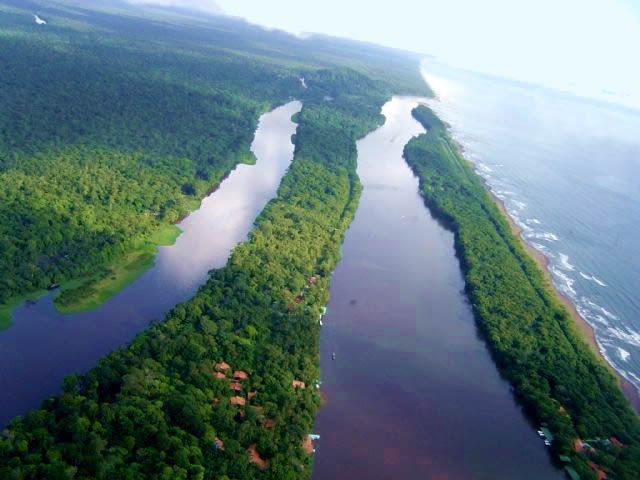
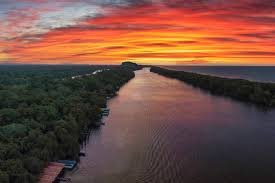
On the remote northeastern coast of Costa Rica, where dense rainforest is threaded with a labyrinth of freshwater canals and lagoons, lies a place of extraordinary vitality. This is Tortuguero National Park, a water-world often called the “Amazon of Costa Rica.” It is a realm defined by water, a bastion of biodiversity, and most famously, the single most important nesting site for the green sea turtle in the entire Western Hemisphere. A visit here is not a typical park experience; it’s a boat-based immersion into one of the most vibrant and wild corners of Central America.
The Land of Turtles: A Global Conservation Landmark
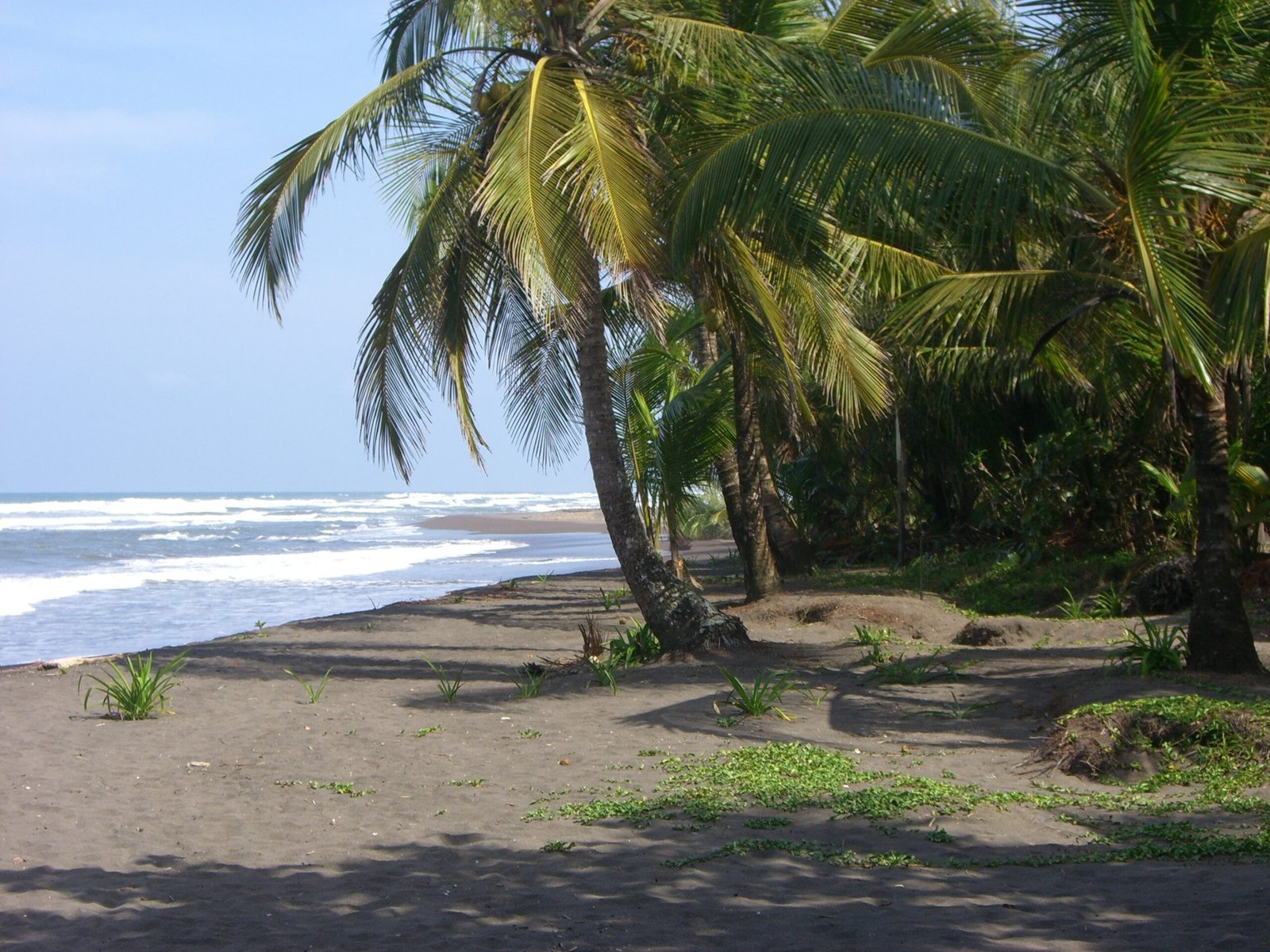
The park’s name, Tortuguero, translates to “Land of Turtles” or “Region of Turtles,” and for good reason. The park was established on September 24, 1970, primarily to protect this crucial nesting beach from the threat of turtle hunting, which had decimated populations. The conservation efforts, pioneered by the Sea Turtle Conservancy (STC) and the Costa Rican government, have become a world-renowned success story.

Tortuguero’s beaches are a vital sanctuary for several sea turtle species:
- Green Sea Turtle (Chelonia mydas): This is the star of the show. From roughly July to October, an awe-inspiring natural spectacle occurs as thousands of female green turtles arrive under the cover of darkness to dig their nests and lay their eggs. Tortuguero hosts the largest nesting colony of this species in the Atlantic.
- Leatherback Sea Turtle (Dermochelys coriacea): The largest of all living turtles, these giants nest in smaller numbers, typically from March to June. Their immense size and leathery carapace make them a truly primeval sight.
- Hawksbill Sea Turtle (Eretmochelys imbricata): Critically endangered, the hawksbill also nests here, though less frequently. Their beautiful, patterned shells once made them a target of poachers.
- Loggerhead Sea Turtle (Caretta caretta): The least common of the four, loggerheads occasionally use these beaches for nesting as well.
The nightly, guided turtle walks during nesting season are a masterfully controlled and unforgettable experience, offering a respectful glimpse into this ancient reproductive ritual.
A Labyrinth of Life: The Canals and Waterways
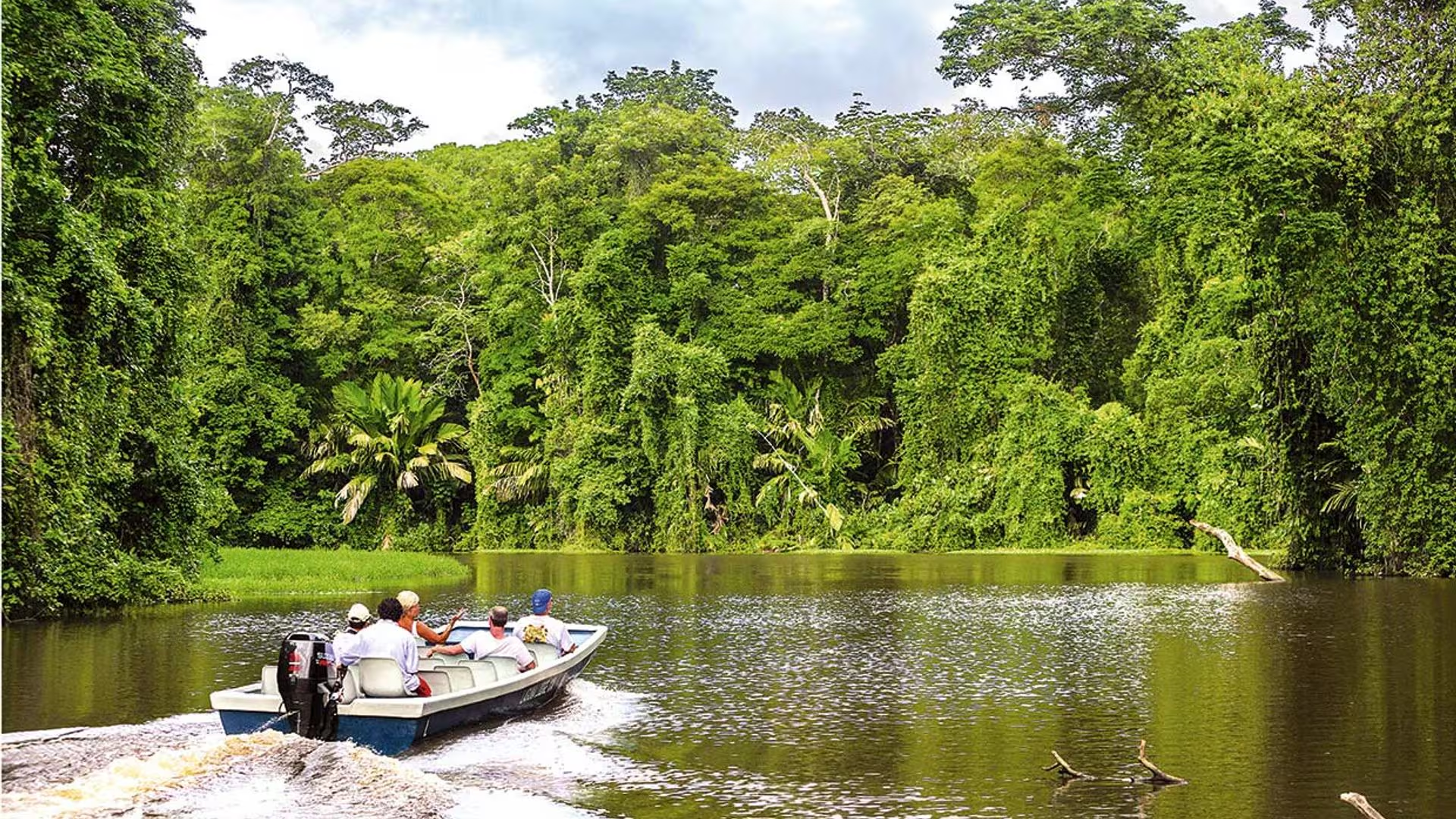
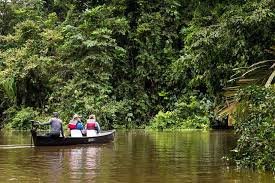
Unlike Costa Rica’s other parks, Tortuguero is not about hiking trails; it’s about navigation. The park is a vast alluvial plain, crisscrossed by a complex network of natural and man-made canals, lagoons, and meandering rivers. These waterways are the lifeblood of the region and serve as the primary mode of transportation. Exploring them by panga (a small motorboat) or, for a more intimate experience, by kayak or canoe, reveals a world teeming with wildlife at every turn.
The forest comes right to the water’s edge, creating a rich ecotone where aquatic and terrestrial life constantly interact. The water itself is home to spectacled caiman (Caiman crocodilus) and crocodiles, while river otters and numerous fish species thrive beneath the surface. Perhaps the most elusive aquatic resident is the West Indian Manatee (Trichechus manatus), an endangered marine mammal that finds refuge in these placid waters.



The Rainforest’s Rich Tapestry
The park protects over 77,000 hectares (190,000 acres) of tropical wet forest, an ecosystem drenched by over 6,000 millimeters (236 inches) of rain annually. This hyper-humid environment supports an explosive diversity of flora and fauna.
- Mammals: The forest canopy is a playground for three species of monkeys: the boisterous Mantled Howler Monkey (Alouatta palliata), the agile White-faced Capuchin (Cebus imitator), and the acrobatic Geoffroy’s Spider Monkey (Ateles geoffroyi). The park is also a critical stronghold for the Jaguar (Panthera onca). In a unique predator-prey relationship, the jaguars of Tortuguero have been documented actively hunting adult sea turtles on the nesting beaches, a behavior rarely seen elsewhere.
- Birds: With over 400 recorded species, Tortuguero is a birder’s paradise. The waterways are patrolled by a stunning variety of wading birds like the Great Blue Heron, Anhingas, and the vibrant Bare-throated Tiger Heron. In the canopy, one can spot Keel-billed Toucans, parrots, and the Great Green Macaw, which is making a comeback in the region.
- Reptiles and Amphibians: Beyond the caiman, the forest is alive with reptiles and amphibians. Green Basilisk Lizards (“Jesus Christ Lizards”) are commonly seen sprinting across the water’s surface, while the iconic Red-eyed Tree Frog (Agalychnis callidryas) represents the vibrant amphibian life hidden within the foliage.
A trip to Tortuguero National Park is a journey into a different rhythm of life, one dictated by water and wildlife. From the awesome spectacle of nesting sea turtles to the quiet discovery of a slumbering sloth in the canopy, the park offers a profound connection to the raw, untamed beauty of the tropics. It stands as a powerful testament to the fact that protecting one key species can create a sanctuary that preserves an entire, magnificent ecosystem.