

Cahuita National Park: Where the Rainforest Greets the Reef
On the vibrant Southern Caribbean coast of Costa Rica, where the air is thick with the sweet scent of saltwater and ginger, and the laid-back rhythm of calypso music defines the pace of life, lies a protected area of profound importance. This is Cahuita National Park, an exceptional sanctuary where two of the planet’s most vital ecosystems—the tropical rainforest and the coral reef—meet in a stunning display of biodiversity. It is a place celebrated not only for its natural wonders but for its pioneering story of community, culture, and conservation.
A Legacy of Community Stewardship
The history of Cahuita National Park is inseparable from the Afro-Caribbean people who settled this coast. Unlike many national parks established solely by governmental decree, Cahuita was born from a grassroots movement. In the late 1960s, the local community, recognizing the immense value and growing fragility of their coral reef, organized and petitioned for its official protection. Their successful advocacy led to the creation of the Cahuita National Reef Monument in 1970. By 1978, the protected area was expanded to include the adjacent coastal rainforest and was re-designated as Cahuita National Park, safeguarding both the marine and terrestrial realms.
This deep community involvement continues to define the park’s character. The main entrance at the Playa Blanca sector operates under a unique co-management model. Instead of a fixed government tariff, entry is based on voluntary donations managed by the local development association. This powerful system fosters a profound sense of ownership and shared responsibility, ensuring that tourism revenues directly fund park maintenance, local guides, and community projects. It stands as a globally recognized model of how conservation and community well-being can be intrinsically linked.



The Underwater Jewel: Cahuita’s Coral Reef
The soul of Cahuita National Park is its magnificent fringing reef, the largest and most developed coral ecosystem on Costa Rica’s Caribbean coast. Spanning over 600 hectares, this underwater city is a kaleidoscope of life, best explored via a guided snorkeling or glass-bottom boat tour.
- A Hub of Marine Biodiversity: The reef provides a critical habitat for an astonishing array of species. Scientists have identified approximately 44 species of hard corals, including massive, centuries-old formations of brain coral (Colpophyllia natans and Diploria strigosa) and intricate, branching structures of the critically endangered elkhorn (Acropora palmata) and staghorn (Acropora cervicornis) corals. Weaving through these coral gardens are over 123 species of fish, from the dazzling Queen Angelfish (Holacanthus ciliaris) and schools of Blue Tangs (Acanthurus coeruleus) to important commercial species like snappers and groupers. The reef is also a sanctuary for spiny lobsters (Panulirus argus), Hawksbill sea turtles (Eretmochelys imbricata), and gentle nurse sharks (Ginglymostoma cirratum) that rest in sandy patches. Two historic shipwrecks within the park boundaries have become artificial reefs, further enriching the habitat.
- A Fragile Ecosystem Under Pressure: Cahuita’s reef is a living indicator of environmental health and faces significant challenges. Its greatest threat is sedimentation. Deforestation in the watersheds of nearby rivers has increased soil runoff, which clouds the water and smothers the coral. This turbidity blocks the sunlight essential for the survival of the symbiotic algae (zooxanthellae) that give corals their color and life. Furthermore, rising ocean temperatures driven by global climate change have caused episodes of coral bleaching, a stress response where corals expel their algae. Despite these pressures, the reef demonstrates remarkable resilience, and the ongoing conservation efforts are a testament to its will to survive.

The Living Trail: A Walk Through a Coastal Jungle
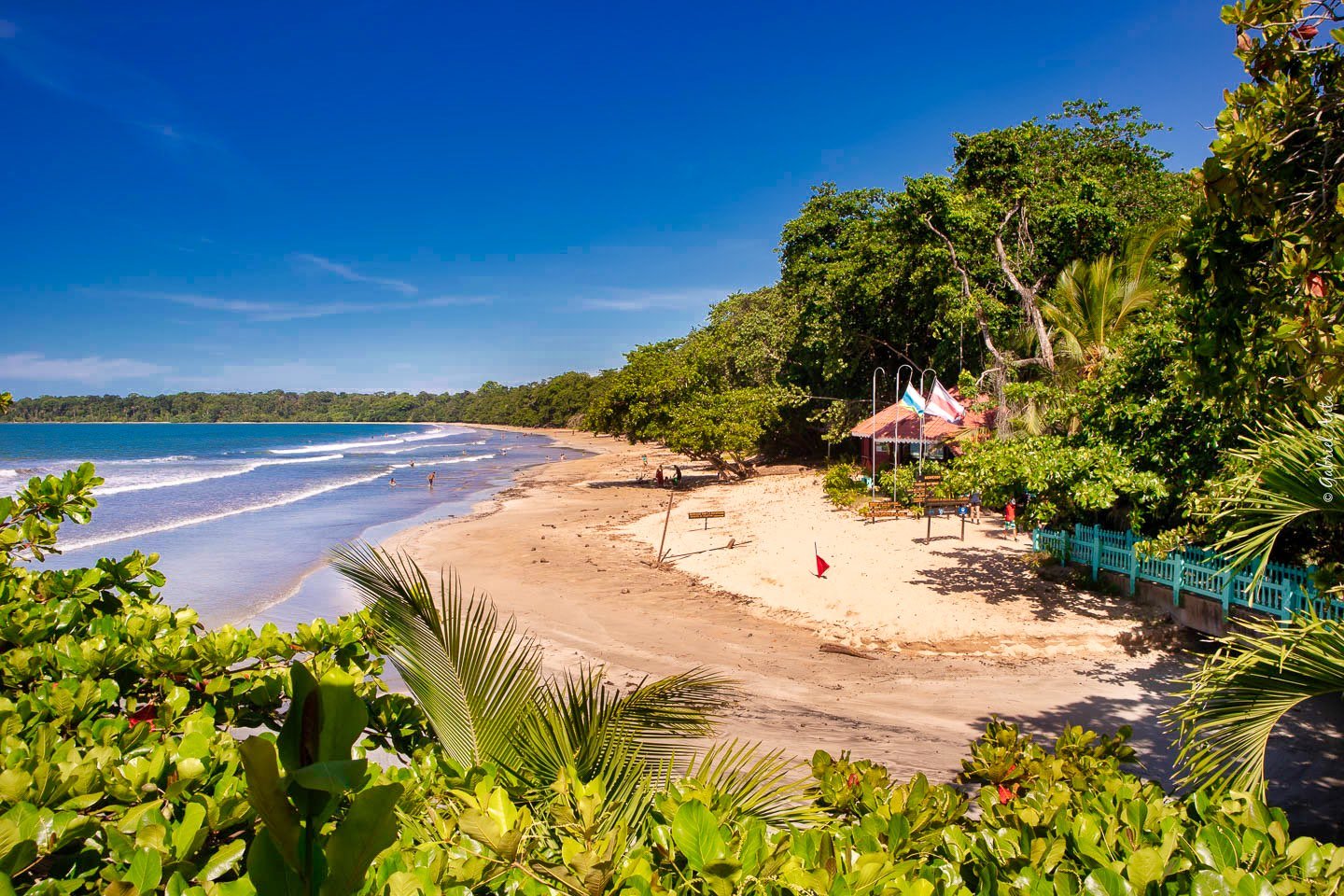
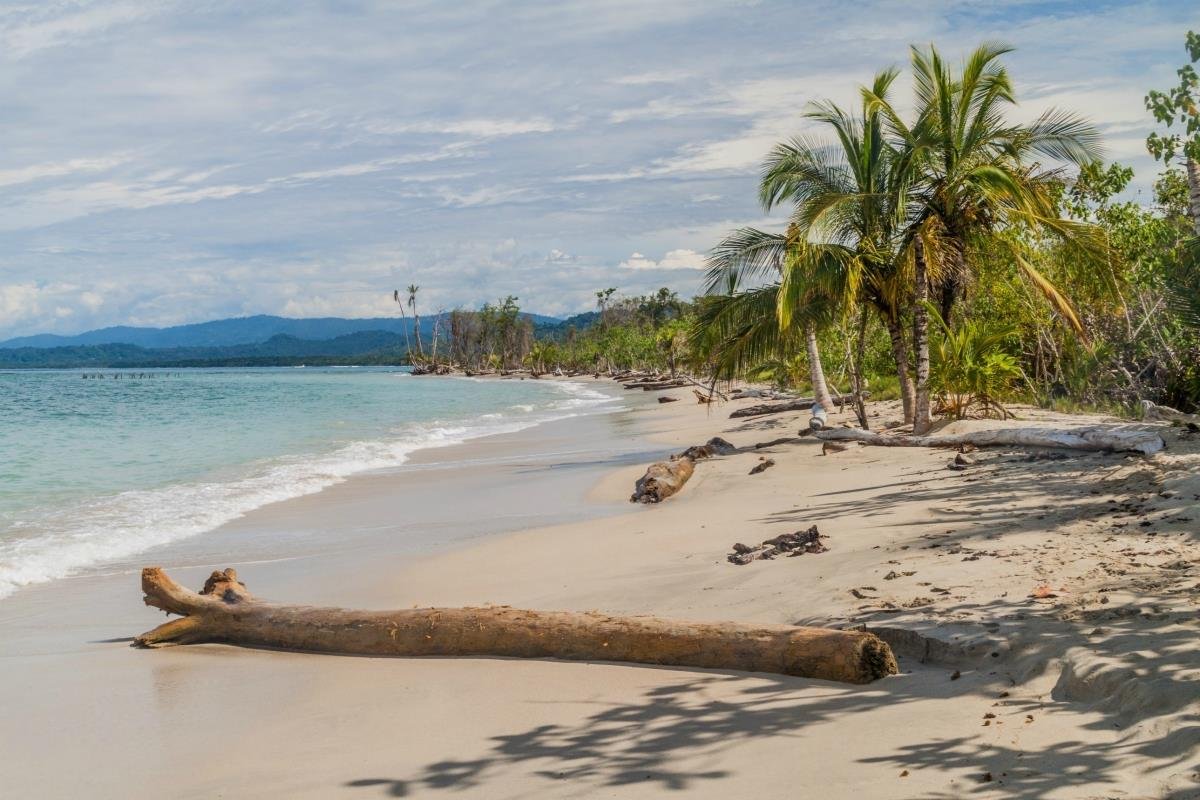
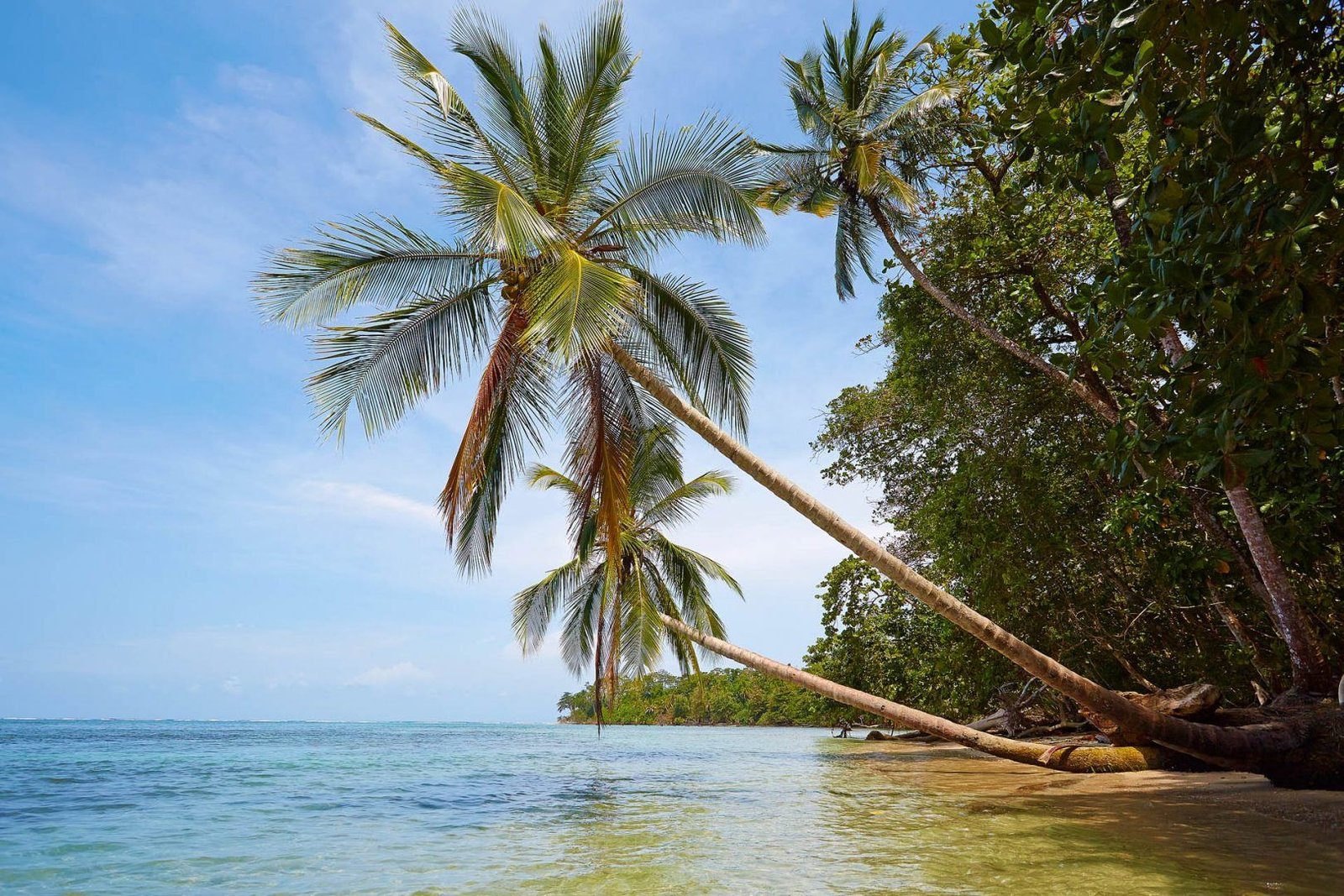
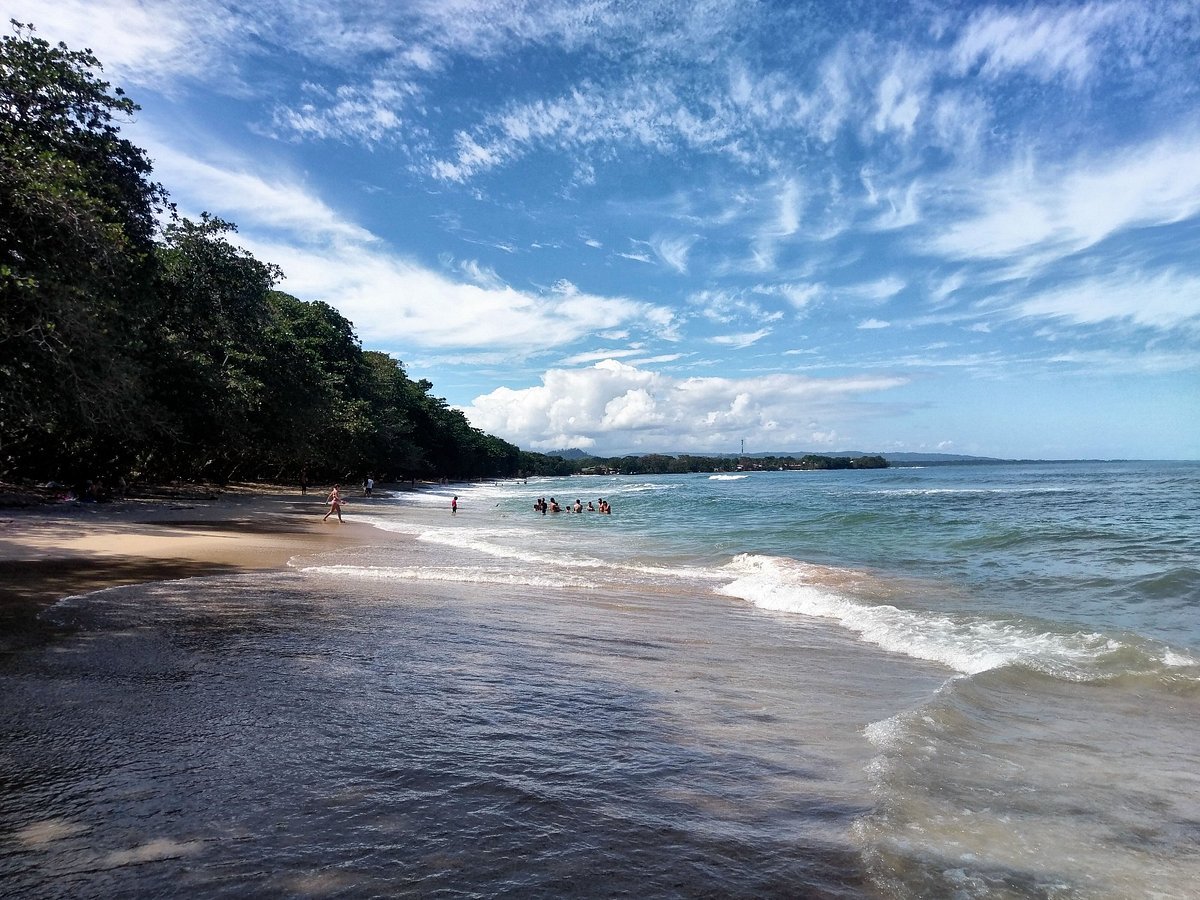
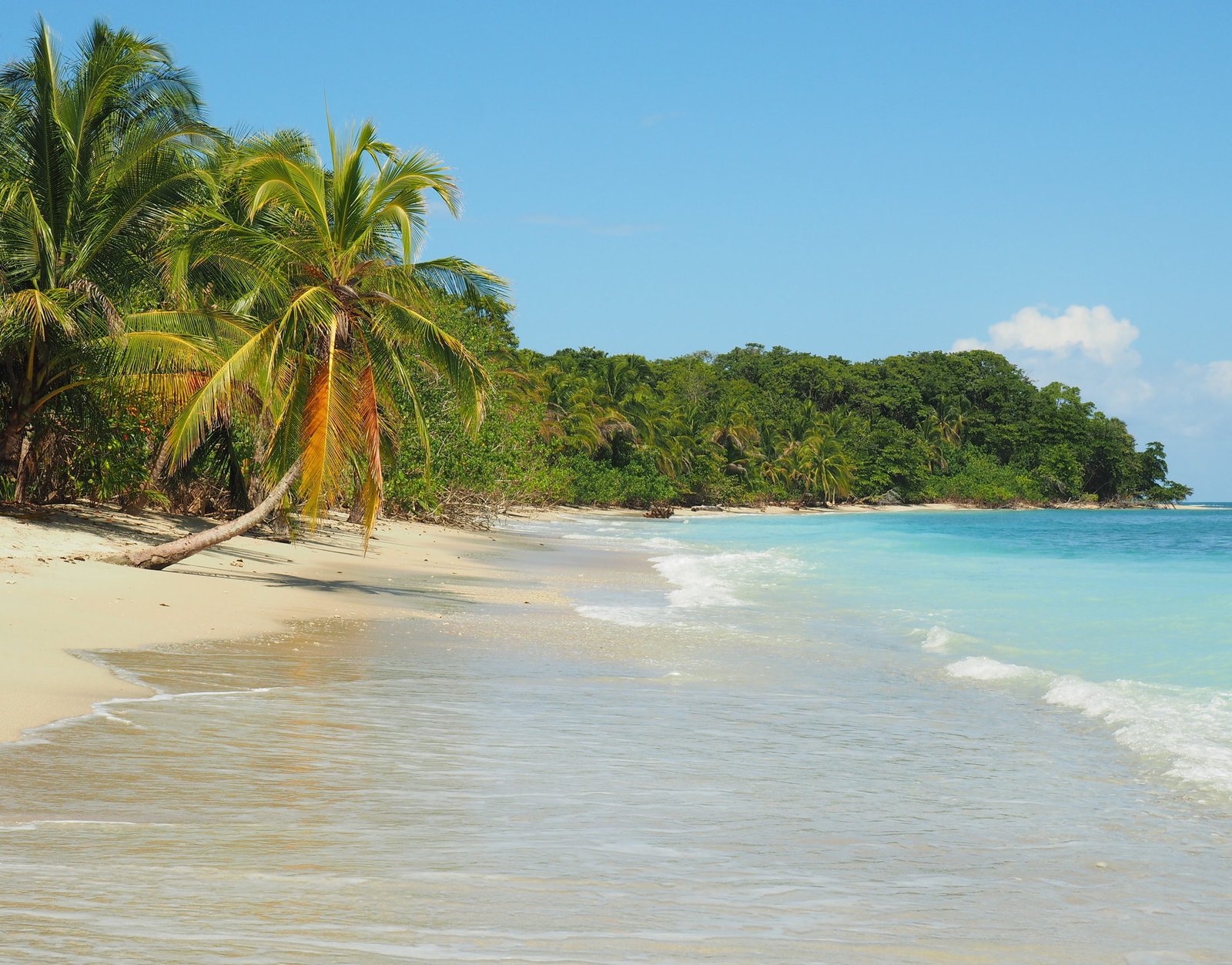
Paralleling the turquoise water and white-sand beaches, a 7-kilometer trail winds its way from the Playa Blanca sector to the Puerto Vargas entrance. This flat, accessible path offers a complete immersion into the sights and sounds of a thriving coastal rainforest.
- An Abundance of Wildlife: The forest canopy is alive with charismatic mammals. The guttural, echoing roars of mantled howler monkeys (Alouatta palliata) are the definitive soundtrack of the park. Troops of white-faced capuchin monkeys (Cebus imitator) crash through the branches, while the famously slow two-toed and three-toed sloths (Choloepus hoffmanni and Bradypus variegatus) can be spotted hanging languidly from tree limbs. On the forest floor, northern raccoons (Procyon lotor) and white-nosed coatis (Nasua narica) forage for food.
- Flora, Feathers, and Scales: The trail is lined with beach almond trees—a vital food source for many species—sea grapes, and towering coconut palms. It’s a paradise for birdwatchers, with chances to see the Keel-billed Toucan (Ramphastos sulfuratus), herons, and egrets stalking the shoreline. Green iguanas bask on sun-drenched branches, and green basilisks, sometimes called “Jesus Christ lizards,” dart across the water’s surface. Keen-eyed visitors might even spot the vibrant yellow Eyelash Viper (Bothriechis schlegelii), a small but venomous snake resting coiled on a palm frond.
Cahuita National Park is more than just a destination; it’s a living illustration of perfect symbiosis—between the forest and the reef, and between nature and humanity. It proves that conservation is most potent when it grows from the heart of a community. Whether you are snorkeling over a world of coral or walking beneath a canopy alive with monkeys, Cahuita offers a profound lesson in the beauty, fragility, and interconnectedness of our planet’s most precious ecosystems. It is a blueprint for harmony, a treasure guarded by its people for the world to witness.