Costa Rica’s reputation as a global biodiversity hotspot is not just a title—it’s a living, evolving reality. In a series of recent announcements, researchers have once again expanded the nation’s vast natural inventory, officially documenting three new plant species and registering a new seabird for the country. These discoveries, led by dedicated scientists from institutions like the University of Costa Rica (UCR) and the National Museum, underscore the boundless secrets still held within its lush forests and coastal territories.
Flora Finds: From Coastal Shrubs to Ancient Trees
Recent botanical research has yielded remarkable results, formally introducing three new plants to science. Each one tells a unique story about the country’s diverse ecosystems.



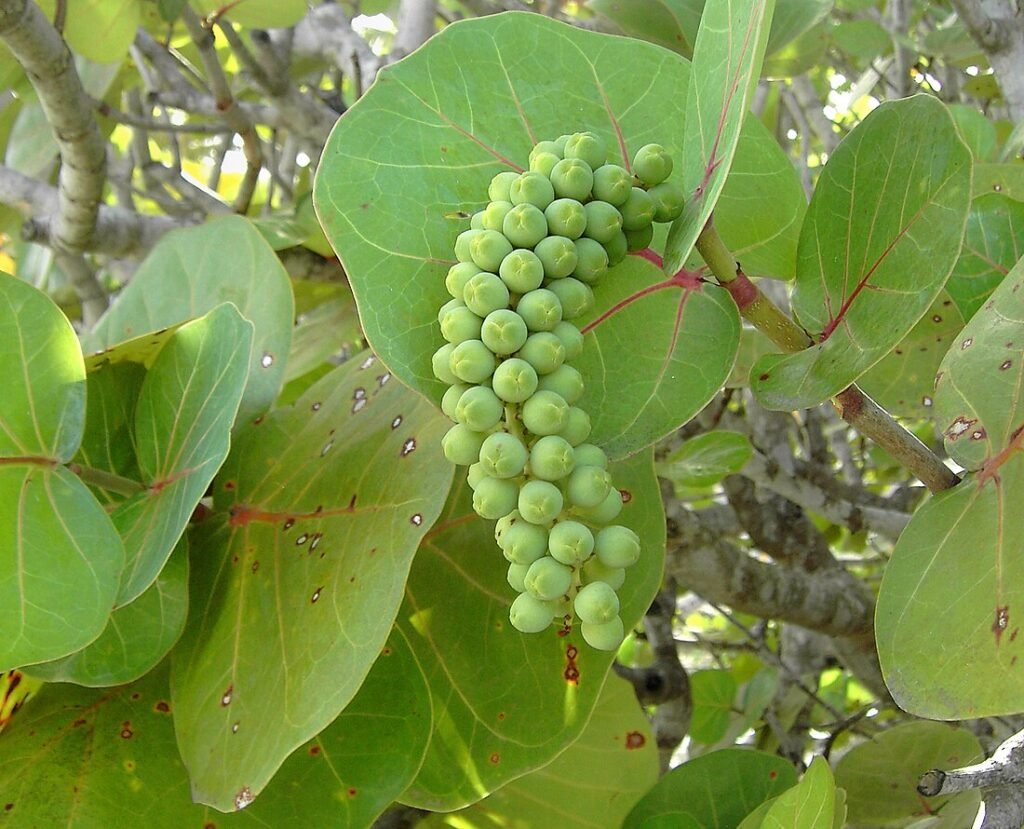
1. Coccoloba williamsii (Papaturro): A Bridge Between Continents Perhaps the most significant of the new findings is the Coccoloba williamsii, a tree known locally as “papaturro.” While known in South America, its discovery in Costa Rica marks the very first time it has been recorded in Mesoamerica. This finding effectively bridges a major geographical gap, rewriting our understanding of the species’ distribution. Beyond its scientific importance, the papaturro is a vital part of the ecosystem, providing a food source for local wildlife with its grape-like fruits, which are also edible for humans.
2. Miconia rupicola: The Resilient Coastal Dweller Growing between one and four meters tall, Miconia rupicola is a resilient shrub found in challenging coastal habitats. It thrives near river mouths and in swampy areas, demonstrating a unique adaptation to environments with high water and salinity. Its identification adds another piece to the puzzle of Costa Rica’s complex coastal flora.
3. Phyllanthus elsiae: A Plant with Potential The third discovery, Phyllanthus elsiae, belongs to a plant genus well-known in the medical research community. While this specific species is new, other plants in the Phyllanthus genus have been studied for containing compounds with anti-tumor properties. This finding opens up new avenues for biochemical research, highlighting how biodiversity conservation can directly contribute to potential scientific and medical advancements.