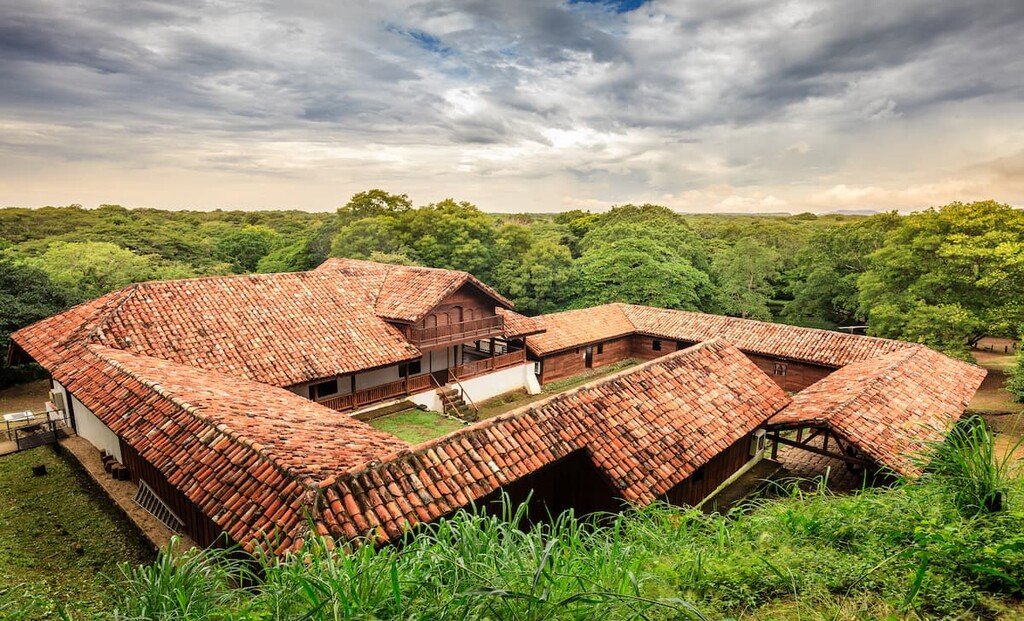
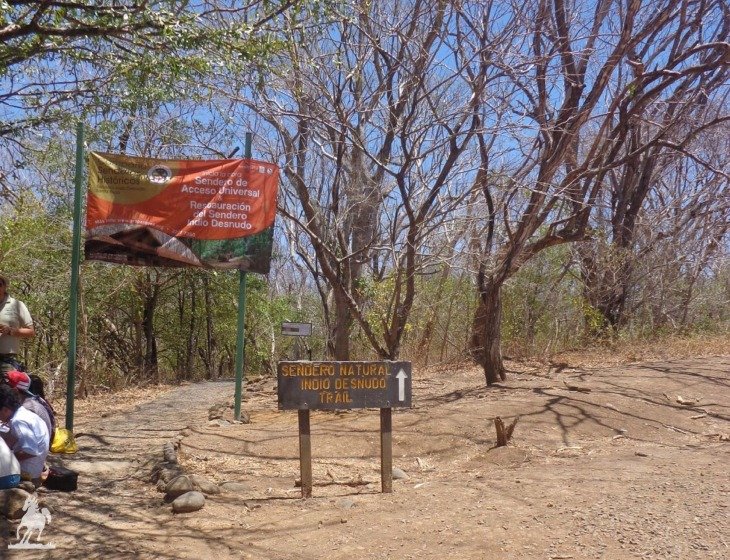
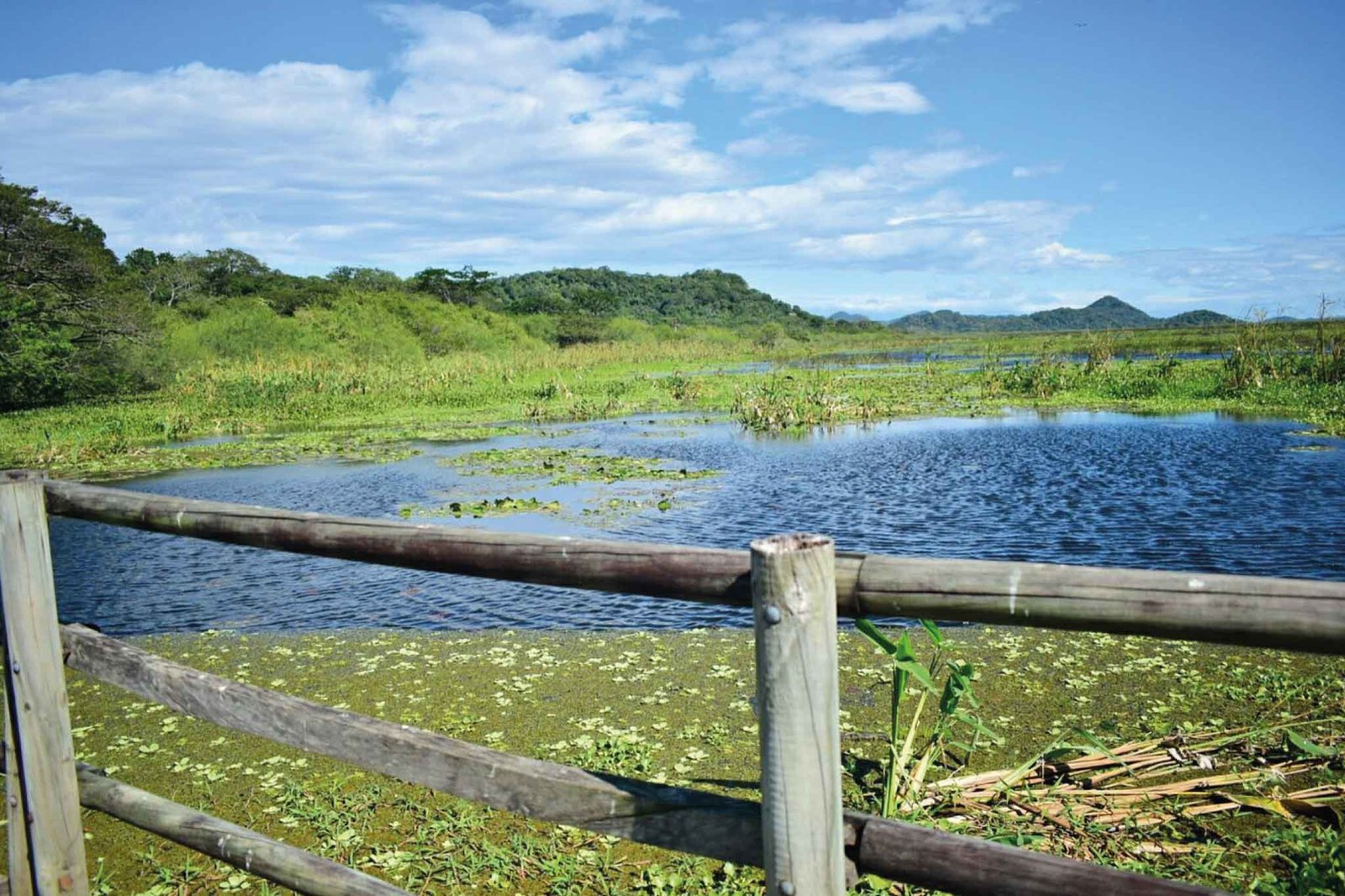
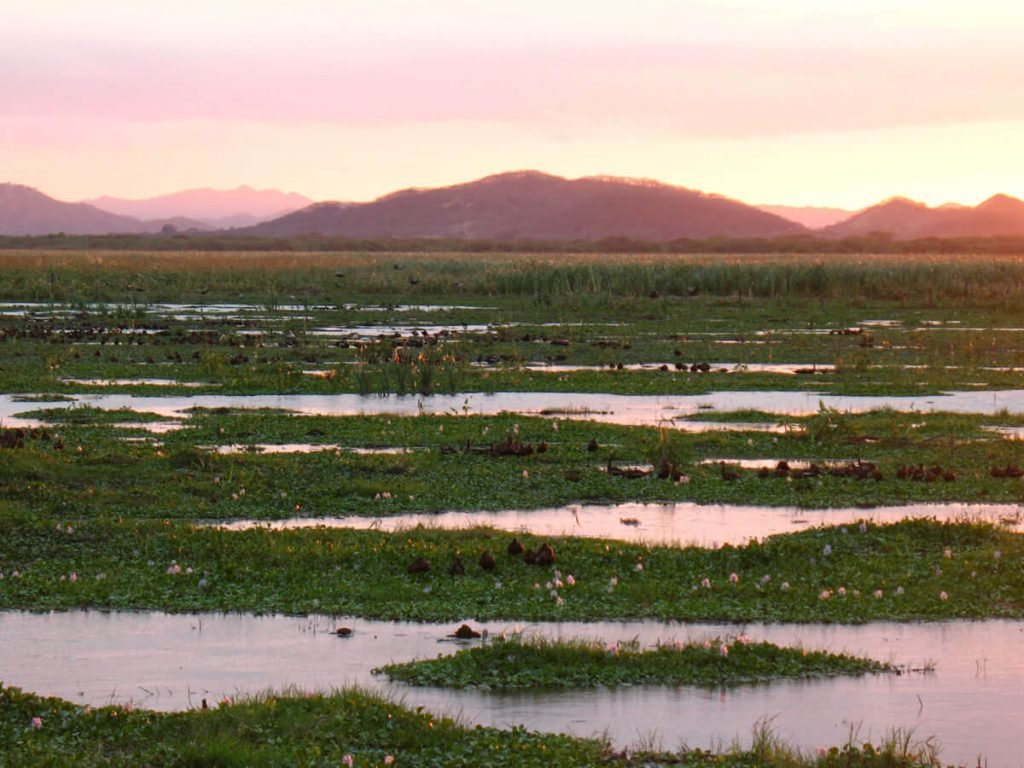
Tropical dry forests are seasonal forests characterized by a prolonged dry season and a distinct rainy period. Trees often shed their leaves during the dry months to conserve water. This habitat supports a unique assemblage of drought-resistant flora and fauna, many of which are endemic to the Pacific lowlands of Costa Rica. The landscape is open, sunlit, and filled with seasonal colors from blooming trees and dry grasses.
Ecosystem classification is a way of organizing the Earth’s living environments into distinct groups based on shared characteristics like climate, vegetation, soils and topography. By grouping similar habitats—say tropical rainforests, mangroves or dry forests—scientists and land managers can compare ecological processes, conservation needs and resource uses more effectively.

Santa Rosa National Park
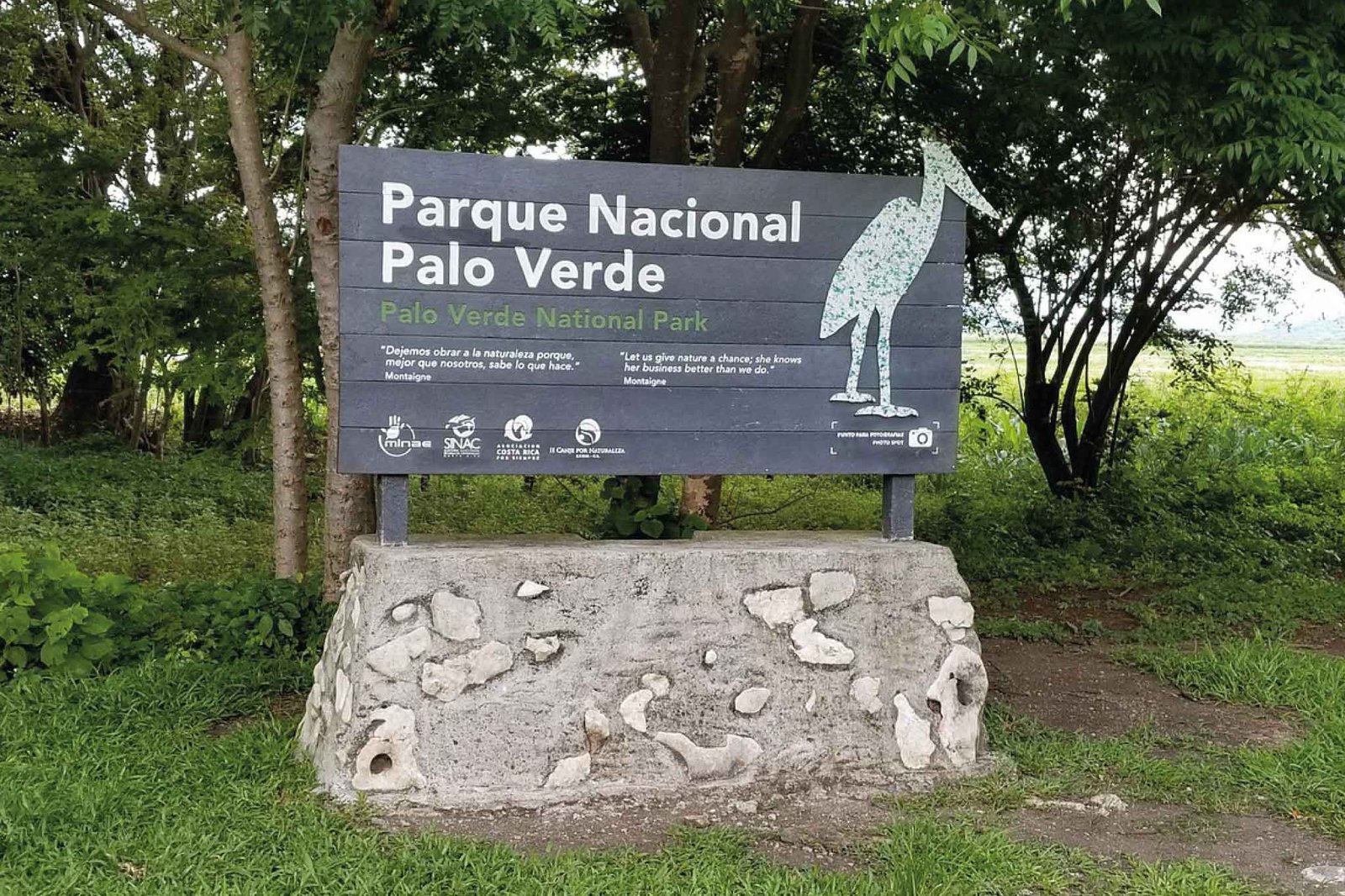
Palo Verde National Park
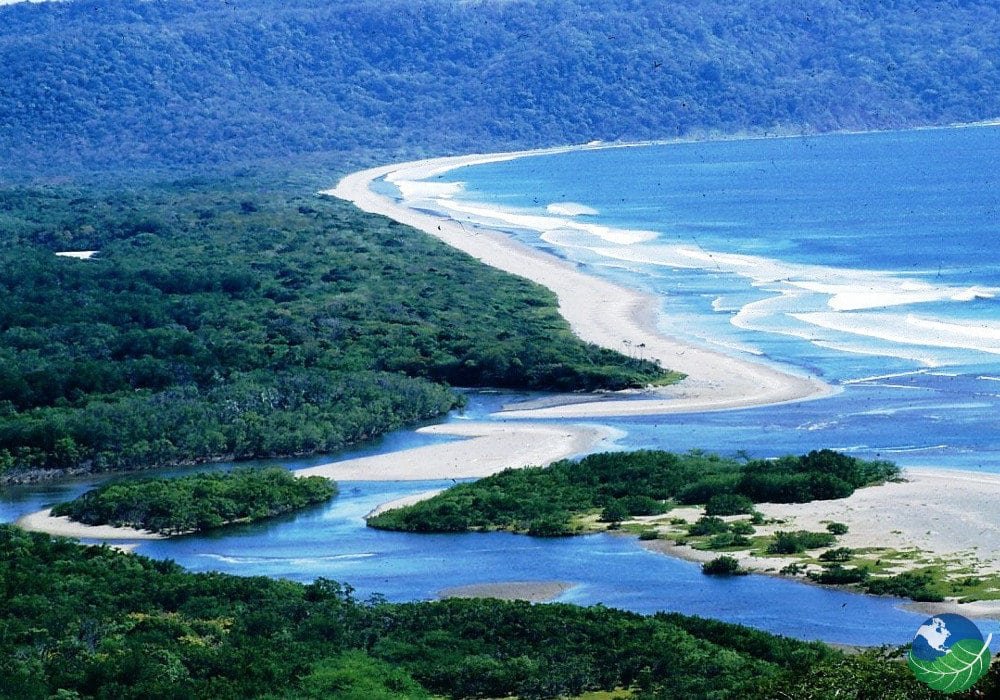
Diría National Park
: Late dry season (March–April) for flowering trees, early wet season for wildlife
Tropical dry forests once covered large parts of Costa Rica’s Pacific coast, but now less than 2% of original cover remains. These forests are critical for watershed regulation and contain many rare and endemic species.
Ecosystem classification is a way of organizing the Earth’s living environments into distinct groups based on shared characteristics like climate, vegetation, soils and topography. By grouping similar habitats—say tropical rainforests, mangroves or dry forests—scientists and land managers can compare ecological processes, conservation needs and resource uses more effectively.