Type of Habitat Ecotone (transitional ecosystem between aquatic and terrestrial systems)
General Description for Riparian Zones
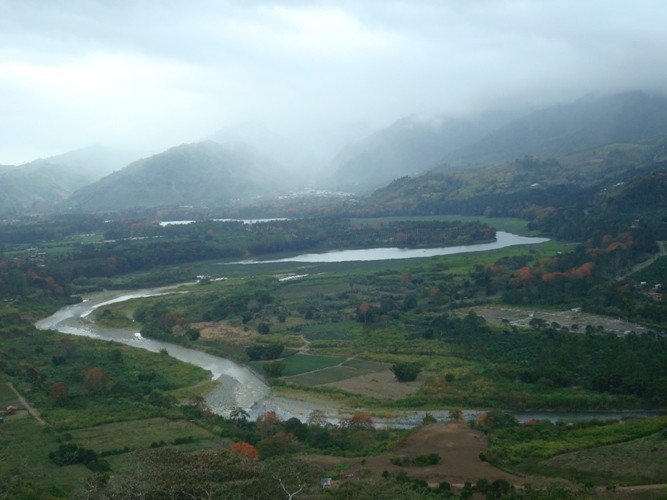
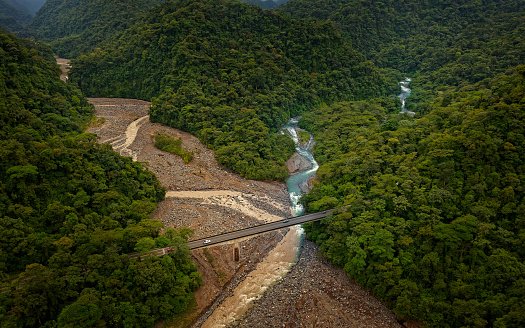
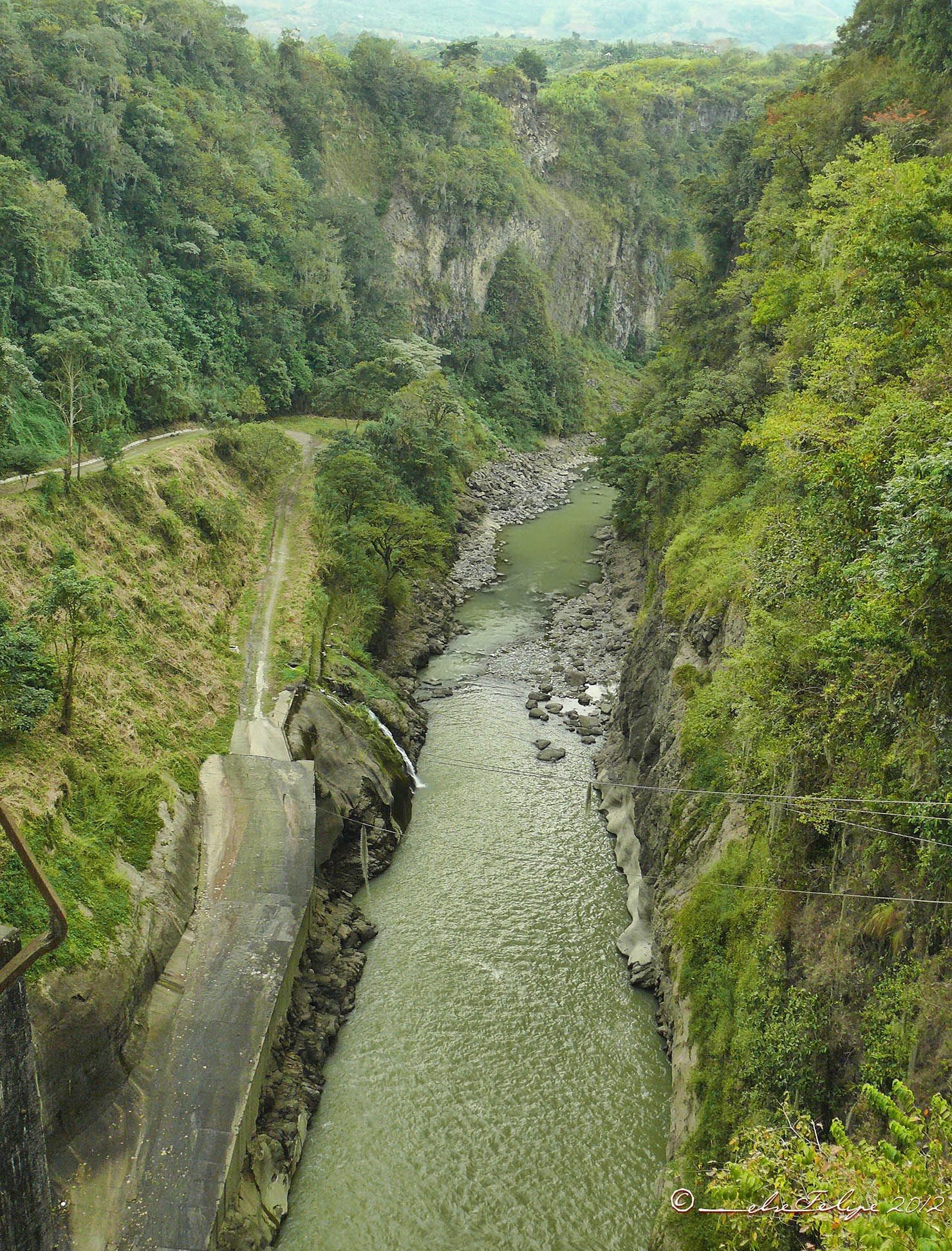
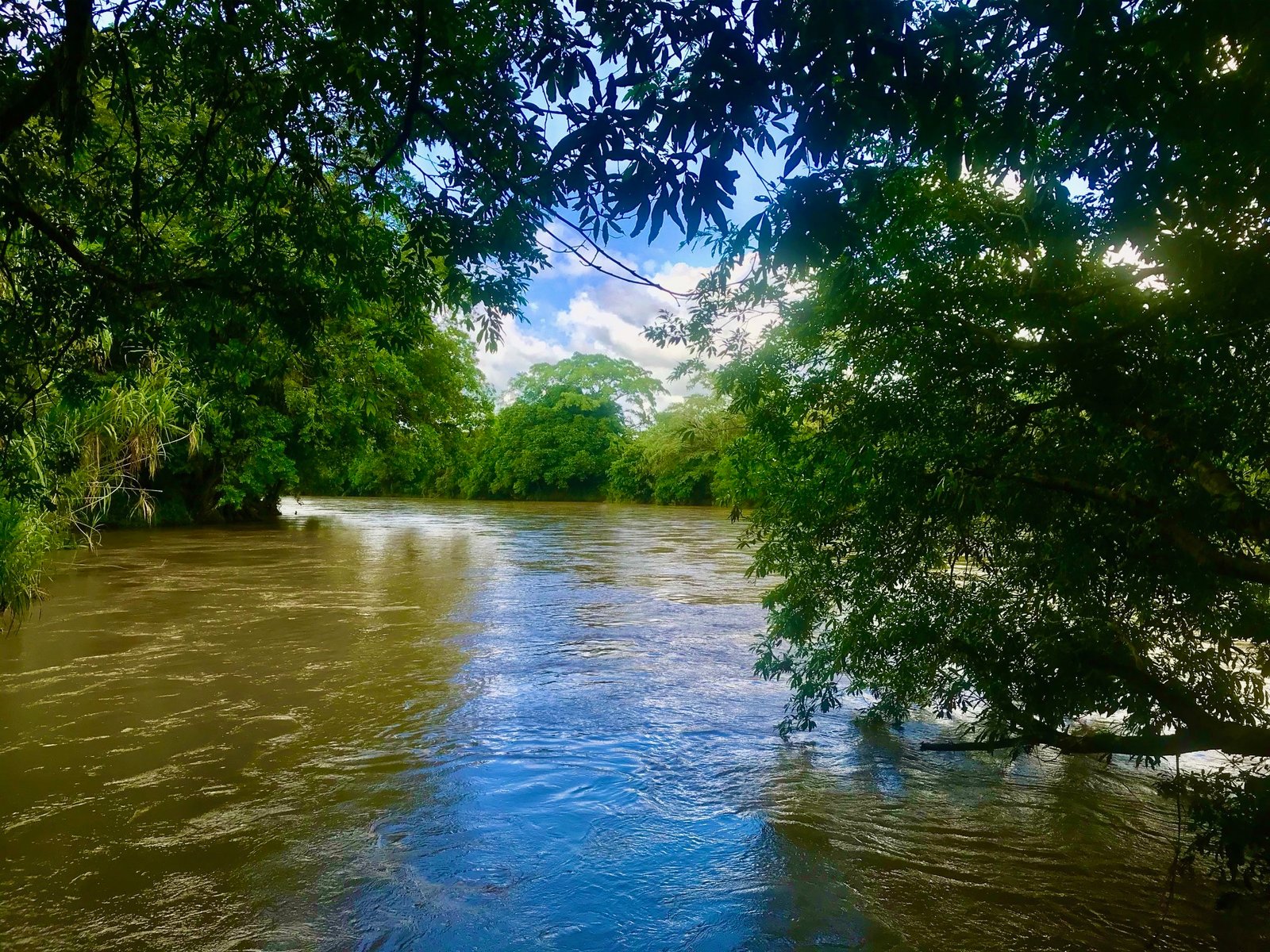
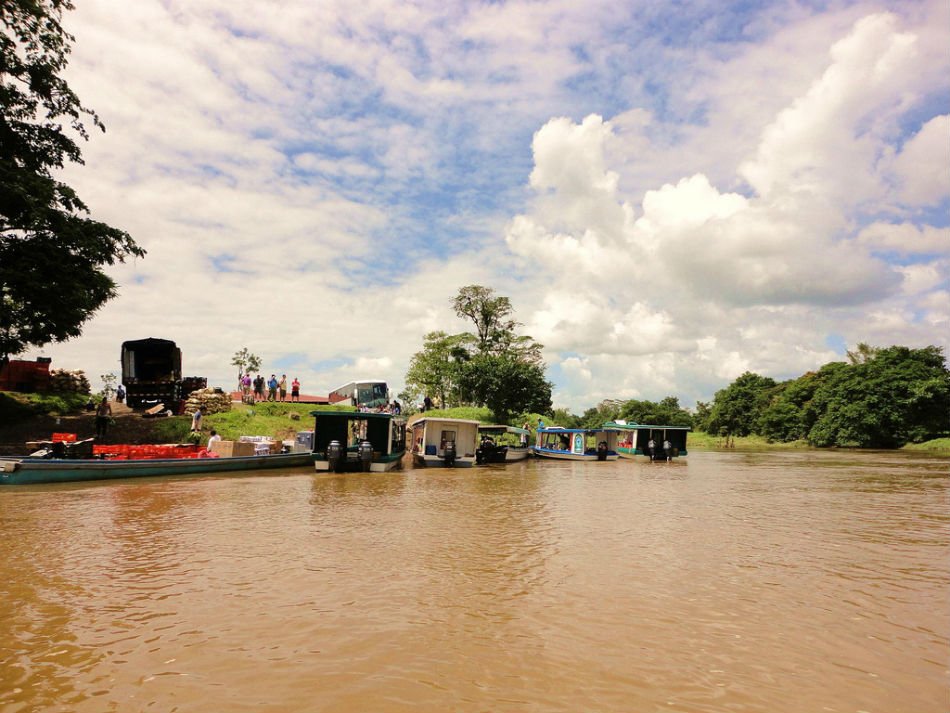
Riparian zones are the vegetated areas adjacent to rivers, streams, and other freshwater bodies. These linear habitats act as ecological buffers, stabilizing riverbanks, filtering runoff, and providing corridors for wildlife movement. In Costa Rica, riparian zones vary by elevation and biome, ranging from dense gallery forests in lowland rainforests to narrow tree-lined strips in dry forests. They are biodiversity hotspots and serve as key refuges during dry seasons and periods of disturbance.
Threats for Riparian Zones
Ecosystem Type
Ecosystem classification is a way of organizing the Earth’s living environments into distinct groups based on shared characteristics like climate, vegetation, soils and topography. By grouping similar habitats—say tropical rainforests, mangroves or dry forests—scientists and land managers can compare ecological processes, conservation needs and resource uses more effectively.
Type: Ecotone (transitional ecosystem between aquatic and terrestrial systems)
Holdridge live zone: Occur across all zones that contain flowing water (tropical wet, dry, premontane, montane)
Avarage Altitude: 0–3,000 meters above sea level
Avarage Climate: Reflects adjacent biome; conditions often more humid and cooler than surrounding terrain
Precipitations: Highly variable (1,200–6,000 mm/year), influenced by both local rainfall and upstream hydrology
Where in Costa Rica can you find Riparian Zones?
📍Reventazón
📍Tempisque
📍Térraba
📍Sarapiquí
📍Savegre
Conservartion areas for Riparian Zones
%nombre_de_la_organzación_o_proyecto%
%nombre_de_la_organzación_o_proyecto%
%nombre_de_la_organzación_o_proyecto%
%nombre_de_la_organzación_o_proyecto%
Threats for Riparian Zones
⚠️Deforestation and clearing for agriculture or cattle grazing
⚠️Agrochemical runoff and water pollution
⚠️Riverbank erosion and sedimentation from development
National Parks and reserves with this habitat
1. Braulio Carrillo National Park
Main Rivers: Río Sucio, Río Hondura, Río Sarapiquí
Riparian Characteristics: Cloud and wet forests lining major rivers; key ecological corridors for species like jaguars and Baird’s tapirs.
2. Corcovado National Park
Main Rivers: Río Claro, Río Sirena, Río Madrigal
Riparian Characteristics: Coastal rivers bordered by primary rainforest; dense wildlife presence including river otters, agoutis, and scarlet macaws.
3. Tortuguero National Park
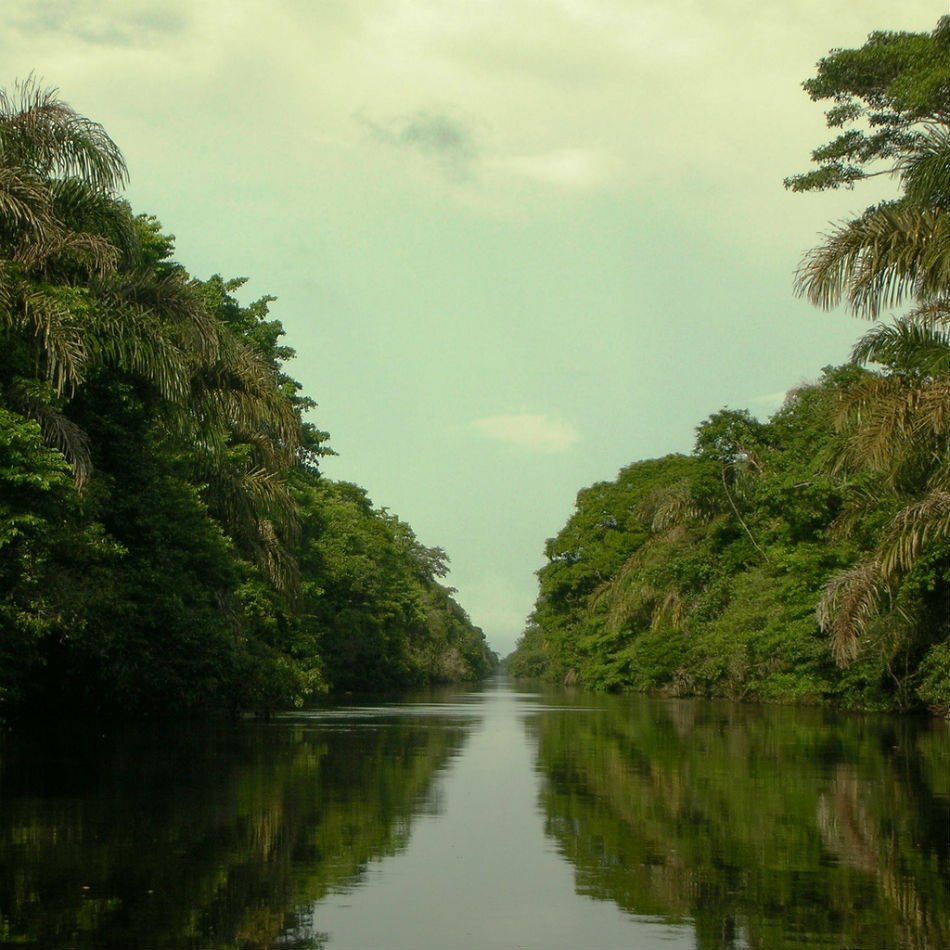
Main Rivers/Channels: Tortuguero River, natural and artificial canals
Riparian Characteristics: Gallery forests along water channels; critical habitat for West Indian manatees and migratory aquatic birds.
4. Tapantí–Macizo de la Muerte National Park
Main Rivers: Río Grande de Orosi, multiple montane streams
Riparian Characteristics: Highland riparian forests with lush vegetation; habitat for amphibians, endemic birds, and water-dependent species.
5. Rincón de la Vieja National Park
Main Rivers: Río Colorado, Río Blanco, Río Pénjamo
Riparian Characteristics: Seasonal and permanent rivers across dry and transitional forest; used by pumas, iguanas, and aquatic birds.
6. Tenorio Volcano National Park
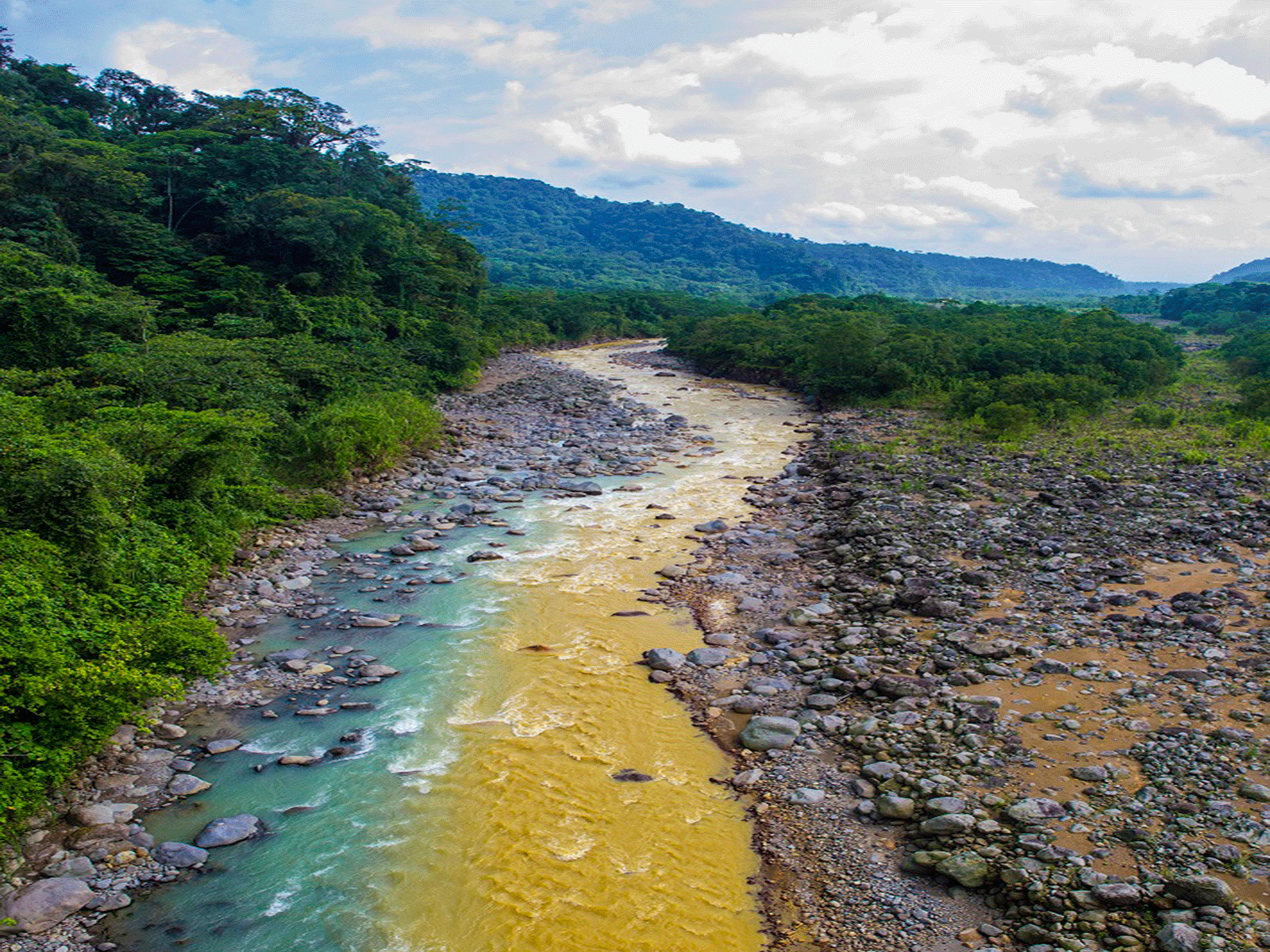
Main Rivers: Río Celeste (formed by Río Buena Vista and Quebrada Agria)
Riparian Characteristics: Moist, scenic riparian ecosystems with rich plant life; home to kingfishers, frogs, and diverse invertebrates.
7. Chirripó National Park
Main Rivers: Río Chirripó Pacífico, Río Talari
Riparian Characteristics: Highland river corridors; essential for altitudinal wildlife migration and rare species such as quetzals and tapirs.
8. Palo Verde National Park
Main River: Río Tempisque and seasonal tributaries
Riparian Characteristics: Dry forest riparian edges and wetland floodplains; critical for waterbird nesting and erosion prevention.
9. La Amistad International Park
Main Rivers: Numerous highland tributaries spanning Costa Rica and Panama
Riparian Characteristics: Vast range of riparian environments; part of a binational biological corridor vital for regional biodiversity.
10. Barra Honda National Park
Main Rivers: Tempisque River (nearby), internal seasonal streams
Riparian Characteristics: Dry forest riverbanks in recovery stages; supports wildlife that rely on scattered water sources.
Additonal Data.
Accesibility: High (often adjacent to public roads, trails, or towns)
Best Season to visitRiparian Zones
Dry season for trail access and wildlife viewing; rainy season for ecological dynamics
Comments and notes
Riparian zones act as natural corridors for species dispersal, connect fragmented habitats, and are essential for ecosystem resilience. They also support ecosystem services like clean water, erosion control, and microclimate regulation in both protected and agricultural landscapes.
Remarcable Fauna in Riparian Zones
No data was found
Remarcable Florga in Riparian Zones
Remarcable Fungi in Riparian Zones
Ecosystem Type
Ecosystem classification is a way of organizing the Earth’s living environments into distinct groups based on shared characteristics like climate, vegetation, soils and topography. By grouping similar habitats—say tropical rainforests, mangroves or dry forests—scientists and land managers can compare ecological processes, conservation needs and resource uses more effectively.
Type: Ecotone (transitional ecosystem between aquatic and terrestrial systems)
Holdridge live zone: Occur across all zones that contain flowing water (tropical wet, dry, premontane, montane)
Avarage Altitude: 0–3,000 meters above sea level
Avarage Climate: Reflects adjacent biome; conditions often more humid and cooler than surrounding terrain