General Description for Peat Bogs and Mountain Wetlands
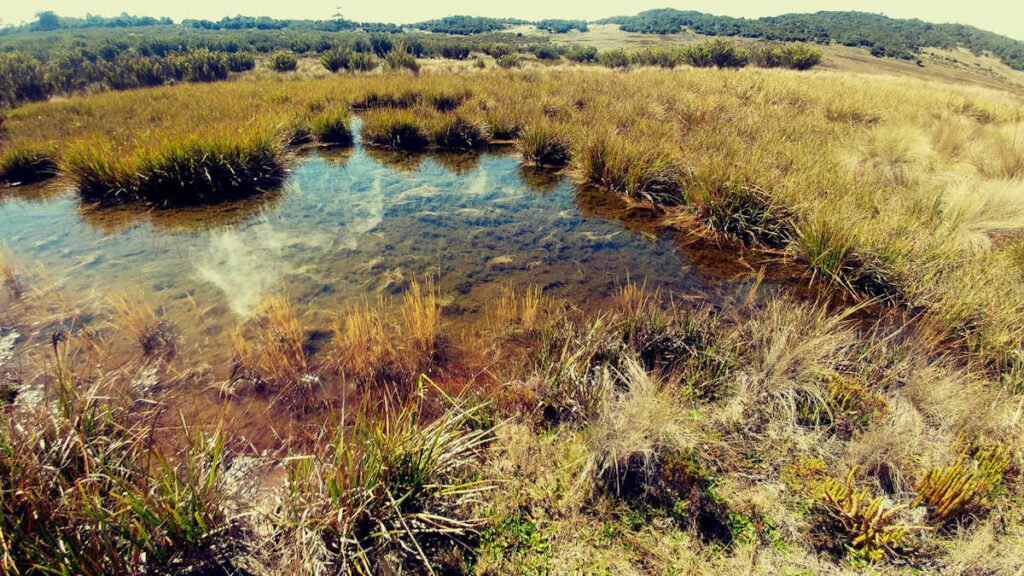
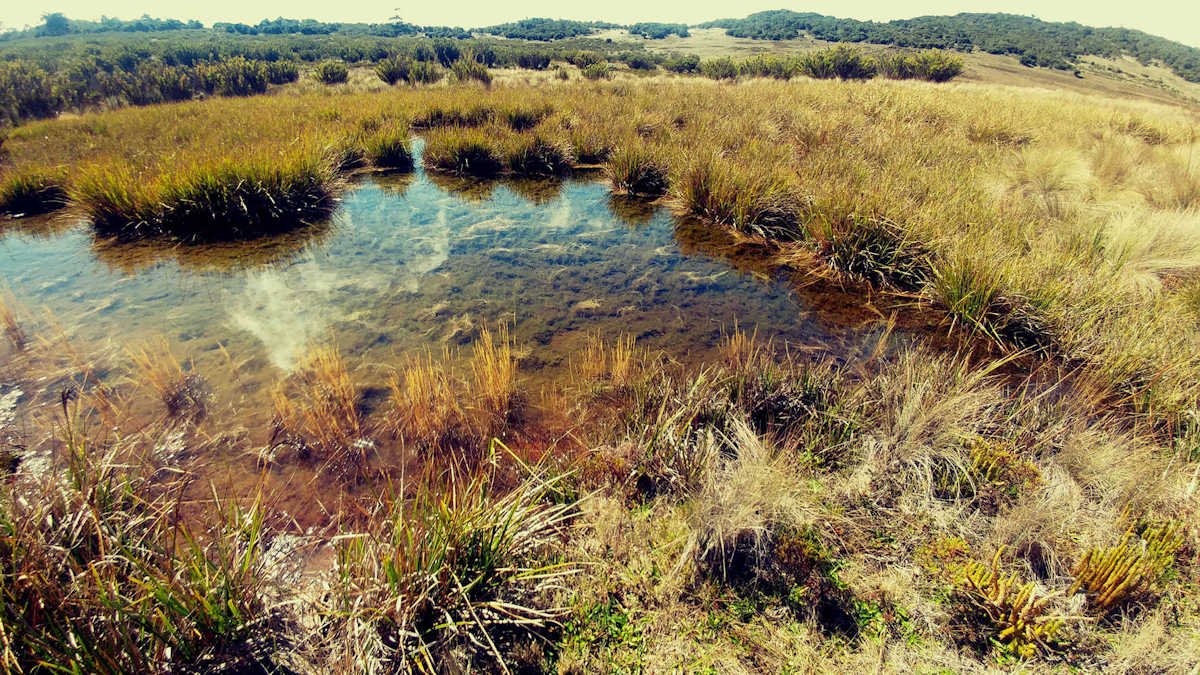
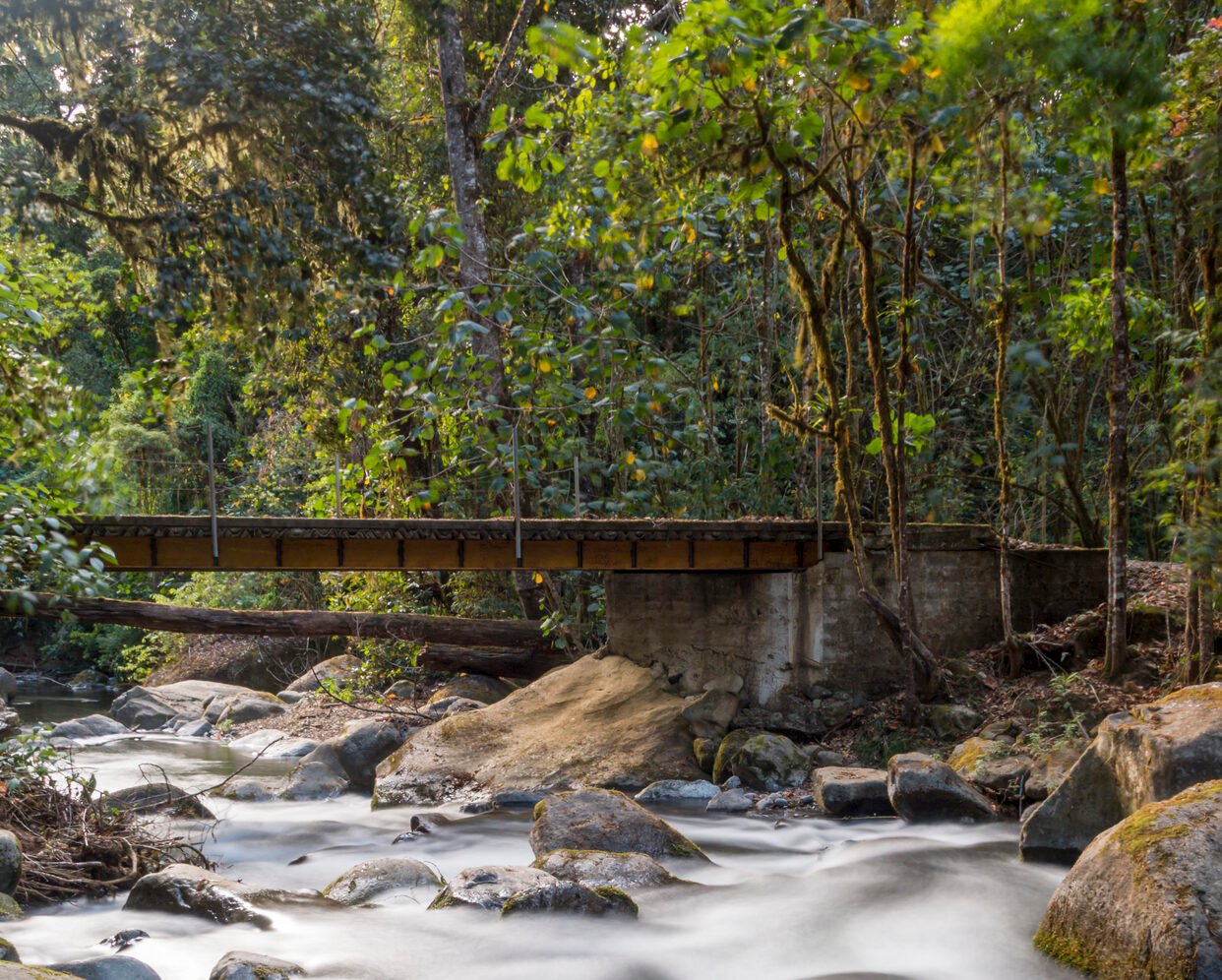
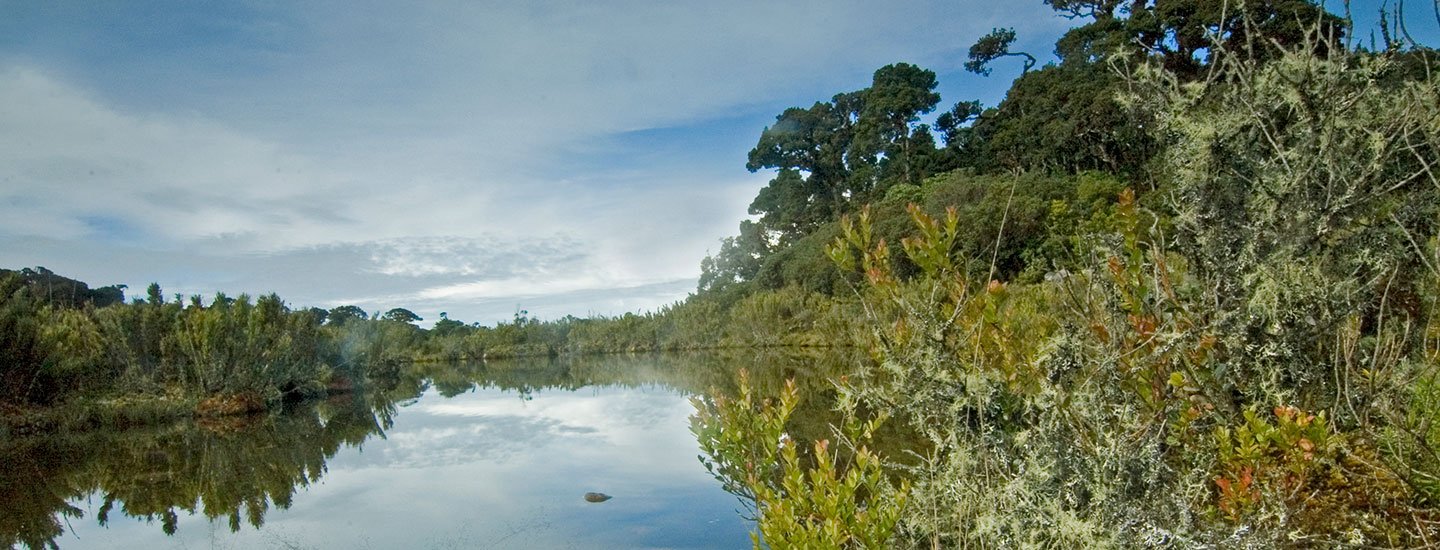
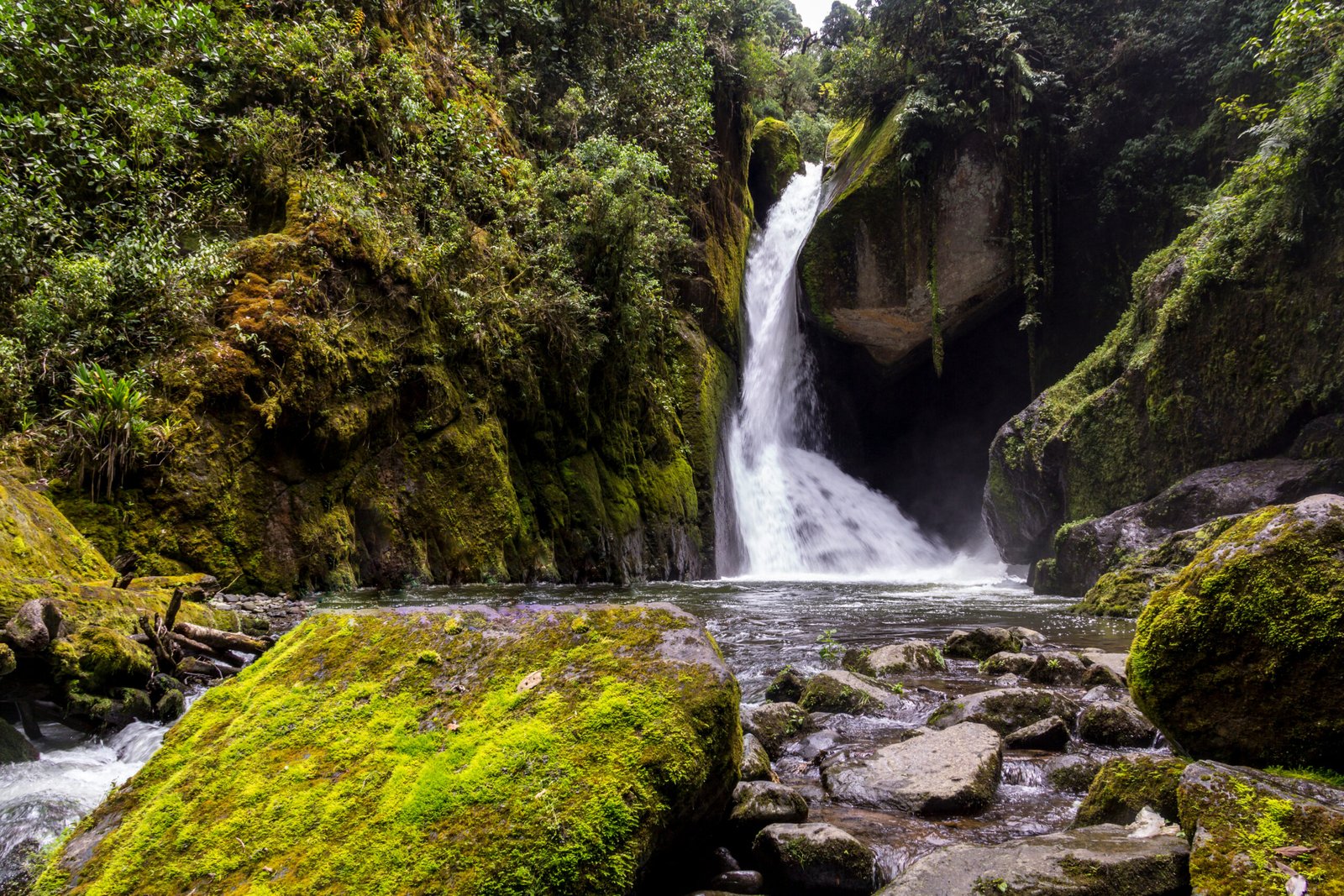
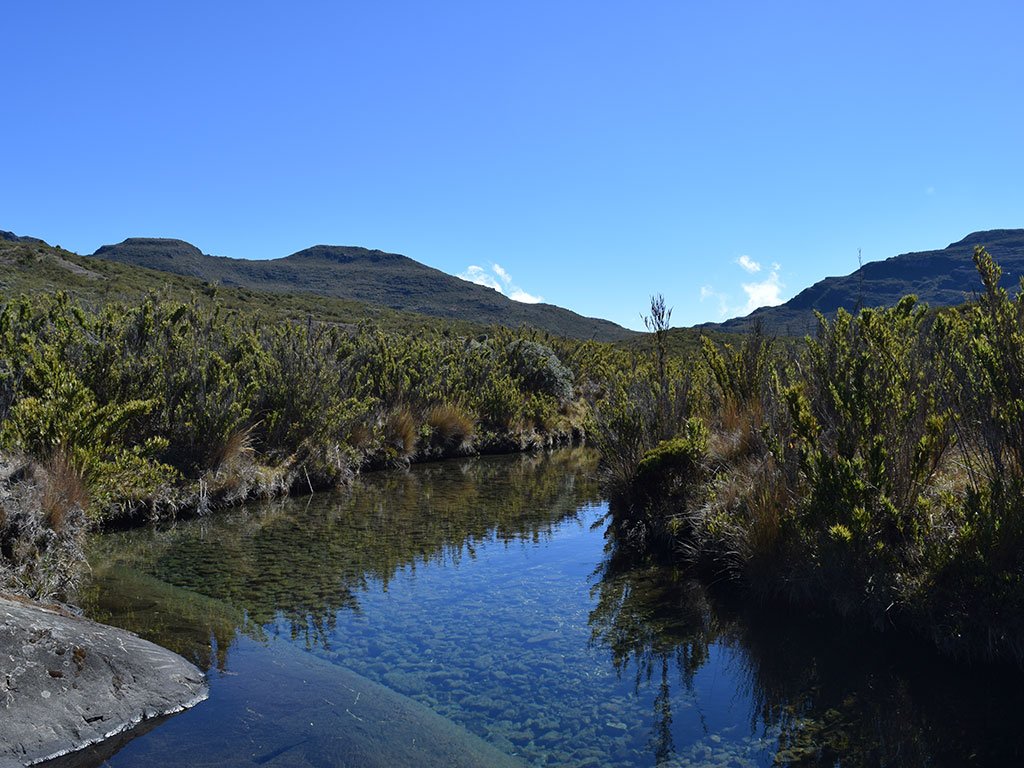
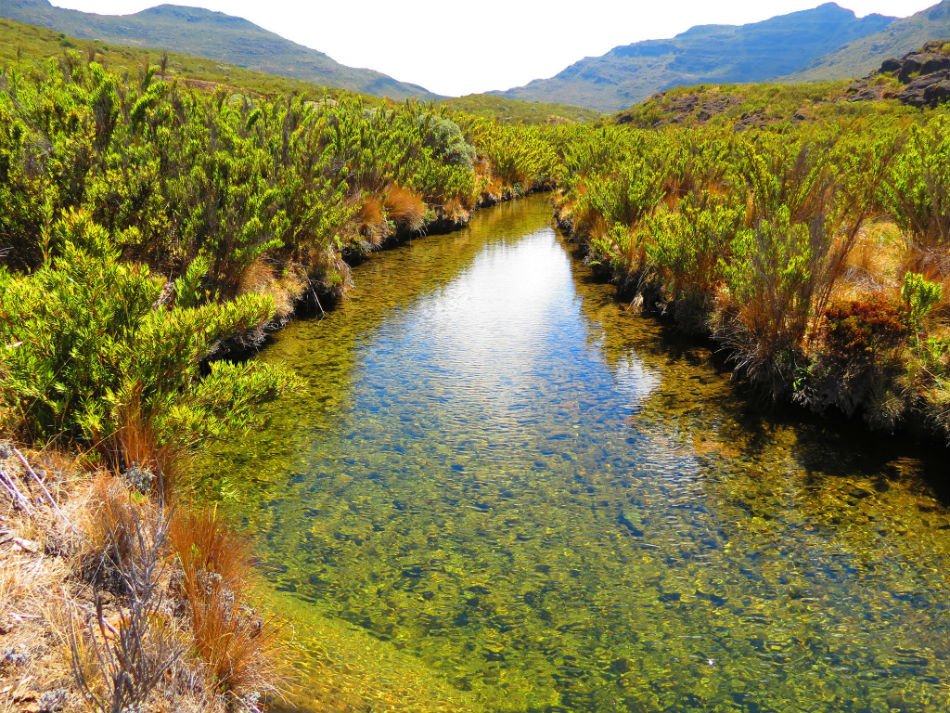
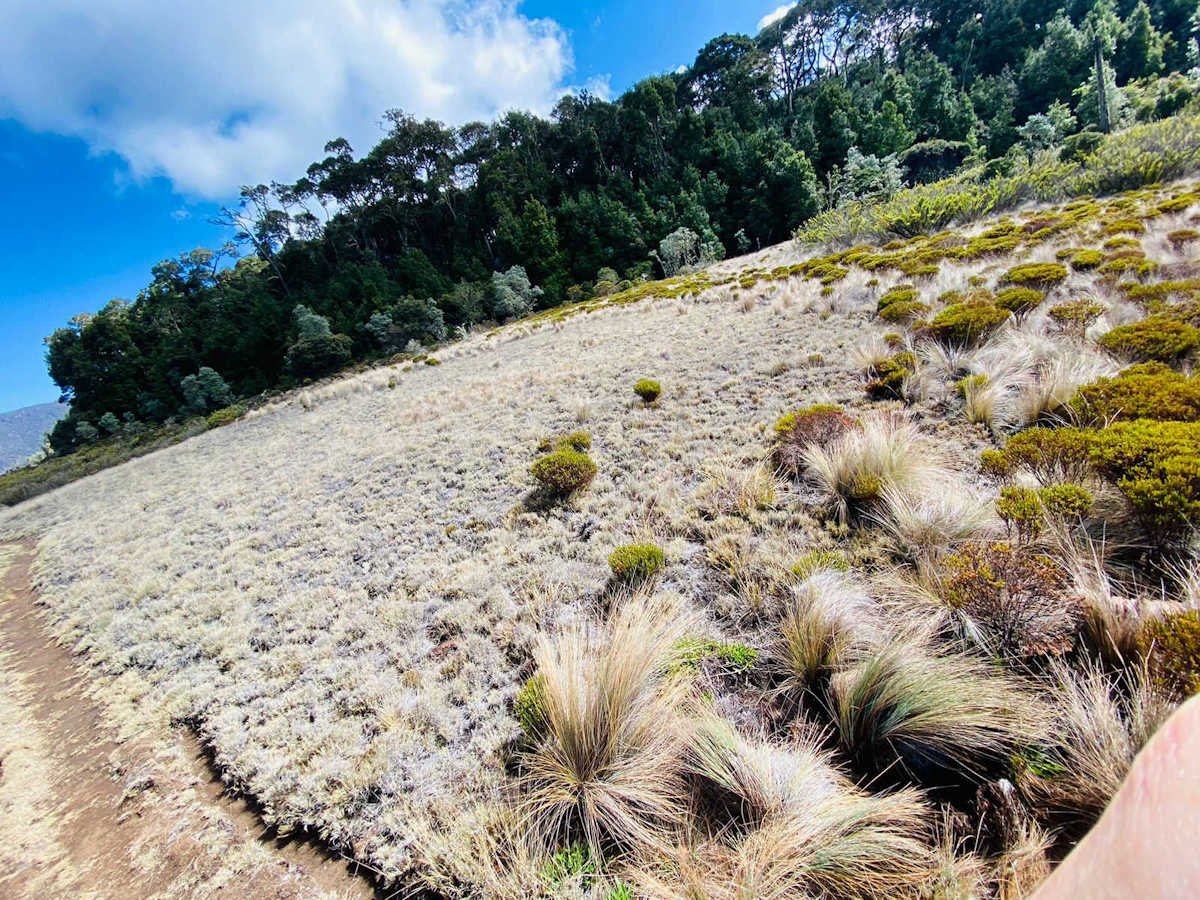
Peat bogs and mountain wetlands are high-elevation ecosystems characterized by waterlogged, acidic soils that accumulate organic matter (peat) due to slow decomposition rates. In Costa Rica, they are found in depressions and valleys in the Talamanca Mountain range. These habitats are dominated by sedges, cushion plants, mosses, and stunted shrubs, and host a highly specialized and often endemic flora and fauna. They play a critical role in water regulation, carbon storage, and climate moderation, acting as natural sponges that slowly release water to lower elevations.
Threats for Peat Bogs and Mountain Wetlands
Ecosystem Type
Ecosystem classification is a way of organizing the Earth’s living environments into distinct groups based on shared characteristics like climate, vegetation, soils and topography. By grouping similar habitats—say tropical rainforests, mangroves or dry forests—scientists and land managers can compare ecological processes, conservation needs and resource uses more effectively.
Type: Alpine freshwater wetland
Holdridge live zone: Subalpine Rain Tundra / Montane Rainforest Ecotone
Avarage Climate: Cold, humid, with frequent cloud cover and fog
Precipitations: 2,500–4,000 mm annually; constant saturation from rainfall and fog condensation
Where in Costa Rica can you find Peat Bogs and Mountain Wetlands?
📍Cerro de la Muerte (Cordillera de Talamanca)
📍Chirripó Massif and valleys
📍El Empalme (transition zone)
📍Valle de los Leones and other highland depressions
Conservartion areas for Peat Bogs and Mountain Wetlands
%nombre_de_la_organzación_o_proyecto%
%nombre_de_la_organzación_o_proyecto%
%nombre_de_la_organzación_o_proyecto%
Threats for Peat Bogs and Mountain Wetlands
⚠️Climate change (increased temperature and evaporation)
⚠️Draining and trampling by cattle (in adjacent lands)
⚠️Fire and encroachment from paramo–forest transitions
National Parks and reserves with this habitat
Los Quetzales National Park
Chirripó National Park
La Amistad International Park
Tapantí–Macizo de la Muerte National Park (fringe zones)
Additonal Data.
Accesibility: Low to moderate (requires multi-day hikes in high elevation terrain)
Best Season to visitPeat Bogs and Mountain Wetlands
March–April (less precipitation and clearer skies); year-round for ecological monitoring
Comments and notes
These peat bogs are natural climate regulators and carbon sinks, storing more carbon per hectare than most forests. Their conservation is critical for hydrological integrity, endemic species survival, and mitigating climate change impacts in highland ecosystems.
Remarcable Fauna in Peat Bogs and Mountain Wetlands
No data was found
Remarcable Florga in Peat Bogs and Mountain Wetlands
Remarcable Fungi in Peat Bogs and Mountain Wetlands
Ecosystem Type
Ecosystem classification is a way of organizing the Earth’s living environments into distinct groups based on shared characteristics like climate, vegetation, soils and topography. By grouping similar habitats—say tropical rainforests, mangroves or dry forests—scientists and land managers can compare ecological processes, conservation needs and resource uses more effectively.
Type: Alpine freshwater wetland
Holdridge live zone: Subalpine Rain Tundra / Montane Rainforest Ecotone